Category: ​​​Interactions Archives​

MPMI InterView with Prof. Adam Bogdanove

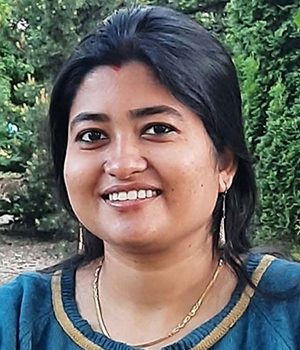
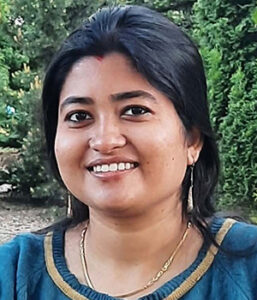
Pritha Kundu​

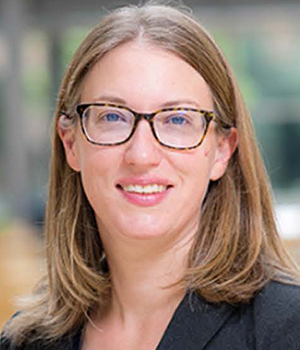
Pritha Kundu is currently a postdoctoral fellow at the University of Nebraska-Lincoln (UNL), USA, with Prof. Joe Louis, investigating the molecular intricacies mediating crop defense
02InterView Kundu photo

physiology against a wide range of pests, with particular interest in the monolignol biosynthetic pathway. She pursued her Ph.D. degree from the Indian Institute for Science, Education and Research (IISER-Kolkata) in wheat fungal pathogenesis, deciphering the phytohormonal crosstalk and the regulatory transcription factors providing resistance. Later, she moved on to study insect calcium signaling and the role of different calcium nucleotide gated channels (CNGCs) and their interaction with the eATP receptor molecule, DORN1 in Arabidopsis–Spodoptera litura herbivory with Dr. Jyothilakshmi Vadassery at the National Institute of Plant Genome Research (NIPGR), New Delhi, India. Her major interest lies in deciphering the key components of the plant defense system that modulates its growth-defense trade off against pests and pathogens.

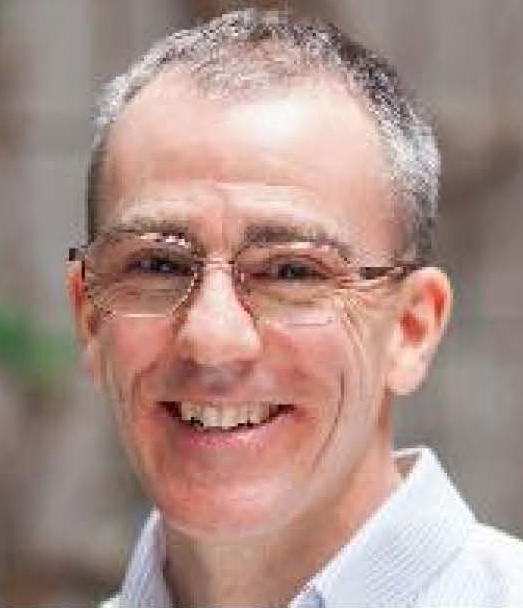
Adam Bogdanove is presently a professor in the Department of Plant Pathology and Plant-Microbe Biology at Cornell University, with a major research focus on understanding the TAL effectors and their targets in diseases of rice and other crop plants caused by Xanthomonas spp. TAL effectors are those transcription factors that are injected by the bacterium into the host cell, which in resistant host varieties target genes that block disease progression. Bogdanove was one of the discoverers of the modular mechanism by which the TAL effectors recognize specific DNA sequences (the others being co-author Matthew Moscou and, in a simultaneous publication, a group led by Jens Boch and Sebastien Schornack in Ulla Bonas’ lab at the time). Bogdanove’s lab also established computational models to identify key TAL effector binding sites in complex plant genomes. With more than 62 publications and 21,000 citations,

02InterView Bogdanove photo (1)

  Bogdanove also helped pioneer the use of TAL effectors as customizable DNA-targeting tools for applications like targeted gene regulation and genome editing.

It was my pleasure to host an interview with Prof. Bogdanove, which is detailed below, and I want to thank MPMI for this exclusive opportunity.

My interest in Prof. Bogdanove’s long journey from Yale to Japan—he was an English instructor there—to Purdue, Iowa, and now Cornell prompted me to ask him whether it was a strategic move or happened one move after another. Bogdanove remembered his years in Japan as very formative, and he decided then to start his work on a long-standing interest in environmental protection and a newfound interest in agriculture and biotechnology and sort of merge the two in the late 1980s. At this inflection point in a field like plant pathology, plant breeding was interested in generating innovations that would ultimately reduce our dependence on agrochemicals. The intensive, but limited, agricultural facilities (limited land), triggered in him the interest to apply for graduate school at Cornell University. When questioned about the struggles of life as a Ph.D. student, he mentioned that his rotation across three amazing labs at Cornell helped him immensely in choosing his Ph.D. lab, which had successfully purified the first microbial elicitor for hypersensitive reaction. He also mentioned that it was quite challenging to raise his three kids during graduate school but that the process was made smooth by his wife. ​He was particularly driven by some exciting ideas for research that kept him moving forward.

When asked about his entry into the field of TAL effectors and being one of the pioneers, he remembered the tremendous influence rice pathologist and friend Jan Leach had, the then recently published fully sequenced rice genome, and his strong interest in studying tissue specificity in plant–pathogen interactions. He decided to study the interactions of rice with the two pathovars (vascular and nonvascular)​ of X. oryzae—pv. oryzae and pv. oryzicola—infecting different plant tissues. His scientific interest revolved around two questions:

  • What determines tissue trophism for bacterial pathogens and plants?
  • Does the plant respond differently to these two pathovars?

He further developed an inoculation method for both pathovars and examined the differences that these pathovars had on reprogramming the plant transcriptome. The challenge was to connect the bacterial effectors to their targets, which led him to study the comparative genomics on the pathogen side and specifically to the detailed study of the largest effector family found in Xanthomonas spp., the AvrBs3/PthA or TAL (transcription activator-like) family. He then moved on to study individual TAL effectors targeting individual host genes, which ultimately led to the mechanism for TAL effector binding specificity. At a later stage, Bogdanove collaborated with Dan Voytas and others to develop TAL effector-based targeted nucleases for genome editing.

Bogdanove also suggested that being mindful and intentional helps in developing a research group with a strong foundation of research interests that keeps you moving. “Science is a social enterprise”; thus, building a strong network to gain information and facilitate collaborations is definitely helpful in the long run. When questioned about the struggles he faced while running his lab, he emphasized the importance of giving the freedom to young enthusiasts to be intellectual drivers who share the same interests and getting the lab funded. “Research can be stressful at times”; thus, he mentioned the acute importance of providing a healthy lab environment. Drive, curiosity, and intellectual leadership are essential components in each member that determine the success of an enterprise. An important challenge he faced was retraction of an article from his group, and he stressed the imperative to correct the literature openly and the importance of eliminating any stigma related to it.

When questioned about the critical factors in running a lab successfully, he emphasized the importance of creating a space in which people feel free to be critical of one another. Valuing one another’s views is another important component that determines team success—the idea that everyone must critically look through the data and then give critical feedback. “There is an increased tendency to get medals for everyone,” which he suggests is a generational issue and that we should be critical of our data and maintain a balance. He also stressed that celebrating lab successes and milestones together help you develop as a group.

When asked about work–life balance, he mentioned that’s been very easy for him. He mentioned his family to be his most important hobby, besides gardening and hiking. He loves to spend quality time with his family. Presently, he is basking in the happiness of having his first 6-week-old grandchild.

When asked about the key advice he has for the scientific community, he suggested that we follow our dreams. To do something that wakes you up in the morning and does not let you sleep at night (“sometimes”). Something that interests you. Science is not a profession to pursue if you have no passion for it. Try to engage with the community and seek out help and be open with the science that you perform. Scientists all over the world are advocating for open science, which is essential for the development of the global scientific community. We are working together in this world to pull each other up, as he mentioned that our mentors and mentees should be our examples. He suggested all early-career researchers be an example for their mentees.

Altogether, it was a wonderful experience to interview Dr. Bogdanove, the new IS-MPMI president and be enlightened by his ideas for working together in a collaborative environment and being open with our science and scientific community as a whole.
 

InterView with Cara Haney

02InterView Sankari photo

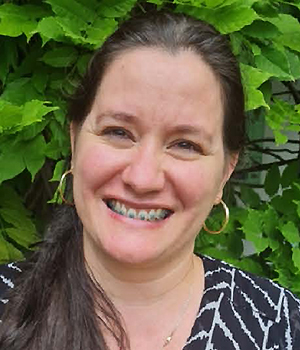
Siva Sankari

Siva Sankari is a new assistant investigator at the Stowers Institute for Medical Research. Her research focuses on understanding the mechanism of action of plant peptides on symbiotic bacteria. She is an assistant feature editor for the MPMI journal.

02InterView Haney photo

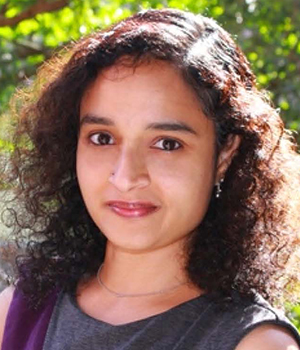
Cara Haney is a recipient of the 2023 IS-MPMI Early Career Achievement Award. Haney is an associate professor at the University of Pittsburgh, PA. After a very successful journey with her lab at the University of British Columbia, she recently moved her lab to Pitt, which is in her hometown. Her lab works on understanding the genetic factors that regulate the functional outcome of plant–microbe interactions.

I was very excited to interview Cara, mainly because I love her research questions. These were questions that I wondered about when I started working with symbiosis. What determines whether a symbiotic microbe will become a pathogen, mutualist, or commensal? How does a host plant distinguish between beneficial and pathogenic bacteria? Being a new PI myself, I was also interested in knowing more about the nitty gritty things one should know as an early-career scientist. Our Zoom call was more like a fireside chat rather than a formal interview. Following are some important excerpts from our chat.

I was very curious about why she was interested in her research questions and what led her to start asking these questions in her lab. Cara said,

I first developed an interest in plant–microbe interactions as an undergraduate. I was a plant science major, and my academic advisor suggested I take Plant Pathology, which included a lab component. Isolating microbes from plant tissues opened up an entire world for me. After working in a plant pathology research lab, I then did my Ph.D. on rhizobia–legume symbiosis. Over time, I became more and more fascinated with the microbes that just were there—not the devastating pathogens and not the closely co-evolved mutualists. I was fixated on the idea that these microbiota might hold some clues to why pathogens are pathogens and how mutualists first evolved. During my postdoc, I wanted to develop a system that would let me start to ask questions about the origins of symbiosis. As a postdoc in Fred Ausubel’s lab, I started working on Arabidopsis–Pseudomonas as a model microbiome system, which became the model system in my own lab. This system has let us answer questions about bacterial lifestyle transitions and how plants distinguish closely related pathogens and mutualists.

I asked her what an early-career scientist should focus on to be successful in their field. She replied,

I don’t think there is just one way to be successful in science, and I think a lot of what academia needs is to rethink and broaden our ideas around metrics of success. I would advise early-career scientists to first and foremost define their own metrics of success, as there are a lot of ways to make meaningful and impactful contributions to science. For me, success is mentoring students and postdocs to reach their self-defined career goals and generating data for field-specific publications that advance scientific knowledge.

When asked what would be her advice for postdocs in particular, Cara replied,

It’s essential to find a supervisor who is supportive of your personal career goals and who will be a champion for you. I also think postdoctoral positions should be targeted training for a specific end goal; many jobs don’t require a postdoc, or just require a short postdoc, and so I always ask trainees what they want out of their training. Finally, I also think many postdocs with goals of securing a faculty position spend too much time in pursuit of a single high-impact paper and forego developing the depth of an independent research program. I think the latter is much more important for long-term success in academia.

There are numerous commitments that come with being a faculty member, especially in the first few years of starting a lab. I asked how she does it all! She said,

An amazing thing about running a research lab is that you’re now not alone in answering questions that are of interest to you. But at the same time, it means a lot of people are depending on you to advance their career and research goals. l try and prioritize the things that are rate limiting for people in my lab—whether it is discussing an experiment, sending an email to connect them to a key resource, or editing a manuscript draft. I’m also not someone who is willing to work around the clock, so I allot specific amounts of time for tasks and do what I can in the time I have to give. Sometimes the result is not to the standard I wish it was, but I have learned to accept ‘good enough’ in many areas of my job. Finally, I’ve learned to say no. I recently got advice that for everything I say yes to, I need to drop something else. That has been helpful in making sure I can reserve time for the parts of my job I really enjoy, like the science itself and mentorship.

When asked if she faces any additional challenges being a woman in science, Cara replied very calmly,

I have certainly experienced challenges ranging from tokenism to overt sexism. This sometimes results in the rather contradictory internal narrative where I simultaneously feel like I need to be better than my male counterparts to be taken seriously, and at the same time like I’ve only gotten to where I am because of my gender. Now ,I prioritize academic spaces, interactions, and collaborations where I feel valued for what I bring. And times where I feel I’m being included just because I’m a woman, I remind myself that it doesn’t mean I don’t belong.

I thoroughly enjoyed this interview. I have followed Cara’s scientific work, yet it was a delight to know her as a person. This interview also led to me borrowing some bacterial strains from Cara, which she happily shared. I hope early-career readers take home a few key points from this interview.​

MPMI InterView with Xiufang Xin

02InterView Mena photo

Eilyn Mena

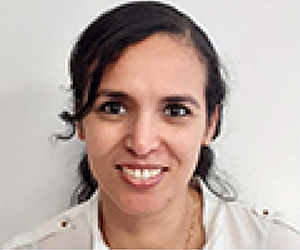
Eilyn Mena is a scientist at the Clemente Estable Biological Research Institute of Montevideo, Uruguay, where she has worked for the past seven years. Her main research is focused on Diaporthe–soybean interactions and the identification of genes involved in fungal pathogenicity and plant defense. Eilyn was the recipient of a Ko Shimamoto Travel Award to attend the 2023 IS-MPMI Congress.

02InterView Xin photo

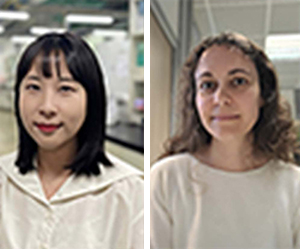
Xiufang Xin received the 2023 IS-MPMI Early Career Achievement Award at the IS-MPMI Congress in Providence, RI. She leads a research group in the Center for Excellence in Molecular Plant Sciences/Institute of Plant Physiology and Ecology.

It’s a pleasure to me to have been selected for the interview with her. I listened to her talks at the 2023 IS-MPMI Congress: “Environmental Impacts on Plant–Microbe Interactions” and “Understanding Plant–Pathogen Environment Interactions.” I really liked her talks even though I don’t work with environmental factors in the Diaporthe–soybean pathosystem. Regarding her scientific work and experience in the plant–pathogen interactions field, I asked her some questions.

For Xiufang it’s definitely a great honor to have received the IS-MPMI Early Career Achievement Award in recognition of her academic career. About the award, she said, “There are many great and young scientists in the field, and I feel lucky to receive the award.”

Question: Can you provide an overview of your research and your specific focus within the field of plant–pathogen interactions?

Xiufang Xin: We try to understand the mechanisms underlying the interplay between plant, pathogen, and environmental factors. More specifically, we study the plant immune system, particularly the interplay between PTI and ETI, and how high air humidity affects plant immunity and pathogen virulence to promote plant disease. We also have projects investigating the regulation of plant leaf microbiota.

Question: How do you approach disease resistance in plants, and what strategies do you use to develop resistant crop varieties?

Xiufang Xin: By studying PTI-ETI interplay, we hope to offer new ways of strengthening disease resistance in plants. In addition, our study shows that high air humidity suppresses plant immune pathways. By understanding the specific plant elements/modules and humidity affects, we hope to develop plants that are resistant to the influence of high humidity and, therefore, retain immunity vigor under high humidity.

Question: What challenges do you encounter in your research, and how do you work to overcome them?

Xiufang Xin: I think for areas that many people are working on, like plant immunity, there is potential competition. Collaborating with people is always better, and finding unique angles/directions of research is also important. For air humidity-related projects, one challenge is that there is little information, since not much work has been done previously. It’s good that people are becoming more interested and more labs are starting to work on related topics. I think the progress in this field will be faster.

Question: I work in plant–pathogen interactions with Diaporthe species in soybean. I want to understand both the pathogen virulence and plant immunity. For these, I sequenced the genome of the fungus, and I analyzed the transcriptome of the fungus and plant at 8- and 48-h postinoculation with respect to control. Now, I believe that other work is necessary to determine the function of the genes and to be able to have an approach to the molecular mechanisms. What do you recommend to me?

Xiufang Xin: I do not have much background information on your project. From your description, I think you need to obtain a list of fungal and plant genes, based on transcriptome analysis, that you want to work on further. One approach is to generate the fungal/soybean mutants and determine which mutants have infection- or disease-related phenotypes. Then, you may narrow the list down to one or several genes and determine how they function, e.g., by investigating their regulatory mechanisms on transcription, protein stability, protein modification, or others.

Question: What do you think about the future of immunity in plants induced by effectors?

Xiufang Xin: I’m guessing that you are talking about ETI. There have been many breakthroughs on ETI and NLR activity in recent years. It’s one of the fastest evolving fields in MPMI. I feel it’s an exciting time and anticipate there will be many advances in the future.

Throughout her career, Xiufang received her bachelor’s degree in biology at China Agricultural University, after which she has developed studies in the United States and China. She is an example for me because I’m from Cuba, where I received my bachelor’s and master’s degrees. I have been living in Uruguay since 2016, and I finished my Ph.D. study at Clemente Estable Biological Research Institute. Now, I’m looking for a postdoc position, and I talked about these challenges with Xiufang and asked her for career advice based on her experience. I want to share with you two of the answers to questions that may be useful for other young researchers like me.

Question: Should I change my research subject or move to another country?

Xiufang Xin: The most important thing is probably finding a research project/direction in which you are interested. If you want to pursue an academic career afterward, finding a supportive mentor is also important. There are always many other factors to consider: for example, location, living expenses, and family. It’s up to you which factors are most important to consider. I would encourage contacting PIs as early as possible, and after going through the process (emails, interviews, negotiations, etc.), you will know where you want to go.

Question: Do you have any advice for early-career researchers?

Xiufang Xin: Try to identify important, and ideally new, scientific questions. If possible, do something different (this is the advice my previous mentor Dr. Sheng Yang gave to me, which I think is quite important, especially for early-career researchers).​

Help Promote the Science of MPMI Journal!

MPMI 2021Cover

Molecular Plant-Microbe Interactions is seeking postdoctoral volunteers to fill “assistant feature editor” positions for a duration of two years. The application submission deadline is February 14, 2024.

MPMI is looking for creative, innovative communicators who are eager to volunteer their time to engage with both the scientific and nonscientific communities in accessible ways. As an assistant feature editor, you will be part of a journal editorial team, see the inner workings of the MPMI journal, develop a unique science communication project highlighting your talents, and interact with the diverse MPMI scientific community.

These positions, suitable for highly engaged postdoctoral fellows who would like to gain experience and behind-the-scenes knowledge of publishing in MPMI, involve development of multimedia (written, audio, video, etc.) communications within your areas of interest and mentorship in areas outside of your current lab environment. We anticipate a commitment of approximately 10–15 h/month, realizing that there will be some variability each month depending on the projects the assistant feature editor chooses.

MPMI values the diversity of our community and is seeking assistant feature editors who will contribute to equity and inclusion through their projects. A key role of assistant feature editors is amplifying the impact of our research publications through multimedia content creation, targeting different audiences in an inclusive way.

Assistant feature editors create their own niche based on their interests, skills, and ideas in diverse areas of nonscientific and scientific community engagement, including, but not limited to

  • ​Writing online research summaries
  • Highlighting articles on X (formerly Twitter) or other social media platforms
  • Interviewing authors and working with our staff amplification specialist to write news stories and press releases for a nonscientific audience
  • Writing MPMI commentaries highlighting articles published in MPMI
  • Being mentored by MPMI senior editors in manuscript review

New assistant feature editors will likely contribute to current projects and tasks but are also encouraged to suggest and initiate novel ways to promote MPMI and its content.

Assistant feature editors work closely with the editor-in-chief and associate editor-in-chief, as well as with other senior editors and members of the journal marketing staff. These interactions, as well as interactions with authors and the greater community, provide additional opportunities for networking with scientists beyond the connections formed based on their research.

To apply, provide the following to MPMI Editor-in-Chief Tim Friesen:

  • One-page cover letter outlining your research focus area and current position; expertise; and interest in this position, including the following areas as applicable to you:
    • Experience with social media, writing, and other forms of communication
    • Experience working to promote diversity, equity, and inclusion within or outside the scientific community
    • Engagement with aspects of science beyond your own research
    • Participation in, or leadership of, communication projects for a nonscientific audience (describe the target audience and strategy for engagement)
  • ​Current CV
  • Contact details for two professional references
  • A short, nontechnical communication sample based on any recent publication from the MPMI journal

Applications are due by February 14, 2024, and will be reviewed on a rolling basis until all positions are filled. Apply today!

MPMI InterView with Prof. Adam Bogdanove

02InterView Kundu photo

Pritha Kundu​

Pritha Kundu is currently a postdoctoral fellow at the University of Nebraska-Lincoln (UNL), USA, with Prof. Joe Louis, investigating the molecular intricacies mediating crop defense physiology against a wide range of pests, with particular interest in the monolignol biosynthetic pathway. She pursued her Ph.D. degree from the Indian Institute for Science, Education and Research (IISER-Kolkata) in wheat fungal pathogenesis, deciphering the phytohormonal crosstalk and the regulatory transcription factors providing resistance. Later, she moved on to study insect calcium signaling and the role of different calcium nucleotide gated channels (CNGCs) and their interaction with the eATP receptor molecule, DORN1 in Arabidopsis–Spodoptera litura herbivory with Dr. Jyothilakshmi Vadassery at the National Institute of Plant Genome Research (NIPGR), New Delhi, India. Her major interest lies in deciphering the key components of the plant defense system that modulates its growth-defense trade off against pests and pathogens.

02InterView Bogdanove photo

Adam Bogdanove is presently a professor in the Department of Plant Pathology and Plant-Microbe Biology at Cornell University, with a major research focus on understanding the TAL effectors and their targets in diseases of rice and other crop plants caused by Xanthomonas spp. TAL effectors are those transcription factors that are injected by the bacterium into the host cell, which in resistant host varieties target genes that block disease progression. Bogdanove was one of the discoverers of the modular mechanism by which the TAL effectors recognize specific DNA sequences (the others being co-author Matthew Moscou and, in a simultaneous publication, a group led by Jens Boch and Sebastien Schornack in Ulla Bonas’ lab at the time). Bogdanove’s lab also established computational models to identify key TAL effector binding sites in complex plant genomes. With more than 62 publications and 21,000 citations, Bogdanove also helped pioneer the use of TAL effectors as customizable DNA-targeting tools for applications like targeted gene regulation and genome editing.

It was my pleasure to host an interview with Prof. Bogdanove, which is detailed below, and I want to thank MPMI for this exclusive opportunity.

My interest in Prof. Bogdanove’s long journey from Yale to Japan—he was an English instructor there—to Purdue, Iowa, and now Cornell prompted me to ask him whether it was a strategic move or happened one move after another. Bogdanove remembered his years in Japan as very formative, and he decided then to start his work on a long-standing interest in environmental protection and a newfound interest in agriculture and biotechnology and sort of merge the two in the late 1980s. At this inflection point in a field like plant pathology, plant breeding was interested in generating innovations that would ultimately reduce our dependence on agrochemicals. The intensive, but limited, agricultural facilities (limited land), triggered in him the interest to apply for graduate school at Cornell University. When questioned about the struggles of life as a Ph.D. student, he mentioned that his rotation across three amazing labs at Cornell helped him immensely in choosing his Ph.D. lab, which had successfully purified the first microbial elicitor for hypersensitive reaction. He also mentioned that it was quite challenging to raise his three kids during graduate school but that the process was made smooth by his wife. ​He was particularly driven by some exciting ideas for research that kept him moving forward.

When asked about his entry into the field of TAL effectors and being one of the pioneers, he remembered the tremendous influence rice pathologist and friend Jan Leach had, the then recently published fully sequenced rice genome, and his strong interest in studying tissue specificity in plant–pathogen interactions. He decided to study the interactions of rice with the two pathovars (vascular and nonvascular)​ of X. oryzae—pv. oryzae and pv. oryzicola—infecting different plant tissues. His scientific interest revolved around two questions:

  • What determines tissue trophism for bacterial pathogens and plants?
  • Does the plant respond differently to these two pathovars?

He further developed an inoculation method for both pathovars and examined the differences that these pathovars had on reprogramming the plant transcriptome. The challenge was to connect the bacterial effectors to their targets, which led him to study the comparative genomics on the pathogen side and specifically to the detailed study of the largest effector family found in Xanthomonas spp., the AvrBs3/PthA or TAL (transcription activator-like) family. He then moved on to study individual TAL effectors targeting individual host genes, which ultimately led to the mechanism for TAL effector binding specificity. At a later stage, Bogdanove collaborated with Dan Voytas and others to develop TAL effector-based targeted nucleases for genome editing.

Bogdanove also suggested that being mindful and intentional helps in developing a research group with a strong foundation of research interests that keeps you moving. “Science is a social enterprise”; thus, building a strong network to gain information and facilitate collaborations is definitely helpful in the long run. When questioned about the struggles he faced while running his lab, he emphasized the importance of giving the freedom to young enthusiasts to be intellectual drivers who share the same interests and getting the lab funded. “Research can be stressful at times”; thus, he mentioned the acute importance of providing a healthy lab environment. Drive, curiosity, and intellectual leadership are essential components in each member that determine the success of an enterprise. An important challenge he faced was retraction of an article from his group, and he stressed the imperative to correct the literature openly and the importance of eliminating any stigma related to it.

When questioned about the critical factors in running a lab successfully, he emphasized the importance of creating a space in which people feel free to be critical of one another. Valuing one another’s views is another important component that determines team success—the idea that everyone must critically look through the data and then give critical feedback. “There is an increased tendency to get medals for everyone,” which he suggests is a generational issue and that we should be critical of our data and maintain a balance. He also stressed that celebrating lab successes and milestones together help you develop as a group.

When asked about work–life balance, he mentioned that’s been very easy for him. He mentioned his family to be his most important hobby, besides gardening and hiking. He loves to spend quality time with his family. Presently, he is basking in the happiness of having his first 6-week-old grandchild.

When asked about the key advice he has for the scientific community, he suggested that we follow our dreams. To do something that wakes you up in the morning and does not let you sleep at night (“sometimes”). Something that interests you. Science is not a profession to pursue if you have no passion for it. Try to engage with the community and seek out help and be open with the science that you perform. Scientists all over the world are advocating for open science, which is essential for the development of the global scientific community. We are working together in this world to pull each other up, as he mentioned that our mentors and mentees should be our examples. He suggested all early-career researchers be an example for their mentees.

Altogether, it was a wonderful experience to interview Dr. Bogdanove, the new IS-MPMI president and be enlightened by his ideas for working together in a collaborative environment and being open with our science and scientific community as a whole.
Help Promote the Science of MPMI Journal!

Molecular Plant-Microbe Interactions is seeking postdoctoral volunteers to fill “assistant feature editor” positions for a duration of two years. The application submission deadline is February   14, 2024.

MPMI 2021Cover

MPMI is looking for creative, innovative communicators who are eager to volunteer their time to engage with both the scientific and nonscientific communities in accessible ways. As an assistant feature editor, you will be part of a journal editorial team, see the inner workings of the MPMI journal, develop a unique science communication project highlighting your talents, and interact with the diverse MPMI scientific community.

These positions, suitable for highly engaged postdoctoral fellows who would like to gain experience and behind-the-scenes knowledge of publishing in MPMI, involve development of multimedia (written, audio, video, etc.) communications within your areas of interest and mentorship in areas outside of your current lab environment. We anticipate a commitment of approximately 10–15 h/month, realizing that there will be some variability each month depending on the projects the assistant feature editor chooses.

MPMI values the diversity of our community and is seeking assistant feature editors who will contribute to equity and inclusion through their projects. A key role of assistant feature editors is amplifying the impact of our research publications through multimedia content creation, targeting different audiences in an inclusive way.

Assistant feature editors create their own niche based on their interests, skills, and ideas in diverse areas of nonscientific and scientific community engagement, including, but not limited to

  • ​Writing online research summaries
  • Highlighting articles on X (formerly Twitter) or other social media platforms
  • Interviewing authors and working with our staff amplification specialist to write news stories and press releases for a nonscientific audience
  • Writing MPMI commentaries highlighting articles published in MPMI
  • Being mentored by MPMI senior editors in manuscript review

New assistant feature editors will likely contribute to current projects and tasks but are also encouraged to suggest and initiate novel ways to promote MPMI and its content.

Assistant feature editors work closely with the editor-in-chief and associate editor-in-chief, as well as with other senior editors and members of the journal marketing staff. These interactions, as well as interactions with authors and the greater community, provide additional opportunities for networking with scientists beyond the connections formed based on their research.

To apply, provide the following to MPMI Editor-in-Chief Tim Friesen:

  • One-page cover letter outlining your research focus area and current position; expertise; and interest in this position, including the following areas as applicable to you:
    • Experience with social media, writing, and other forms of communication
    • Experience working to promote diversity, equity, and inclusion within or outside the scientific community
    • Engagement with aspects of science beyond your own research
    • Participation in, or leadership of, communication projects for a nonscientific audience (describe the target audience and strategy for engagement)
  • ​Current CV
  • Contact details for two professional references
  • A short, nontechnical communication sample based on any recent publication from the MPMI journal

Applications are due by February 14, 2024, and will be reviewed on a rolling basis until all positions are filled. Apply today!

Read the Latest MPMI Editor’s Picks

MPMI EdPick banner700 (2)

A Lipopolysaccharide O-Antigen Synthesis Gene in Mesorhizobium huakuii Plays Differentiated Roles in Root Nodule Symbiotic Compatibility with Astragalus

07MPMI EdPick Tang image

sinicus

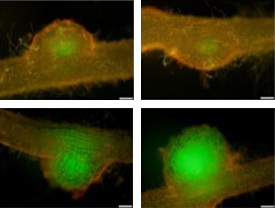
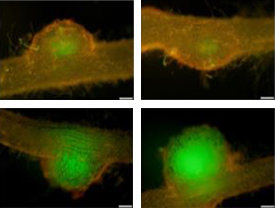
Exploring the role of O-antigen in rhizobium–legume symbiosis, Zhide Tang and colleagues constructed a deletion mutant of MCHK_1752, a lipopolysaccharide (LPS) O-antigen polymerase gene in Mesorhizobium huakuii.

The inoculation of six Astragalus sinicus accessions with MCHK_1752 resulted in highly different symbiotic phenotypes in the accessions, indicating that this O-antigen synthesis gene affects the symbiotic compatibility between M. huakuii and A. sinicus during symbiotic nitrogen fixation.

This study provides new insights into the important role of LPS in the establishment of symbiotic nitrogen fixation systems and lays the foundation for further dissection of the molecular mechanism underlying rhizobium–legume symbiotic nitrogen fixation.


Putative NAD(P)-Binding Rossmann Fold Protein Is Involved in Chitosan-Induced Peroxidase Activity and Lipoxygenase Expression in Physcomitrium patens

07MPMI EdPick Marttinen image

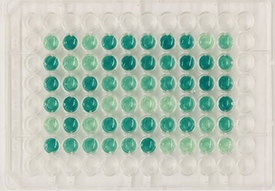
Eeva Marttinen and colleagues screened part of the Physcomitrium patens mutant collection to elucidate the pathway of peroxidase activity in response to chitosan treatment.

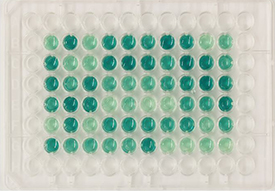
Screening of 385 plants for reduced extracellular peroxidase activity enabled the identification of candidate plants with altered responses to chitosan treatment and ultimately led to the discovery of a Rossmann fold protein in P. patens.

This study suggests that the NAD(P)-binding Rossmann fold protein is involved as a novel player in the pathway leading to increased peroxidase activity after chitosan treatment and normal expression of lipoxygenase (LOX)—indicating a complex regulation of the defense response against pathogens in this species of moss.

What Does It Mean to Practice Inclusion in Science?

I realized the world is mine. I can do whatever I want. But I still experience intimidation and fear being in a scientific field because communication is not accessible in that context. And so, I

06WhatsNew Sankoh

was deciding whether I should pursue my education in biochemistry or in another field, and someone said to me, ‘Go forth with your education in whatever field you want.’

—Dr. Amie Fornah Sankoh 

In a new episode of Microgreens, the MPMI journal podcast, Dr. Tiff Mak and Dr. Dominique Holtappels interview Dr. Amie Fornah Sankoh, who highlights the importance of mentorship and disability justice in science. Amie shares her journey to becoming the first deaf, black woman to receive a doctorate in a STEM (science, technology, engineering, and math) discipline in the United States.

A full transcript to the audio recording of the interview can be found here. A video version of the recording will be released later for audiences to experience and engage with Amie through sign language.​

Read the Latest MPMI Editor’s Picks

MPMI EdPick banner700

07MPMI EdPick Tang image

A Lipopolysaccharide O-Antigen Synthesis Gene in Mesorhizobium huakuii Plays Differentiated Roles in Root Nodule Symbiotic Compatibility with Astragalus sinicus

Exploring the role of O-antigen in rhizobium–legume symbiosis, Zhide Tang and colleagues constructed a deletion mutant of MCHK_1752, a lipopolysaccharide (LPS) O-antigen polymerase gene in Mesorhizobium huakuii.

The inoculation of six Astragalus sinicus accessions with MCHK_1752 resulted in highly different symbiotic phenotypes in the accessions, indicating that this O-antigen synthesis gene affects the symbiotic compatibility between M. huakuii and A. sinicus during symbiotic nitrogen fixation.

This study provides new insights into the important role of LPS in the establishment of symbiotic nitrogen fixation systems and lays the foundation for further dissection of the molecular mechanism underlying rhizobium–legume symbiotic nitrogen fixation.

07MPMI EdPick Marttinen image

Putative NAD(P)-Binding Rossmann Fold Protein Is Involved in Chitosan-Induced Peroxidase Activity and Lipoxygenase Expression in Physcomitrium patens

Eeva Marttinen and colleagues screened part of the Physcomitrium patens mutant collection to elucidate the pathway of peroxidase activity in response to chitosan treatment.

Screening of 385 plants for reduced extracellular peroxidase activity enabled the identification of candidate plants with altered responses to chitosan treatment and ultimately led to the discovery of a Rossmann fold protein in P. patens.

This study suggests that the NAD(P)-binding Rossmann fold protein is involved as a novel player in the pathway leading to increased peroxidase activity after chitosan treatment and normal expression of lipoxygenase (LOX)—indicating a complex regulation of the defense response against pathogens in this species of moss.

Scroll to Top