Category: Volume 4 • 2020

Welcome to the New Interactions

ISMPMI 285 2 1955560 removebg preview

Issue 1

2017

interactions

Did You Know

reginedennis2

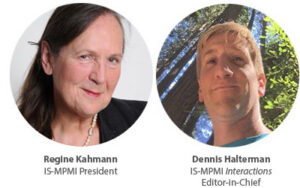
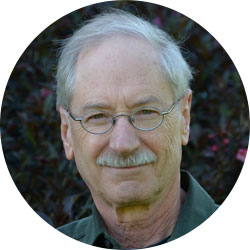
Welcome to the new IS-MPMI Interactions issue format! This enhanced publication, updated quarterly, will provide members with a glimpse of topic research developments, current events, opinions, and career opportunities. We are hopeful that Interactions will become a forum for serious (and occasionally less-than-serious) thoughts that stimulate new interactions between members. To achieve this, Interactions has a new editor-in-chief (Dennis Halterman) and a group of distinguished senior advisors: Fred AusubelPaola BonfanteAlan CollmerAllan Downie, and Dan Klessig.

A major goal of Interactions will be to provide opportunities in particular for our young members to increase their participation and visibility within IS-MPMI. We believe that promoting such participation will have many benefits to their careers. Members just starting out and developing their research program can use Interactions to initiate and foster cooperation and collaboration with others studying similar systems or others who can contribute necessary technical expertise. For those who are searching for a permanent research or teaching position, Interactions will open possibilities to identify compatible career environments and to publish content to demonstrate effective communication of your ideas and opinions. Senior scientists will be able to use Interactions to interact with a broader community of junior scientists and to identify outstanding individuals for possible recruitment into graduate, post-doctoral, or faculty positions.

In order to fulfill our vision and make Interactions a success, we will rely heavily on member participation. We expect the majority of published content to be provided by the IS-MPMI community. Our hope is to make Interactions an accommodating forum for members to share views on “hot topics,” anecdotal stories about research findings published in the MPMI journal, or science-related events within the community. As IS-MPMI is a premier international society, we foresee Interactions as a means to showcase the tremendous diversity within our membership and provide viewpoints on what matters to us most.

If you have ideas for content that you think will be appropriate for publication in Interactions, please contact us by using the online submission form or by e-mail to dennis.halterman@ars.usda.gov. Are publications in Interactions something you can put on your CV? Of course! Interactions publications will not be peer-reviewed articles per se, but they will be reviewed and edited (possibly) by our advisory board and could be listed as trade-journal or outreach-type articles to demonstrate that you have some writing experience outside of typical research journal formats. So, if you would like to get some experience in writing (PIs should encourage students/post-docs to take advantage of this) and have ideas for potential articles, please reach out to us through the online submission form. We would also like to increase the number of senior advisors to Interactions and hope for volunteers, in particular from countries other than the United States in order to broaden our worldwide presence and provide global insights.

Finally, we expect that the content and layout of the Interactions site will be evolving as we determine what works best to effectively communicate content. Please feel free to provide feedback (both positive and critical are welcome), as it will help us to improve Interactions.

Regards,
Dennis Halterman, Interactions Editor-in-Chief
Regine Kahmann, IS-MPMI President

Get to Know the IS-MPMI Interactions Advisory Team

ISMPMI 285 2 1955560 removebg preview

Issue 1

2017

interactions

Did You Know

halterman1
Dennis Halterman
Research Geneticist
USDA/ARS Vegetable Crops Research Unit
Madison, WI U.S.A.
Joined IS-MPMI in 2001
Current/past positions: EIC of IS-MPMI Interactions 2017-present

Dennis’s research is focused on identifying and characterizing disease resistance genes from wild species relatives of cultivated potato. His research involves a wide range of disciplines that include genomics, molecular biology, bioinformatics, plant pathology, and plant breeding. For the past ten years, a major focus of Dennis’s work has been molecular interactions that condition resistance and susceptibility to the late blight pathogen Phytophthora infestans but his also interested in studying resistance to several other important diseases.

ausubel1
Frederick M. Ausubel
Professor of Genetics
Harvard Medical School
Boston, MA U.S.A.
Helped establish IS-MPMI in 1990
Editor-in-Chief MPMI 1992-1994

Frederick’s work mostly concerns host-microbe interactions. In the 1970s and 1980s, his laboratory worked on the molecular basis of symbiotic nitrogen fixation. In the mid 1980s, the lab switched to studying bacterial and fungal pathogenesis using the reference plant Arabidopsis thaliana as a model host. The overall goal has been to elucidate Arabidopsis immune signaling pathways. The Ausubel lab is currently in the process of closing down as Frederick prepares for retirement in September 2018.

bonfante1

Paola Bonfante
Professor, Plant Biology
Department of Life Science and Systems Biology
University of Torino
Current positions: IS-MPMI Interactions Advisory Team, 2017-present

Paola’s research is focused on the biology of symbiotic associations, mainly mycorrhizas. She has studied the intimate interactions that occur between mycorrhizal fungi and plants, mostly focusing on cell plant re-organization upon AM fungal entry by using cellular and molecular approaches. Applying DNA technologies, early in the nineties, she provided contribution to the knowledge of mycorrhizal diversity in natural and agricultural environments. She has discovered a group of endobacteria which live inside mycorrhizal fungi and may modulate some of the functional traits of their fungal hosts. Her major current projects are focused on rice, wheat, and tomato responses to soil microbiota.

collmer1

Alan Collmer
Andrew J. and Grace B. Nichols Professor
School of Integrative Plant Science
Section of Plant Pathology and Plant-Microbe Biology
Cornell University
Joined IS-MPMI in 1984
Current/past positions: Editorial Advisory Board for Molecular Plant-Microbe Interactions, American Phytopathological Society, 1989-1991; Associate Editor for Molecular Plant-Microbe Interactions, 1987-1996; IS-MPMI Board Secretary 1996-2000

Alan’s research investigates the molecular basis of bacterial virulence in plants, with a focus on protein secretion systems and their traffic. His work in recent years has focused on Pseudomonas syringae pv. tomato DC3000 genomics and the functional interactions among effectors injected into plants by the type III secretion system.

downie1

Allan Downie
Professor, Department of Molecular Microbiology
John Innes Centre

Allan has worked for over 35 years on the interactions between rhizobia and legumes. He has a particular interest in how rhizobia use Nod factors to activate developmental programmes in the plant to set up infection structures and to induce nodule morphogenesis. Perception of Nod factors results in the activation of multiple pathways, with higher specificity for infection than for nodule development. Using legume mutants defective for infection he has been involved in the identification of components required for initiation and maintenance of the plant-made infection structures.

klessig1

Dan Klessig
Professor, Boyce Thompson Institute and School of Integrative Plant Science
Cornell University
IS-MPMI member since 1990

Dan’s research spans the plant and human health fields. During his early career, he focused on DNA tumor viruses, which lead to the discovery of split genes and RNA splicing. In the mid 1980, he initiated a research program in plant pathology, which focused on role of salicylic acid (SA) in plant immunity. In addition to SA, his group identified other important factors which contribute to plant immunity, including nitric oxide, MAP Kinases, cyclic nucleotide-gated ion channels, fatty acid desaturases, and nematode ascarosides. Using the methods and approaches developed to identify SA targets in plants, his group has recently uncovered several new targets in humans, which are involved in many of the most prevalent and devastating diseases, including heart disease, arthritis, cancer, and Alzheimer’s disease. Natural and synthetic derivatives are also being identified, which are 50-1000 times more potent at inhibiting the disease-associated activities of these targets.

InterViews: Sophien Kamoun

ISMPMI 285 2 1955560 removebg preview

Issue 1

2017

interactions

Did You Know

interviews

This InterView with Sophien Kamoun, John Innes Centre, was performed by one of the 2016 IS-MPMI student travel awardees, Jixiang Kong, Gregor Mendel Institute.

sophienhead
Sophien Kamoun
John Innes Centre
jixiangkong 200
Jixiang Kong
Gregor Mendel Institute

JIXIANG KONG: What led you to study biology? More specifically plant-pathogen interactions.

SOPHIEN KAMOUN: I grew up with a passion for nature. As a teenager I collected insects and became fascinated by their incredible diversity. Later I took this “hobby” more seriously and I specialized in studying tiger beetles. I even published a few papers on this topic.

After high school in Tunisia, I went to Paris with the firm intention of studying biology and becoming an entomologist. However, I was disappointed by how badly taught zoology was—too much emphasis on taxonomy and little mechanistic thinking. Instead, I became drawn to the more rigorous methods and approaches of molecular biology, and I ended up majoring in genetics. I reconciled this major with my natural history interests by taking multiple modules in evolution and reading a lot on the subject.

Plant pathology came later when I moved from Paris to the University of California-Davis for my Ph.D. The fellowship I received stipulated that I should study plant biology. It wasn’t by choice but rather by accident. But I quickly became engrossed in molecular plant pathology and I really liked that this science involves interactions between multiple organisms. However, for many years I missed a direct connection between the lab work and the field.

JK: If you would not have chosen the topic of plant-pathogen interactions, what would you choose?

sophien2 sm (1)

SK: Definitely, entomology. I’m still fascinated by insects, especially beetles. I feel we know so little about their biology, especially from a mechanistic angle. They are so diverse and yet most insect research focuses on a few species, such as Drosophila. There are so many fascinating questions, for example, about the evolution of insect behavior and the underlying genes. Also, insects can be important crop pests and disease vectors. This is a very fertile area of research that I highly recommend to early career scientists.

JK: How do you envision large-scale “omics” approaches in studying plant immunity?

SK: Omics are just another tool. They’re powerful tools but they’re still methods we use to answer questions. I advise everyone to frame their research based on questions and then look for the best methods to answer these questions.

This said, genomics has transformed biology in a fundamental way. It’s a new way of doing business. We now have catalogs of plant and pathogen genes, so the challenge is to link genes to function rather than discovering the genes per se. Another key aspect is that genomics is a great equalizer. Model systems are less important than in earlier days. One can make a lot of progress with a genome and a few functional assays. For example, consider the progress made in discovering effectors in obligate parasites. This would have been almost unthinkable in the pre-genomics age. This is why I wish to see more early career scientists explore the diversity of pathogen systems rather than working on established model systems.

JK: Social media is changing the way of communication rapidly. However, the scientific communication on social media is just emerging. How do you see the direction of social media in the future regarding the impact on science? Will social media replace or minimize some conventional communication such as conferences?

SK: Communication is an essential function of being a scientist. We’re not only in the business of producing new knowledge but it’s also our obligation to communicate knowledge to our peers and the public. These days social media became a major medium for communication in science. It’s an efficient way to filter through the incessant flow of information, stay up to date, and broadly broadcast new knowledge. It also enables us to expand our network way beyond traditional colleagues. I interact on Twitter with teachers, farmers, journalists, etc. I also use it, of course, to communicate with colleagues and share information and insights. I also find Twitter immensely entertaining. Scientists have a lot of humor.

sophien1 sm

I don’t think social media will replace the need for direct contact and interaction between peers. I think we still would want to break off our daily routine and meet in person with colleagues. However, I wish we could start rethinking the format of scientific conferences. Both the fairly detailed oral presentations and poster sessions could be improved if they were combined with some sort of Internet interaction. Twitter is already transforming how scientists interact at conferences but we could do better.

JK: What advice would you provide to young researchers who are in their early scientific career?

SKDon’t follow the herd. Take chances. Look beyond the current trends both in terms of experimental systems and questions, and ask provocative questions.

Using Scoop.it to Share Science Related to Your Interests

ISMPMI 285 2 1955560 removebg preview

Issue 1

2017

interactions

Did You Know

By Dennis Halterman, Interactions Editor-in-Chief

If you’re like me, you have a Twitter account but you only use it once in a while. Or maybe you’ve heard about using social media to communicate your science but haven’t yet taken the leap. Setting up work-related social media accounts is relatively easy and, once you have an account set up, you’ll find a wealth of information shared by your fellow scientists (so much, in fact, that it’s difficult to keep up with everything). One aspect of communicating science among fellow scientists is to share recent papers or other news items that you find interesting. I’ve personally noticed several IS-MPMI members use a tool called “Scoop.it” (www.scoop.it) to organize and share recent papers related to their research. In this article, I’ll describe how to get started setting up and using your own Scoop.it account.

What is Scoop.it?
Basically, it’s a way to publish content that you want to share with others. Scoop.it helps you acquire content and then share it via social media (Twitter, Facebook, etc.). The purpose of using Scoop.it in our community is primarily to share research articles, but the site is also used by many different disciplines.

logo scoopit bg white

Step one: Sign up. Visit the Scoop.it website and set up an account.

Step two: Create a topic. On your dashboard screen (click on your name in the upper right corner and select ‘My Dashboard’), you will have the option to “Create a Topic.” This topic will be curated by you. It helps to choose a topic name that will have general interest, but you can change it later, if needed. Some topics curated by other IS-MPMI members are Plants and Microbes (Kamoun Lab); Plant Pathogenic Fungi (Steve Marek); MycorWeb Plant-Microbe Interactions (Francis Martin); Plant-Microbe Symbiosis (Jean-Michel Ané); TAL Effector Science (Sebastian Schornack); and several others.

Click on “Create a Topic” and name your topic. You have the option to have your topic hidden (only visible to you) or not. Since the purpose of this is to share your content with others, you’ll likely leave this box unchecked. With the free version, you can only choose one topic to curate. You can, of course, pay to upgrade your account, which will allow you to curate more topics. Or, you can unlock features using points earned by becoming more active in your curation, inviting friends, etc.

Step three: Start curating. You can find suggested content by adding keywords, but I found this to be somewhat cumbersome. If you pick general terms like “potato” or “plants,” you’re going to find a lot of junk suggestions. But you can filter the suggestions to just “Articles,” if you want. If you’re looking to scoop research articles, you can add the journal name to the keywords.

When you find content that you’d like to scoop through the keyword search, you can click on the “Scoop.it” button. Here, you’re offered the opportunity to distribute your scoop via social media. On the right-hand side of this window, you can choose a photo to accompany your scoop and the layout of the scoop. In some cases, the photo options are limited, so you can upload your own or delete the photo entirely.

Another useful tool is the Scoop.it bookmarklet. This is an invaluable resource that allows you to add content while you’re browsing. Click on your name on the upper right-hand corner of the Scoop.it page to bring up the menu that contains “Bookmarklet.” On this page, you can drag and drop the Scoop.it button to your bookmark toolbar in your browser window. When you’re browsing articles and find one that you’d like to curate, you can simply click on the Scoop.it bookmarklet and it will format the content for you.

Step four: Follow other curated topics. Have other interests other than your curated topic? Of course you do. If you’d like to follow other people’s topics, go to the search window at the top of the page and search for topics or users inside Scoop.it. You can search for people you know are active Scoop.it users or search for a topic like “Plants and Microbes.” This will bring up scoops related to this topic. If you click on the topic (under the name of the person who scooped the content), you’ll have a chance to “follow” this topic by clicking the box in the upper left corner of the page. Now, back on your dashboard page, you can select “My Followed Topics” to find all of these pages. (Scoop.it autofills some topics. If you’d like to remove them, you can click on the topic and select “unfollow.”)

That’s it! You’re on you’re way to becoming a social media guru and making yourself (and your research) more visible to the community. When you come across content that you’d like to share, simply click on the Scoop.it bookmark button. Or visit other curated pages on topics of interest and “rescoop” content that also fits with your topic of interest.

InterMurals – Oliver Ellingham

ISMPMI 285 2 1955560 removebg preview

Issue 1

2017

interactions

Did You Know

interviews

As part of the new IS-MPMI Interactions, we would like to include photos of you doing what you do best—science.  Send a photo that best represents your research with a short caption to dennis.halterman@ars.usda.gov, and we will include it in the InterMurals section of Interactions.


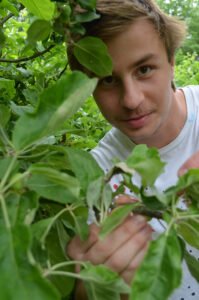
Oliver Ellingham, University of Reading, identifying powdery mildew fungus growing on apple trees. Using newly identified molecular markers Oliver has improved the identification accuracy of hundreds of powdery mildew species.

Ellingham

Expand on Discussions Reported in New, Open-Access MPMI Whitepaper

ISMPMI 285 2 1955560 removebg preview

Issue 1

2020

interactions

Did You Know

A new whitepaper published in Molecular Plant-Microbe Interactions, entitled “Foundational and Translational Research Opportunities to Improve Plant Health,” offers a detailed accounting of deliberations at a recent workshop focused on the various biotic challenges to maintaining plant health.

This fully open-access paper provides an outline and an accounting of the discussions between Richard W. Michelmore, University of California, Davis; MPMI Editor-in-Chief John M. McDowell; and nearly 40 other researchers at the British Embassy in Washington, DC, in late 2016.

Members are encouraged to view the whitepaper and extend this engaging conversation about the many challenges and solutions for maintaining the quality and productivity of crops to secure food for the rapidly growing human population.

MPMI and the participants invite reader comments about this paper. Visit apsjournals.apsnet.org/page/MPMI-01-17-0010-CR to become part of this important and timely discussion.

WhitePaperBannerMPMI Horz2

Three-Way Transcriptomic Interaction Study of a Biocontrol Agent, Fungal Pathogen, and Potato Host

ISMPMI 285 2 1955560 removebg preview

Issue 1

2020

interactions

Did You Know

Lysøe and colleagues use transcriptomics to examine the mechanisms through which a biocontrol agent (Clonostachys rosea) limits the severity of a postharvest fungal disease of potato, caused by Helminthosporium solani. Their analysis suggests a complex mode of action, involving activation of host immunity, competition, and mycoparasitism.

InterView: Pamela C. Ronald

ISMPMI 285 2 1955560 removebg preview

Issue 1

2020

interactions

Did You Know

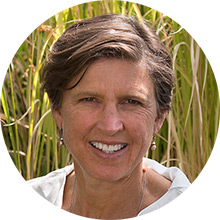
This InterView with Pamela C. Ronald, University of California, was performed by one of the 2016 IS-MPMI student travel awardees, Gazala Ameen, North Dakota State University.

interviews

ameengazala
Gazala Ameen
North Dakota State University
pamelaronald
Pamela C. Ronald
University of California

Gazala Ameen (GA): Dr. Ronald, your work and efforts to connect lab to land is a role model for many budding scientists. What is the inspiration and driving force behind you to be a wonderful scientist and strong advocate for plant science?

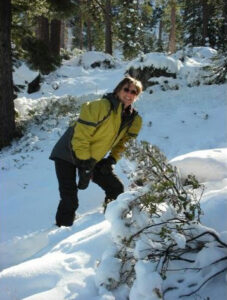
Pamela Ronald (PR): I have always been interested in food, farming, and the wilderness. My dad built a 500-ft2 cabin, about 60 years ago before I was born in Tahoe. I spend a lot of time as a kid backpacking in the Sierra Nevada mountains identifying flowers and trees. I loved to walk for days and camp out under the stars. My mother was an avid gardener and a really good cook. So, I was always interested in food and farming.


GA: In your opinion, how do you think your work is filling the knowledge gap and leading the progression of scientific community?

ronald1

PR: Most scientists hope that some of the work we do will be useful to other scientists and, if we are lucky, directly applicable to farmers in our lifetime. I feel that I have been very fortunate to have a really good lab team and wonderful collaborators and we have done some exciting work. I hope that many of the scientists I have mentored will continue with the work. I believe that any scientific advance, no matter how small, can help make the world a better place.

GA: How do you think people can become more educated about GM crops and their role in feeding our growing world population, especially those who are deprived of the basic human right of food? How can we educate the general public about it?

PR: Well, the issue is less about genetics and more about agriculture. Very few people in the United States are farmers and very few people even hear from farmers. I am often invited to join panel discussion about food and farming. Typically, there is not a single farmer on the panel. So, I think that if we could engage farmers in the conversations and discussions with consumers, it will really help a lot. For example, I think if you are a plant biologist, you understand what a seed is and that you need a seed to make a plant and that seeds have genes that encode traits that farmers need and consumers need. But that’s not so obvious to a lot of people who are not plant biologists or farmers. I believe we need to start plant biology education early—we need to help high school teachers teach their students about genetics and breeding. If there is a basic knowledge about plant breeding and the challenges faced by farmers, it will be easier for the consumers to understand that there are many different methods of genetic alterations and that we need to be thinking not about the type of genetics but how can we advance to sustainable agriculture. How can we help farmers produce enough food to feed themselves and their family and how can we help farmers farm more ecologically? How can we help reduce inputs and allow farmers to use less land and less water? Of course, it is not all about plant genetics, farmers need much more than seeds. Farmers need to use ecologically based farming practices, they need to have access to water and land, and there needs to be good government policies. It’s an interrelated system. Once we engage in dialog about sustainable agriculture, it really helps consumers think about plant genetics. Let me give you a specific example. I am opposed to the term “GMO” because it means something different to each person. And of course, everything we eat has been genetically altered in some manner. So, what I would like to see is more discussions specific to the agricultural challenge. For instance, Papaya ringspot virus infects papaya in Hawaii, which devastates the orchard and is a huge economic hardship to growers. What approaches can help farmers keep growing their crops? In this case, genetically engineered papaya to create immune papaya has worked well for more than 10 years.

GA: What are your feelings toward the future of basic scientific research, especially in the current scenario of limited research funding?

Ronald2

PR: There are always ups and downs. I think that most politicians will say that they support science and that they recognize that scientific research is critical for the American economy and the global economy (even if their actions don’t always reflect that). So, I am encouraged that we do have that kind of political support, but of course, it needs to get translated into actions and support to young scientists and funding to help do the research. As scientists, we need to keep advocating for good science and engaging about science with as many nonscientists as we can. We need to try to understand the kind of issues that they are wondering about and do our best to explain why science is important.

GA: As women remain underrepresented in STEM, how can we take charge to educate more young women, get them involved in STEM, and help them to remain motivated?

PR: For women in particular?

GA: Yeah!

PR: For all of us, men and women alike, science is challenging. It is hard and you have many failures. It’s important to remember that failures are a normal part of science and help and support each other during hard times. Choose to work with people that you enjoy and trust. Support them as they support you. Be generous and kind. Share your data before publication. I don’t want to generalize too much, but it may be that there are more women than men who lack confidence in their skills and suffer from imposter syndrome. Of course, I know men who feel that way too, but it does seem to be more common in women. I hope that, once we reach a point where there are similar numbers of men and women in STEM fields, many of the challenges women now face will diminish (lack of respect, etc.) (For a great twitter story on this see: https://twitter.com/schneidremarks/status/839910253680553988?lang=en). For both men and women, having children is challenging because you love them and you love science and you want to do the best for both. But this is the case for most jobs. The good thing about science is that there is flexibility and understanding. This allows scientists who are parents to arrange their schedule so that family life will work well.

Fat Cats Can Jump Over The Wall: Plant Biotic Interactions Workshop in Hohhot, Inner Mongolia, China

ISMPMI 285 2 1955560 removebg preview

Issue 1

2020

interactions

Did You Know

— By Sophien Kamoun with contributions from LFCats

On a cloudy Norwich day in 2011, post-docs Sebastian SchornackSylvain Raffaele, and Tolga Bozkurt were having a typical British lunch of fish and chips with mushy peas with their supervisor Sophien Kamoun. Somehow, the discussion turned to the importance of sustained productivity. Kamoun, in his usual hyperbolic style, pointed out that now that each one of them had just published notable papers (Schornack et al., 2010Raffaele et al., 2010Bozkurt et al., 2011), they should beware of not behaving like “lazy fat cats” and think hard about their next papers. Not everyone left the lunch in the happiest mood. One day later, after discussion with another post-doc, Mireille van Damme, Schornack and colleagues decided to found the Lazy Fat Cat Club (#LFCats). Schornack drafted a chart and was appointed as Chairman Féi māo (fat cat in Mandarin). The #LFCats ethos is that productive research requires a significant amount of communication and knowledge exchange, and informally discussing research is a perfect way of solving roadblocks and laying paths for the future. Casual meetings took place on a regular basis at The Sainsbury Laboratory, mainly on afternoon coffee breaks. The club continued to loosely grow and several other researchers joined the #LFCats. As the members moved on to start their own labs, the #LFCats “brand” helped nurture a lasting bond. Suomeng Dong, now a professor in the Department of Plant Pathology at Nanjing Agricultural University, coined the Chinese proverb “Fat cats cannot jump over the wall” to challenge the #LFCats to work collaboratively to solve problems and “jump over the wall.”
hohhot2

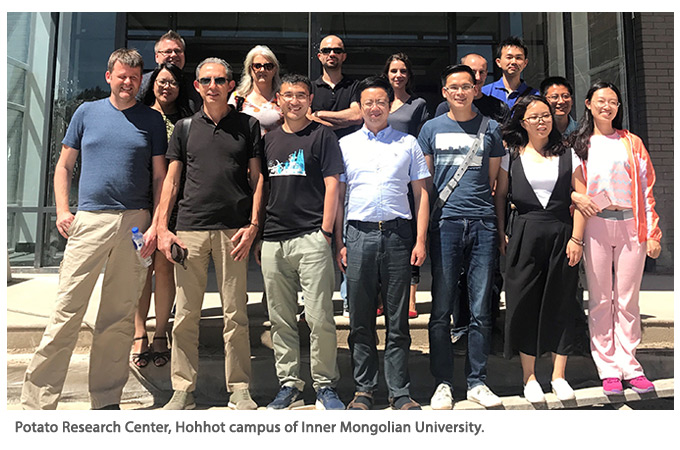
It should be noted that the #LFCats are neither lazy (well, maybe a bit sometimes…) nor overweight (no comments…). Instead the club’s name relates to the initial discussion and stands for the importance of moving out your comfort zone and looking forward to the next goal in science or in life. It also grew to reflect the importance of informal interactions as a means to enhance efficiency and creativity. To promote such interactions, Schornack organized the first #LFCats research meeting at the Sainsbury Laboratory Cambridge University in 2013. Dong (Nanjing Agricultural University, China) and Ruofang Zhang (Inner Mongolia University, China) led a second meeting in August 2017 in Hohhot, Inner Mongolia. The local host, Zhang, is the director of the Potato Research Center at Inner Mongolian University and the Plant Protection section in the Chinese Modern Agricultural Industry Technology System. Indeed, the autonomous region of Inner Mongolia is the largest potato production area in China and has contributed to making this country the leading potato producer in the world.
In this report, we summarize the key findings presented at the workshop.
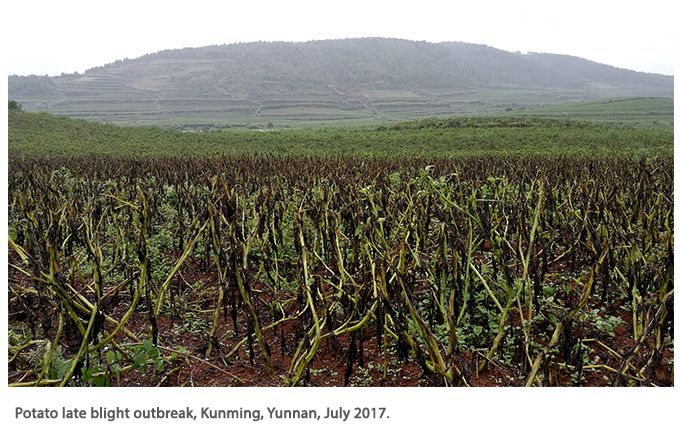
The event kicked off with a keynote talk by Yuanchao Wang, Nanjing Agricultural University. Wang reminded the audience of the importance of oomycete diseases in China by showing dramatic photos of a potato late blight outbreak taken two weeks earlier in Kunming, Yunnan. Wang then described elegant detective work to unravel one facet of the arms-race coevolution between Phytophthora and plants. The projects started with the identification of a secreted Phytophthora sojae protein, named XEG1, that triggers hypersensitive cell death in Nicotiana benthamiana. Using a gene-silencing loss-of-function screen, Wang and colleagues identified a receptor-like protein, RXEG1, that binds XEG1 and is required for XEG1-induced ROS burst and immunity. This screen also resulted in the identification of a receptor-like kinase protein, RFX1, that forms a complex with RXEG1 and is also required for XEG1-induced immunity. XEG1 encodes hydrolase activity, and loss-of-function mutants obtained by CRISPR/Cas9 knock-outs in P. sojae revealed that XEG1 is required for full virulence on soybean via its catalytic activity. Interestingly, plants secrete a glucanase inhibitor, GIP1, that inhibits GIP1 and contributes to host resistance to P. sojae. Remarkably, XEG1 has duplicated in Phytophthora genomes, and a closely linked paralog, XLP1, present in head-to-head configuration with XEG1 in the P. sojae genome, also binds soybean GIP1 but lacks catalytic activity. Binding of XLP1 to GIP1 is essential for virulence and competes with XEG1 for GIP1 binding, thus, counteracting GIP1 contribution to host defense. Thus, P. sojae has evolved XLP1 as a decoy as a counter-defense strategy. Given that both XEG1 and XLP1 are widely distributed in Phytophthora, the XLP1 decoy has evolved early in the genus, suggesting that GIP1-type defense response is a common anti-Phytophthora defense response in plants. This works also highlights the importance of apoplastic interactions as a site of the antagonistic interactions between oomycetes and plants. Interestingly, Phytophthora also delivers RXLR effectors into host cells that suppress RXEG1-mediated immunity, highlighting a recurrent theme throughout the workshop—the endless arms race between pathogens and their hosts.
Wenbo Ma, University of California-Riverside, was another distinguished speaker to join the workshop. She described her pioneering work on Phytophthora effectors that suppress RNA silencing in plant hosts. These Phytophthora suppressors of RNA silencing (PSRs) promote infection by targeting various host regulators of RNAi. One question is why the pathogen has evolved to suppress host RNAi. Ma reported exciting new results on how host-produced phased siRNAs (or phasiRNAs) target Phytophthora genes, therefore, raising the hypothesis that host siRNAs traffic into the pathogen as a defense measure. Thus, Phytophthora PSR effectors suppress the production of these siRNAs as a counter-defense strategy in another elegant example of the continuous arms race between Phytophthora and host plants.
A second keynote speaker was Jianmin Zhou, Chinese Academy of Sciences, who centered his presentation on BIK1, a PBS1-like receptor like cytoplasmic kinase that negatively regulates immunity triggered by bacterial flagellin. Zhou reviewed the intricate dissection of the molecular mechanisms underpinning the activation of flagellin-triggered immunity in Arabidopsis; most interestingly, his recent functional genomics analyses of Arabidopsis RLCK family (46 genes) and the MAPKKK family (60 genes). This enabled him to discover that several RLCKs and MAPKKKs are involved in responses triggered by other PRRs, notably following elicitation by fungal chitin. Redundancy is the bane of genetic analysis. Zhou discussed how CRISPR/Cas9 can be used to generate multiple loss-of-function mutants to study how RLCKs cooperate to modulate plant immunity and enable a robust response of the plant to environmental perturbation. The topic of genetic redundancy, and its importance in regulating plant-pathogen interactions, was another common theme of the workshop. It is gratifying that genetic analyses have started to unravel complex network-type interactions in plant-pathogen systems.
Chih-Hang Wu, The Sainsbury Laboratory, described his work on a helper-sensor NLR immune network that also illustrates the importance of genetic redundancy in plant immunity. This NLR network includes several well-known sensor NLRs, which confer disease resistance to diverse plant pathogens, and a few helper NLRs that display varying levels of functional redundancy and specificity to different sensor NLRs. Phylogenetic analyses of plant NLR proteins revealed that this NLR network originated from an ancestral NLR pair that emerged prior to the split between caryophyllale and asterid plants. Wu also discussed how this NLR network contributes to evolvability and robustness of plant NLR-triggered immunity.
Rosa Lozano-Duran, Shanghai Center for Plant Stress Biology, started her talk by reminding us how virus proteins can be multifunctional—a lesson worth remembering for those who work on bacteria and eukaryotic pathogens. One of the challenges that viruses face is to move from cell to cell, a feat they achieve through the plasmodesmata—membrane structures that serve as cytoplasmic bridges between cells. Remarkably, antiviral RNA interference (RNAi) can also move from cell to cell in plants, allowing for systemic spread of this immune response. Lozano-Duran reported that the C4 protein of the geminivirus Tomato yellow leaf curl virus inhibits the intercellular spread of RNAi. C4 interacts with the plant protein receptor-like kinase (RLK) BARELY ANY MERISTEM 1 (BAM1) and colocalizes with this protein at plasmodesmata. BAM1 and its closest paralogue, BAM2, function as positive regulators of the cell-to-cell movement of RNAi. This work is another illustration of how pathogens have coopted host processes to favor colonization and infection.
Sophien Kamoun, The Sainsbury Laboratory, continued on the theme of how effectors can serve as molecular probes to dissect various aspects of plant biology. He described how the interaction between Phytophthora infestans and Nicotiana benthamiana can serve as an experimental system to perform fast-forward cell biology of the haustorial host-pathogen interface. This work revealed dynamic changes in host membrane compartment formation and rerouting toward the pathogen interface in haustoriated plant cells. In particular, P. infestans effectors appear to coopt host membrane trafficking processes, such as selective autophagy, to promote plant colonization. Work on how plant pathogens coopt host selective autophagy is continuing in the laboratory of Bozkurt, Imperial College London, who unfortunately couldn’t attend the workshop.

Edgar Huitema, University of Dundee, provided an overview of his research program that aims to identify important processes required for disease in the vegetable pathogen Phytophthora capsici and its host plants. He described recent work demonstrating that nuclear enrichment in combination with quantitative mass-spectrometry can be used to characterize the host nuclear proteome and identify regulators of immunity that dynamically change during infection of tomato. He then went on to present work showing that transcriptional regulation is intimately linked to the infection cycle. Furthermore, he presented preliminary evidence suggesting that P. capsici is able to change its transcriptional program in a host-dependent manner, possibly explaining its ability to infect diverse plant species.

Sebastian Schornack, Sainsbury Laboratory Cambridge University, studies another wide-host-range oomycete pathogen, Phytophthora palmivora. He reported on dynamic changes in Nicotiana benthamiana root transcriptome during infection by P. palmivora. He also described recent work on P. palmivora effectors that are (so far) unique to this species. REX3, an RXLR-WY effector, binds a Rab GTPase and interferes with protein secretion in the host plant.

Sylvain Raffaele, INRA Toulouse, introduced the theme of specialist vs. generalist plant pathogens, or in other words, pairwise vs. diffuse host-pathogen interactions. He is interested in understanding how pathogens can infect multiple hosts and how different plants can evolve resistance to the same pathogen. Raffaele reconstructed the history of the evolution of host range within the Sclerotiniaceae fungi. The ability to infect multiple species emerged multiple times throughout evolution. A marked increase in the frequency of host jumps occurred after the Oligocene glaciation events, indicating a shift from co-evolution to host jumps. Raffaele studies Sclerotinia sclerotiorum, a close relative of Botrytis cinerea in the Leotiomycetes. He reported increased codon optimization in generalist compared to specialist fungal pathogens and discussed how codon optimization provides a mechanistic basis for the “jack of all trades, master of none” model supporting the capacity of parasites to colonize multiple hosts. Raffaele also reported on comparative transcriptomics of S. sclerotiorum on different host plants. Remarkably, he identified gene clusters that are specifically induced on particular hosts, reminiscent of gene expression patterns reported recently in aphids.
The topic of genome-wide pathogen response to environmental cues was also covered by Kentaro Yoshida, Kobe University. Yoshida set up an ambitious experiment to monitor pathogen gene expression dynamics in field over time, ranging from daily to seasonal scales. He showed intriguing seasonal dynamics in pathogen gene expression, e.g., reporting how a set of genes are up-regulated after increases in ambient temperature or after host flowering. Yoshida also reported periodical patterns of gene expression, particularly of effector genes.
Suomeng Dong, Nanjing Agricultural University, may have the key to global patterns of gene expression regulation. For a long time, the molecular basis of DNA methylation in Phytophthora remained mysterious and the classic eukaryotic 5-methylcytosine (5mC) modification could not be reliably detected. Instead, Dong described how N6-methyldeoxyadenine (6mA) is widespread in Phytophthora and appears to modulate gene expression levels. Interestingly, unlike most eukaryotes, 6m adenine methyltransferases have duplicated and functional diversified in Phytophthora, possibly as an adaptation to the repeat-driven genome expansion.
Alberto Macho, Shanghai Center for Plant Stress Biology, described the ambitious program he has set up at the Shanghai Plant Stress Center on functional genomics of Ralstonia solanacearum type III effectors, which add up to about 70 per strain in this pathogen. Macho has developed high-throughput screens for effector interactors and activities. Among his findings, he showed how theg-glutamyl cyclotransferase effector RipAY degrades the plant redox regulator glutathione to suppress immunity.
Zhenyu Liu, Anhui Agricultural University, introduced her new research program on wheat take-all, a disease caused by the fungus Gaeumannomyces graminis that was first detected in China in Zheijian in the 1930s and has moved to affect other wheat-growing regions. This necrotrophic pathogen is a Magnaporthaceae and is related to the rice and wheat blast pathogen Magnaporthe oryzae. Comparative analyses between these pathogens promise to further our understanding of the mechanisms of virulence and host range.
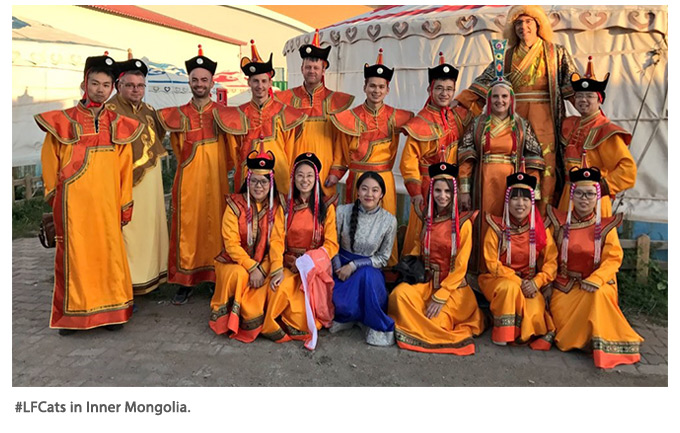
The workshop coincided with the 70th anniversary of the establishment of Inner Mongolia as an autonomous region of the People’s Republic of China. The participants visited the building site of the new Potato Research Center on the Hohhot campus of Inner Mongolian University. The center’s opening, along with additional infrastructure investments, promises to strengthen potato research capacity in the region. Following the workshop, a group of #LFCats joined an excursion to the Huitengxile grasslands of Inner Mongolia, where they enjoyed the unique local culture and discovered the diverse and colorful alpine flora on a beautiful and challenging 15-km hike. Fat cats may not easily jump over the wall but they can certainly reach the top of the mountain.

hohhot3


hohhot1

A Recap of the 2017 APS Annual Meeting

ISMPMI 285 2 1955560 removebg preview

Issue 2

2020

interactions

Did You Know

This year’s Annual Meeting of The American Phytopathological Society was held in San Antonio, TX, on August 5–9.

meetinggraphic

As someone whose research program is based primarily on studying molecular plant-microbe interactions, I have always found that the science presented at the APS Annual Meeting is more focused on the applied aspects of plant pathology and that the basic research kind of takes a backseat. However, there were many MPMI-focused talks and sessions, including a Special Session on “New Insights into NLR on Plant Immunity.” I have included some of the meeting highlights, including APS awards to four IS-MPMI members.

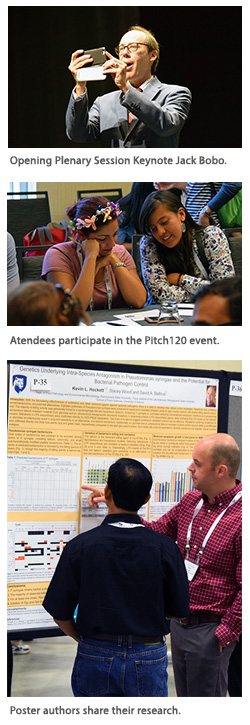
The meeting began with an Opening Plenary Session led by Jack Bobo, senior vice president and chief communications officer for Intrexon (subsidiaries include Arctic apple, AquAdvantage salmon, Oxitec sterile mosquitoes). His talk, entitled “Can Agriculture Save the Planet Before It Destroys It?,” started with a live tweet of the audience cheering “Go plant health!” He followed with a discussion of global trends in food and agriculture, with a take-home message that we need to get to year 2050 without destroying the environment through agriculture (deforestation, draining aquifers). After this date, population growth will slow dramatically and productivity gains will allow us to reduce the global footprint of agriculture. Beyond 2050, he predicts that “for the first time in human history, we will not need more food.” He concluded his talk with something that stuck in my mind: “The next 35 years are not just the most important 35 years there have ever been in the history of agriculture, they’re the most important 35 years there will ever be in the history of agriculture.”

A mid-meeting Plenary Session, entitled “Changing Landscapes in Plant Pathology,” featured three early career scientists using new technologies that impact our science. This session included presenters Greg Heck, science strategy operations manager at Monsanto, who spoke on “RNA-Based Applications for Agricultural Productivity”; Erica Goss, University of Florida, who spoke on “Global Movement, Local Consequences: Using Population Genomics to Understand the Changing Landscape of Plant Pathogens”; and Lav Khot, from Washington State University, who spoke on “State-of-the-Art on Sensing Technologies for Plant Disease Detection.” Recordings of Bobo and the other plenary speakers are available online.

The Closing Session speaker was Jeff Hurt, executive vice president of Velvet Chainsaw Consulting, with a talk entitled “Making the Science of Plant Pathology Work for You: What Now? What’s Next?” His talk was focused on tools and resources to help us summarize our meeting experience and identify actionable items that we can use to impact our own research.

One of the most welcome trends I saw at the meeting was a focus on communicating our science with the public. A networking event led by the APS Office of Public Relations and Outreach trained attendees on developing their own Pitch120—a 120-second summary of their research projects that could be understood by both scientists and nonscientists. Jim Bradeen, University of Minnesota, led a session entitled “Science as Story and Story as Science: Telling Plant Pathology Research Stories.” Another session, entitled “Navigating Contentious Conversations,” was led by Paul Vincelli, University of Kentucky, and focused on engaging the public on controversial topics (GMOs, fungicide usage).

Many of the presentations at the meeting were recorded and can be purchased and viewed online.

APS members are looking forward to next year’s International Congress of Plant Pathology: Plant Health in a Global Economy, which will be held in Boston, MA, from July 29 to August 3, 2018. More information and a preliminary list of plenary and keynote talks is available at the meeting website.

Four IS-MPMI members were recognized at the meeting for their outstanding contributions to the study of plant-pathogen interactions. Thomas Baum, Iowa State University; Andrew Bent, University of Wisconsin-Madison; and Yong-Hwan Lee, Seoul National University, were named APS Fellows. APS Fellow recognition is based on significant contributions in one or more of the following areas: original research, teaching, administration, professional and public service, and/or extension and outreach.

Hailing Jin, University of California-Riverside, was given the Ruth Allen Award, which honors individuals who have made an outstanding, innovative research contribution that has changed, or has the potential to change, the direction of research in any field of plant pathology.

Each of the awardees was asked to provide their perspective on their award and provide insights/advice for aspiring young scientists. Read the interviews in this issue of Interactions.

Scroll to Top