Category: Volume 4 • 2020

Congratulations to the 2019 IS-MPMI Travel Awardees!

ISMPMI 285 2 1955560 removebg preview

Issue 2

2019

interactions

Did You Know

Congratulations to the 2019 Ko Shimamoto Congress Travel Awardees. These awards are funded by the USDA-NIFA and NSF Plant Biotic Interactions Program (applications submitted by Roger Innes), and by funds generated from previous IS-MPMI conferences. This year, 385 applications were received for travel to the 2019 IS-MPMI Congress in Glasgow, Scotland.  The USDA and NSF funding will be used to supplement travel costs for 30 attendees coming from the U.S. The IS-MPMI funds will support an additional 40 awards for non-U.S. scientists.

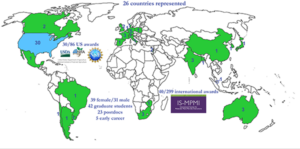
The award committee volunteers (President-Elect Mary Beth Mudgett, Treasurer Roger Innes, Travel Award Executive Wenbo Ma, and Interactions EIC Dennis Halterman) first ranked abstracts by topic area using input from special session chairs and then prioritized awards based on research topics, geography, and quality, to maximize the diversity of science being supported. The group of this year’s awardees represents 26 countries and comprises 42 graduate students, 23 postdocs, and 5 early-career professionals. Congratulations to all awardees! We look forward to learning more about your research in Glasgow.

world map

  • ​​Andrew Armitage, NIAB EMR
  • Korey Brownstein, The University of Chicago
  • Maria del Pilar Caro, INSIBIO-CONICET-UNT
  • Claudia Alejandra Castro, University of California, Riverside
  • Bardo A. Castro Esparza, University of California, Davis
  • Nuri Charoennit, National University of Singapore
  • Nicholas R. Colaianni, UNC Chapel Hill Biology
  • Khondoker M. G. Dastogeer, Bangladesh Agricultural University
  • Sophie De Vries, Dalhousie University
  • Sohini Deb, CSIR- Centre for Cellular and Molecular Biology
  • Zoe Dubrow, Cornell University
  • Anne Duncan, Stanford University
  • Citlali Fonseca, Instituto de Biotecnología, Universidad Nacional Autónoma de México
  • Andrew D. Gloss, University of Chicago
  • Michael R. Gomez, University of California, Berkeley
  • Laís M. Granato, Centro de Citricultura Sylvio Moreira/Instituto Agronômico
  • Corri Hamilton, University of Wisconsin, Madison
  • Susanna Harris, University of North Carolina, Chapel Hill
  • Janine Haueisen, Environmental Genomics CAU Kiel & MPI Plön
  • Tyler Helmann, University of California Berkeley
  • Ariel Herrera-Vásquez, Universidad Andrés Bello
  • Yiheng Hu, Australian National University
  • Alejandra I. Huerta, Colorado State University
  • Amit K. Jaiswal, Purdue University
  • Martin Janda, University of Chemistry and Technology Prague
  • Seongbeom Kim, Seoul National University
  • Seomun Kwon, Heinrich-Heine-Universität Düsseldorf
  • Bradley Laflamme, University of Toronto
  • Asaf Levy, The Hebrew University of Jerusalem
  • Feng Li, University of Minnesota
  • Federica Locci, ​Sapienza University
  • Kamal Kumar Malukani, Centre for Cellular and Molecular Biology
  • Bethan Manley, Department of Plant Sciences, University of Cambridge
  • Rose Tafadzwa Masekesa, University of Zimbabwe
  • Mamoru Matsumura, Nagoya University
  • Diana Carolina Mazo Molina, Cornell University
  • Mame Diarra Mbengue, INRA
  • Kathryn McIntyre, Colorado State University
  • Hannah M. McMillan, Duke University
  • Amanda G. McRae, University of California, Berkeley
  • Bharat Kumar Mishra, The University of Alabama at Birmingham
  • Maria A. Morel, IIBCE
  • Jason Ng, The Australian National University
  • Ntombikayise Precious Nkomo, University of Pretoria
  • Bridget O’Banion, University of Tennessee
  • Juan C. Ochoa, Institute of Plant Genetics, Polish Academy of Science
  • Zigmunds Orlovskis, University of Lausanne
  • Arturo Ortega, University of California Berkeley
  • Lorena B. Parra, UC Davis- Genome center
  • Christopher Peritore-Galve, Cornell University
  • Sarah E. Pottinger, Indiana University
  • Sivasubramanian Rajarammohan, National Agri-Food Biotechnology Institute
  • Mélanie K. Rich, LRSV UMR5546 CNRS/Université de Toulouse III
  • Edward C. Rojas, University of Copenhagen
  • Jose Rufian, Shanghai Center for Plant Stress Biology
  • Mugdha Sabale, University of Cordoba
  • Carol-Ann Crystal Segal, University of Pretoria
  • Adam Todd Seroka, Michigan State University
  • Lin-Jie Shu, Technical University of Munich
  • Meenu Singla Rastogi, IBENS
  • Guy Sobol, Tel Aviv University
  • DeQuantarius J. Speed, University of Chicago
  • Yi-Chang Sung, Research School of Biology, The Australia National University
  • Katalin Toth, University of Missouri
  • Stephanie Van Wyk, University of Pretoria
  • Valeria Velasquez-Zapata, Iowa State University
  • Jaap-Jan Willig, WUR
  • Silvia F. Zanini, University of Giessen, JLU
  • Jeysika Zayas-Rivera, University of Wisconsin, Madison
  • Yi Zhai, UC Riverside

InterStellar: ​Jan Leach Receives Agropolis Foundation Louis Malassis International Scientific Prize for Agriculture and Food

ISMPMI 285 2 1955560 removebg preview

Issue 2

2019

interactions

Did You Know

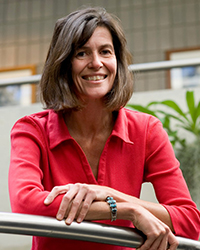
13 01 PEOPLE Jan Leach j

 Jan Leach, Colorado State University (CSU), received the Agropolis Foundation Louis Malassis International Scientific Prize for Agriculture and Food​ in the category “Distinguished Scientist.” She received the award in Montpelier, France, during the 4th World Congress on Agroforestry in May. The Agropolis Foundation Louis Malassis International Scientific Prize is awarded every 2 years and recognizes individuals for their “exemplary and promising contribution in promoting innovation through research, development and/or capacity building, in order to improve food and agricultural systems sustainability, as well as to address food security and poverty reduction.” As the associate dean for research in the College of Agricultural Sciences at CSU, Leach works with plant pathogens and insect pests and has focused on stabilizing disease resistance in rice to reduce losses, particularly in the developing world. Leach served as President of IS-MPMI from 1999-2001.

InterStellar: ​Maria Harrison Elected to the National Academy of Sciences

ISMPMI 285 2 1955560 removebg preview

Issue 2

2019

interactions

Did You Know

harrison

 Maria Harrison, William H. Crocker Professor at Boyce Thompson Institute, Adjunct Professor in the School of Integrative Plant Science (SIPS) at Cornell University, and IS-MPMI member, has been elected to the National Academy of Sciences.

Harrison is one of 100 new members announced on April 30. The organization recognizes her distinguished and continuing achievements in original research in plant science.

At BTI, researchers in Harrison’s lab study the mechanisms by which flowering plants exchange nutrients with symbiotic soil fungi, which could eventually help reduce the use of fertilizer in agriculture.

Because much of the phosphorus in soil is poorly soluble and therefore unavailable to plants, farmers need to supply this nutrient via fertilizer, which is costly to both the farmer and the environment. Harrison’s lab studies the symbiotic association of plants and arbuscular mycorrhizal fungi, in which the plant trades carbon for phosphorus from the fungi. Understanding the mechanisms of this exchange could help plant breeders generate strains of crops optimized to obtain phosphorus via the fungi, which could ultimately reduce phosphorus fertilizer usage.

“It is a tremendous honor to be elected to the National Academy, and I give much of the credit to the Harrison lab postdocs, students and research assistants, past and present, who have contributed to our research on arbuscular mycorrhizal symbiosis,” said Harrison. “Many thanks to everyone at BTI for their daily support and for making BTI an exciting place to work, and to colleagues within the Institute, Cornell SIPS and more broadly on the Cornell campus who together generate a vibrant research community that enables discovery.”

Harrison earned her doctorate in biochemistry and applied molecular biology from the University of Manchester in 1987. She then joined the Samuel Roberts Noble Foundation as a postdoctoral researcher and later as a staff scientist, and was also an Adjunct Professor at Oklahoma State University and Texas A&M University prior to coming aboard at BTI in 2003.

Her successful scientific program and influential research publications earned her the honor of being included by Thomson Reuters in its list of 2016’s most highly cited researchers. Harrison is a fellow of the American Association for the Advancement of Science (2012) and the American Academy for Microbiology (2013). She also received the Dennis R. Hoagland Award from the American Society of Plant Biologists from 2015-2018, and the Cornell College of Agriculture and Life Sciences Faculty Excellence in Undergraduate Research Mentoring award in 2015.

InterStellar: ​Sharon Long receives National Academy of Sciences Selman A. Waksman Award in Microbiology

ISMPMI 285 2 1955560 removebg preview

Issue 3

2019

interactions

Did You Know

sharon long
Photo Courtesy of Stanford University

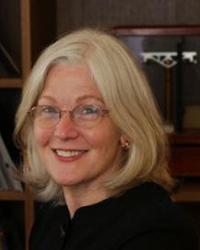
 The National Academy of Sciences recently honored Sharon Long, Stanford University, by awarding her the 2019 Selman A. Waksman Award​, which recognizes a major advance in the field of Microbiology. This award honors Sharon Long’s tremendous contributions to our understanding of the symbiotic interactions that lead to nitrogen-fixing legume root nodules. Her extensive body of work has moved the field of plant-microbe interactions forward, revealing a nuanced molecular dialogue between rhizobia and host that allow the bacteria to penetrate not only the root, but also root cells, where the metabolism of the two hosts becomes intertwined, resulting in a nutritional symbiosis.

In addition to consistently identifying and articulating core questions, Sharon leads by example, building a strong lab group, fostering a rigorous and collaborative environment that stimulates creativity and encourages development of a critical eye, holding herself to the highest ethical standards, and writing papers that clearly display the logic and reasoning behind the experiments. Sharon has been an outstanding mentor and advisor and a wonderful colleague. Congratulations, Sharon!

Dear Advisor, It’s not just a bad day.

ISMPMI 285 2 1955560 removebg preview

Issue 2

2019

interactions

Did You Know

EIC’s note: May was Mental Health Awareness Mon​th, so it is very fitting that this issue of Interactions includes the following article, written by UNC-Chapel Hill PhD candidate Susanna Harris, which captures the struggles that some student trainees can have in the lab. The article is aimed primarily at principal investigators and provides valuable suggestions to help support a mentally healthy work environment. This is a topic that warrants openness and communication and I’m hoping that it will incite further discussion among the IS-MPMI membership (questions, concerns, support, etc.​). There are multiple ways that you can do this: talk with your colleagues in your lab or department; provide comments or questions after this article; tag the @ISMPMI Twitter account (use #MPMImentalhealth​) in related discussions using social media; or start a dialog with other members at the Congress in Glasgow.  The people in our labs are our most valuable resources and a great blueprint for a healthy work environment should include support for both physical and mental health.  – Dennis Halterman, Interactions Editor-in-Chief

susanna harris

 By Susanna Harris, University of North Carolina, C​hapel Hill

You see her sitting at her bench, writing something in her notebook. “Oh good, she’s doing better,” you think, giving your graduate student a smile to convey your approval of her renewed interest in work. Compared to the first few years, her rigor and amount of progress had been declining, her attention in meetings wavering, her usually bright smile dimming instead of expanding out as she takes a new direction in research. Her labmate told you she didn’t sleep for two days before her department seminar and couldn’t stop obsessing over the tiniest error she made during the talk. But now it looks like she’s turned things around and there is no need to bring any of this up.


Or maybe it’s a new student who joined your lab last month; he impressed you with quick wit and a range of knowledge during the interview, but you’re starting to have your doubts about his dedication to grad school. After missing two meetings in a row and becoming angry at the smallest negative word from a colleague, he’s hurting the lab environment more than helping to grow your team. When he admits to seeing a therapist, you feel uneasy but hope he will soon get back to being the person you hired. You leave it alone for him to figure out. You know he needs to rediscover his excitement for research; academia is a hard but rewarding place where optimism is crucial in the face of stress.

Everyone has bad days and everyone in academic research will face many a setback, but for someone with depression it can be nearly impossible to bounce back from these disappointments. Something that causes a few days of stress for most researchers may result in weeks of fear and distress for someone living with anxiety disorders. These people may love science and want to do their research as much as everyone else, but the brilliant mind that they use to do the work is also the weapon hurting them.

Major Depressive and Anxiety Disorders are illnesses, not emotions to be pushed past1. Avoiding discussions around mental illness only further buries those struggling under more layers of guilt and shame. Still, navigating these waters is terrifying, especially since almost none of us is trained to start the conversation around mental illness. Around one in four graduate students2,3 are struggling in any two-week period, chances are YOU will need to at least dip your toes into this area or risk facing the consequences of a trainee’s ongoing suffering, both for the trainee and for your lab.

So how, with the liability issues and general discomfort of bringing up these topics, can you support your students? Think about mental illness like any other illness.

If you saw your student struggling with their physical health, what would you do?

Asthma is another chronic illness that affects millions of adults and which used to carry a similar stigma as depression does today4. You may know that a student suffers from moderate asthma and carries an inhaler, but you are not their physician and would never give medical advice; however, if you noticed that person struggling to breathe while just walking up a flight of stairs, you might ask if they were okay. If a cold spreads around the lab, you know their respiratory system could have a harder fight to clear out the virus. And if that person’s health was so bad as to disrupt their own or others’ productivity, you’d urge them to use the resources available to students, possibly offering them some time off to get better. All of this can still be true for someone dealing with depression, especially during the particularly stressful or demoralizing moments that occur throughout grad school.

The love of science cannot save a person from a depressive episode5, just as the love of running will not save an asthmatic from an attack. You are in a unique position to guide your students to the resources that can help them monitor and support their mental health.

Here is a short list of suggestions to help you get started.

1. Know your resources and requirements

Every institution has resources, but many students and faculty don’t know where to start looking. Searching through the websites yourself can be very helpful, but a director of student affairs or your department chair can help point you in the right directions. You can also email the student health services or set up a meeting with HR. Knowing what resources are available, and what guidelines and laws you are required to follow, will help you to support your trainees while protecting yourself and the lab.

2. Create a supportive lab environment

Now that you have the resources in hand, make sure that your own lab knows how to find them. If you don’t yet have a lab website with clear expectations and practices, set one up based on others’ examples6,7. In addition to curating these resources, writing a statement of support for health and diversity can show trainees that you are open to discussing these types of topics and supporting their efforts.

3. Recognize the warning signs

While we highlight Major Depression and Anxiety Disorders, many symptoms of mental health distress are common across a spectrum of illnesses8.
a. Excessive worrying or sadness
b. Difficulty concentrating
c. Loss of interest in activities (anhedonia)
d. Extreme mood changes, including euphoria or irritability, or changes in energy
e. Avoiding friends and social activities
f. Changes in eating habits or absue of substances
g. Inability to perceive changes in one’s own behavior or personality (anosognosia)
h. Inability to carry out daily activities or handle daily problems and stress

4. Ask questions

It’s okay to ask your students how they are doing, as long as you actually listen to the answer. Given the types of sensitive information that comes out of these conversation, use discretion when sharing anything discussed, but also make sure to not put yourself in a legally compromising situation or ask for any medical information. If you feel uncomfortable about a specific situation, ask if student support services can help moderate or invite the student to bring a colleague. Respect the student’s wishes as far as using email or meetings, and be careful to not spread information9; breaking trust is worse than having none to start with. That said, you might be a required reporter for self-harm or other threats, so know where those limits are10.

Also, talk with other faculty. Many have dealt with similar issues in their own labs and may offer advice or a listening ear. Avoid giving more information away than necessary, especially if the colleague might be likely to pass on your conversation.

5. Support yourself

Graduate students aren’t the only ones who can suffer. Take this time to reflect on your own mental health to make sure that the lab is strong from top to bottom11. If there should be no shame in your trainees getting help for their wellbeing, it should be equally acceptable and laudable for you to do the same12.

Why should we focus on graduate student mental health if all levels of researchers may struggle with mental illness?

Because we need to start somewhere, and most graduate programs focus directly on training students to be adept in all facets of academic work. You talk with them about dicey situations like getting rejected,  teach them how to navigate lab politics, coach them on giving great speeches, and critique their writing process until both of you are satisfied. In addition to training them to start new experiments after others fail, you can train them to bounce back more quickly when the failures start piling up.

The students in your lab are bright, devoted, and passionate. You care about their personal and professional success. Training them to not only use their mind, but to monitor and care for it will help them be a better researcher and academic far after they graduate from your lab. Maybe reading this, you feel some guilt about someone in the past for whom you didn’t know how to give the right support. Please, forgive yourself and learn from these times so you can help your current and future trainees.

Sincerely,
Your Trainee.

Links:

  1. https://adaa.org/understanding-anxiety “Learning the warning signs”:
  2. https://www.nature.com/articles/nbt.4089
  3. https://scholar.harvard.edu/bolotnyy/publications/graduate-student-mental-health-lessons-american-economics-departments
  4. https://www.ncbi.nlm.nih.gov/pmc/articles/PMC1489832/
  5. https://www.ncbi.nlm.nih.gov/pmc/articles/PMC2796908/
  6. https://www.heemstralab.com/current
  7. http://www.dunlap.utoronto.ca/about/values-statement/
  8. https://www.nami.org/Learn-More/Know-the-Warning-Signs
  9. https://chroniclevitae.com/news/1047-revisiting-disclosure
  10. https://www.brotherhoodmutual.com/resources/safety-library/risk-management-articles/children-and-youth/abuse-prevention/mandated-reporting-not-limited-to-child-abuse/
  11. https://chroniclevitae.com/news/809-rough-accommodations
  12. http://www.tucollaborative.org/sdm_downloads/supportive-academic-environments-for-faculty-with-mental-illnesses/

Susanna Harris is PhD Candidate in Microbiology at the University of North Carolina at Chapel Hill. You can follow her on Twitter and Instagram at @SusannaLHarris

Join the ​Top 10 MPMI Campaign

ISMPMI 285 2 1955560 removebg preview

Issue 2

2019

interactions

Did You Know

By Jeanne Harris, ​MPMI Editor-in-Chief

The Idea

The MPMI journal editorial board has planned a new way to engage our community, with the Top 10 Questions in MPMI. The idea is to brainstorm, as a community, to identify the top 10 unanswered questions in MPMI. These are the questions that drive our research and that we puzzle over. What are they? As we come together in Glasgow next month at the IC-MPMI to share ideas and findings it makes sense to take advantage of the diversity of people and research subjects to identify and focus these questions. The generation of ideas that comes from discussion and argument about the big questions in our field will help us to zoom in on a Top 10 list in a way that is much more productive than our working independently. The output of this series of discussions and suggestions over the course of the congress will result in an editorial by the MPMI board, followed by a series of Perspectives or Reviews each examining a different question, appearing over the course of a year or so. We plan a series of podcasts accompanying these perspectives to help showcase these unanswered questions, and provide a context: What do we know so far? What led us to these questions? Why are these questions so compelling?  Our goal is to engage the community in more of a dialogue with the journal and also to draw the focus of the journal to the big unanswered questions in the field.

Why the Top 10 MPMI questions?

As scientists, we focus on trying to answer the big unanswered questions in our field. Journals, naturally, publish what has been figured out. As we chip away at these big questions, we publish pieces of the answer. How do we make people aware of the big unanswered questions that motivate this work? The goal is to make the MPMI journal a central place for the community to discuss and focus our attention on the big unanswered questions that motivate us and drive our research.

I think this focus on the unanswered questions is especially important for students and younger scientists, who may find it hard to identify the big questions amid a proliferation of journal articles. The editorial, perspectives and reviews that will result from this community discussion should provide an important resource for students, postdocs and junior faculty and help to strengthen their familiarity with MPMI journal and increase their connection to it. As we focus on the key questions and issues in our field, I hope that this will also draw the attention of more senior scientists, who have shaped their career around answering these questions, and that they will want to contribute to the discussion of these big ideas in MPMI, adding their ideas and perspective.

Podcasts: MPMI journal will be developing a podcast series related to the Top 10 MPMI questions. Raka Mitra (Carleton College, MN) will be interviewing people for podcasts both at the IC-MPMI and afterwards, by phone or skype.  Podcasts will be linked to the MPMI editorial and any perspective and Review articles that they are inspired by. Have a thought about the Top 10 MPMI that you want to talk about? Find Raka Mitra at the congress or contact her by email!

What do you think are the big unanswered questions in MPMI? Join the Discussion! Email Top10MPMI@ismpmi.org​ or tweet, tagging @MPMIjournal#Top10MPMI – Or look for MPMI editorial board members at IC-MPMI! You can find us at the MPMI journal table near the registration area. Share your ideas with Raka Mitra, who is developing the Microgreens podcasts and will be interviewing people at the IC-MPMI in Glasgow! Email her about the podcasts at microgreens@ismpmi.org​.

MPMI Journal Announces Article Fee Reductions for IS-MPMI Member Authors

ISMPMI 285 2 1955560 removebg preview

Issue 2

2019

interactions

Did You Know

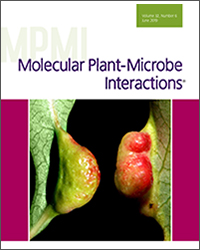
June 2019 MPMI Cover

Beginning this month, Molecular Plant-Microbe Interactions (MPMI) will significantly reduce the fees paid by IS-MPMI and APS members who publish in the journal.

“This will further strengthen MPMI as a member journal of both IS-MPMI and APS,” said Nik Grunwald, chair of the APS publications board. “Members of both societies already receive member discounts on personal subscriptions to MPMI and we’re happy we can acknowledge the importance of members who publish here.” This effort was initiated by MPMI editor-in-chief Jeanne Harris’s work with the APS publications board after discussions with the IS-MPMI board.

Article fees and subscriptions help offset the costs to publish and support some of the major improvements to MPMI, such as the recent site upgrade. “APS is always looking for ways to improve the functionality of our journal platform,” according to Grunwald.

Cost of a 12-page Paper with 5 Color Figures*
Before June 1, 2019: $2,360 (All authors)
After June 1, 2019: $1,080 (IS-MPMI Members)
*12-page paper example includes three color figures in print and five total color figures online.

IS-MPMI Interactions – Issue 3, 2019

ISMPMI 285 2 1955560 removebg preview

Issue 3

2019

interactions
Hailing Jin photoR(1)
An InterView with Dr. Hailing Jin
Dr. Hailing Jin is the Cy Mouradick Endowed Chair and Professor of Genetics at The Institute of Integrative and Genome Biology, University of California (UC), Riverside. This interview discusses her work on plant–pathogen interactions with emphasis on cross-kingdom RNA interference and small RNA trafficking between plants and fungi.

Did You Know

Ann Lichens Park, USDA-NIFA, is a 2019 Fellow of The American Phytopathological Society (APS). This interview discusses her work in plant pathology and what advice she has for young scientists aspiring to achieve the level of science that has major impact in the field.
The award winner discusses his involvement with cloning one of the first NLR immune receptors that confers resistance to a virus in Barbara Baker’s group.
The prize celebrates excellent science in the study of plant disease biology and its application in the protection of plants against pathogens.
Dr. Belkhadir received the award along with colleague Corinna Dawid. Both Belkhadir and Dawid worked as a team to study plant immune responses.
The poster sessions at this year’s IS-MPMI Congress in Glasgow, Scotland, spotlighted just some of the amazing work that’s being done by the society’s members.
The goal of the workshop was to help each participant develop a 2-minute “elevator talk” that could be used to introduce a research project to a general audience.
News
We are always looking for content for Interactions. This issue contains examples of the types of pieces you will continue to see going forward. Members with questions or ideas should contact Interactions Editor-in-Chief Dennis Halterman.

​An Interview with Dr. Hailing Jin

ISMPMI 285 2 1955560 removebg preview

Issue 3

2019

interactions

Did You Know

This InterView with Hailing Jin, Professor of Genetics at the University of California-Riverside, was conducted by Sowmya Ramachandran, a PhD candidate in the Department of Plant Pathology at Washington State University. If you are interested in completing your own InterView, please contact​ Interactions Editor-in-Chief Dennis Halterman.

Hailing Jin photoR(1)

Dr. Hailing Jin is the Cy Mouradick Endowed Chair and Professor of Genetics at The Institute of Integrative and Genome Biology, University of California (UC), Riverside. Her group works on plant–pathogen interactions with emphasis on cross-kingdom RNA interference and small RNA trafficking between plants and fungi.

Sowmya Ramachandran (SR): Thank you for giving me the opportunity to speak with you today. I would like to know what motivated you to enter plant science and eventually establish a program on host–pathogen interactions?

Hailing Jin (HJ): When I was young, my grandpa used to grow flowering plants at home. The beautiful and vivid flowers of jasmine and chrysanthemum attracted me toward plants from a very young age. More specifically, my interest in small RNAs started to develop when I was a post-doc at John Innes Center while studying transcription factors and gene regulation. Around this time, Andrew Fire and Craig Mello discovered RNA interference (RNAi) in Caenorhabditis elegans. A year later, David Balcombe, then a scientist at Sainsbury Laboratory, published a seminal study on posttranslational gene silencing, and together with Craig and Mello’s work, this opened up a new area of research. So, when I joined Barbara Baker’s lab at UC Berkeley Plant Gene Expression Center (PGEC), I utilized the RNA interference-based approach—specifically, virus-induced gene silencing to dissect the signaling transduction pathway of the N gene-mediated resistance to Tobacco mosaic virus in Nicotiana tabacum and N. benthamiana, which piqued my interest for small RNA-mediated gene regulation. By 2004, when I started my own lab at UC Riverside, studies had established the role of small RNAs in development, but very few had looked at their involvement in other processes, especially biotic stress responses. Combining my expertise in gene silencing and gene regulation in plants, I wanted to explore the role of small RNAs in plant–microbial interaction. I was particularly interested to understand plant endogenous small RNA silencing during bacterial and fungal infections. At the time, this was a unique niche and not many scientists were working in this area.
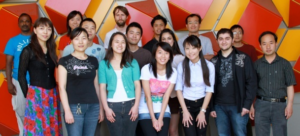
Hailing jin lab

SR: Do you see small RNAs as effective management tools for plant diseases?

HJ: Yes, this is something our group is excited about. Now we can generate double-stranded RNAs or small RNAs that target fungal virulence genes in the plant. These small RNAs can be delivered into the plant and then enter the fungus to silence specific target genes. This strategy also allows us to custom design constructs for controlling diseases in different regions and against different pathogens at the same time. For example, if Botrytis and Sclerotinia are major pathogens in California, we can design constructs to target essential fungal genes, like Dicers, and control both diseases at the same time. The study was published in Nature Plants in 2016. Basically, now we can generate transgenic plants that can target multiple pathogens based on our needs in different regions and different seasons. But at the same time, transgenic plants and GMOs are still a technical challenge for many crops, such as tree crops, vegetables, and flowers, and some require a long time. It is also a concern for consumers in many regions of the world. So in this case, it would be ideal to develop an ecofriendly, easy-to-use, and non-GMO way to combat plant diseases. This led us to discover RNA uptake by fungal pathogens.

Over the years, people have observed that Caenorhabditis elegans and other nematodes can take up RNAs from the environment. Since nobody had shown this for fungal cells, our group decided to give it a try. We put Botrytis spores on plates containing fluorescence-labeled RNA and saw RNA being efficiently taken up into fungal cells. This allowed us to use synthetic double-stranded RNAs or small RNA duplexes in the form of sprays on the plants or postharvest products, including vegetables, flowers, and fruits. This strategy offers an ecofriendly and natural alternative to fungicides. These small RNA fungicides will eventually degrade in the soil and leave no toxic residues, unlike chemical fungicides. They can also be designed in a way that they hardly have any off-target effect and at the same time be more durable. As most fungi have already developed complete or partial resistance to fungicides, there is an urgent need to develop a new generation of fungicides. So I think this discovery of RNA uptake will lead to development of a new class of RNA-based, ecofriendly fungicides.

SR: Through your research on Botrytis and cross-kingdom RNA, you show small RNAs can act as effectors that interfere with host processes, similar to protein effectors. Is it possible to develop resistance to small RNAs in the pathogen?

HJ: There are several ways for pathogens to develop resistance to RNAi. One is to change the sequence of the RNA to escape RNAi. But we now know that small RNAs can tolerate many mismatches in their target region. We can also overcome this by targeting essential genes, which cannot mutate rapidly owing to the importance of protein functions. Another strategy that may be employed by the pathogens is to kick out their RNAi machinery. However, this will depend on the genome complexity of the pathogen, like the presence of transposons, and the importance of the RNAi machinery in the pathogen’s growth and defense. A third way of developing resistance is through eliminating the RNA uptake pathway. However, since RNA uptake is an important nutrient acquisition strategy, removing this pathway may not be feasible for the pathogen. Based on this, it seems it will be harder for pathogens to develop resistance to small RNA fungicides. These are some possibilities I can think of currently, based on which it will be harder for pathogens to develop resistance to small RNA fungicides. Even otherwise, we routinely use more than 100 bps dsRNA fragment for one gene, so even if there are a few mutations in this region, there is still enough homology to silence that gene. We also use a mix of small RNAs targeting multiple genes, which should make it harder for the fungus to develop resistance to the small RNAs.
Hailing Jin lab 2

 SR: Since RNA is unstable in nature, how do you suppose small RNAs will remain stable when delivered in the field?

HJ: Our group recently published a paper in Science in which we reported that fungi can take up small RNA-containing extracellular vesicles from the plant hosts. This process is very efficient, as within 2 hours of delivery, all the vesicles are taken up by the fungus. Based on this finding, we are developing a way to package small RNAs into artificial vesicles to prolong its life in the environment and also increase the fungal uptake. Also, Neena Mitter’s lab at the University of Queensland, Australia, has developed nanoparticles that can increase the stability of these small RNAs and protect them. We are now collaborating with Neena’s lab to come up with formulations that will best protect these small RNA fungicides in the fields.

SR: RNAi machinery is under sophisticated regulation to ensure precise functions in growth and defense. Your lab recently found that Arabidopsis Argonaute 2 (AGO2) is regulated through arginine methylation upon bacterial infection. How does arginine methylation-mediated dual regulation modulate plant defense? 

HJ: This is an interesting question. In a recent paper published in Nature Communications, we show that the RNAi machinery is under a very sophisticated regulatory control. We have shown that Arabidopsis AGO2 protein is regulated by posttranslational modification. Quite a few years ago, our lab discovered that AGO2 protein is the only AGO in Arabidopsis that is highly induced by bacterial infection. In case of miR393, we know that it targets auxin receptors as well as functions in plant defense. We found that miR393 is loaded into AGO1, while the other strand of miR393 duplex, miR393*, is loaded into AGO2. This miR393* version can target a SNARE protein to promote secretion of pathogenesis-related protein PR1. Although we know AGO2 play an essential role in plant defense against bacterial pathogens, their regulation is poorly understood. To this end, our group recently found that the N-terminal of AGO2 has arginine-glycine (GR/RG) repeats. The arginine residues of these repeats are methylated by protein arginine methyltransferase 5 (PRMT5). This modification can lead to a dual regulation of AGO2: one leading to AGO2 degradation and another to recruit Tudor-domain proteins (TSNs), which degrade AGO2 bound to small RNAs.

Under normal conditions, when plants don’t need immune responses to be activated, this mechanism can dampen AGO2-mediated plant immunity. However, upon bacterial infection, PRMT5 is down-regulated and the arginine methylation is reduced so AGO2 proteins can be accumulated to a high level, along with AGO2-associated small RNAs. Together, this dual regulation of AGO2 can precisely modulate RNAi and immune responses during infection.

SR: Based on your experience as a professor and a biologist, can you identify some qualities that are needed to be successful in this field?

HJ: To be successful in science, one needs to have passion and dedication for their work. If you love what you are doing, you will invariably do a good job! Personally, I feel motivated when my work can benefit the environment and the society in some way. If I can help the world through my work and through my teaching, then my time is well spent and my life is meaningful! My work with plant protection and disease resistance, such as developing environmental-friendly fungicides, seems fulfilling, as it can directly help the planet.
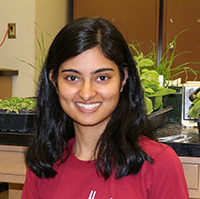
Sowmya MPMI

 SR: Thank you very much for your time. It was fascinating to know more about your research. I am sure your inspiring words will be valuable to young scientists aspiring to careers in plant biology.


Ann Lichens Park is a 2019 Fellow of The American Phytopathological Society (APS).

ISMPMI 285 2 1955560 removebg preview

Issue 3

2019

interactions

Did You Know

IMG 2725

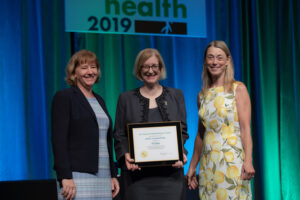
Ann Lichens Park, USDA-NIFA,(center, with President Kira Bowen and Immediate Past President Mary Palm) is a 2019 Fellow of The American Phytopathological Society (APS). This honor recognizes distinguished contributions to plant pathology in one or more of the following areas: original research, teaching, administration, professional and public service, and extension and outreach.

1. What area(s) of molecular plant-microbe interactions do you feel your work has impacted most?

When I first started working for the U.S. Department of Agriculture (USDA) in the early 1990’s, genomics was just beginning to infiltrate the agricultural sciences. By the late 1990’s, only a small number of agriculturally relevant microorganisms had been sequenced. From 2000 to 2009, along with colleagues at the National Science Foundation (NSF), I administered a Microbial Genome Sequencing competitive grants program that supported the sequencing of well over a hundred agriculturally relevant microorganisms. As a National Program Leader at USDA’s National Institute of Food and Agriculture (NIFA), I have a “bird’s eye view” of the leading edge of plant-microbe interactions. It has been thrilling to see how the work supported in the Microbial Genome Sequencing Program has advanced both basic and applied science related to plant pathology and to interactions between plants and beneficial microbes. It has turned plant pathogens that were very difficult to work on into “model systems.” More generally, it has been a privilege to be able to observe the impact of genomic sciences on agriculture.

2. What advice do you have for young scientists aspiring to achieve the level of science that has major impact?

Whether a young scientist’s research is basic, applied or both, she or he should keep in mind the work’s potential to improve people’s lives. The connection between a scientist’s work and the people who benefit from it may be direct or indirect. It may benefit people by improving the health of the environment in which we all live or the other creatures that share our environment.The work may have impact in the short-term or in the long-term. Keep thinking about how that impact might be achieved.

3. When you were a postdoc, what had the largest influence on your decision to join NIFA (CSRS)? Was there a “hot topic” that you considered researching instead?

I enjoy focusing on the “big picture” and my job allows me to do that. Molecular biology and genomics have always been areas of science that have captured my interest. It is fascinating to learn about the clever ways that plants and microorganisms overcome the challenges that they face in order to survive.

Scroll to Top