Registration is open for the APS Annual Meeting, Plant Health 2022, taking place August 6–10 in Pittsburgh, PA. Don’t miss this in-person meeting and the opportunity to network with plant
pathologists and explore the profound changes in plant health research being driven by transformations in climate, technology, and society. We hope you can join us for this exciting event! Learn more and register.
InterStellar: Dr. Martin and Dr. Meyers Elected to National Academy of Sciences
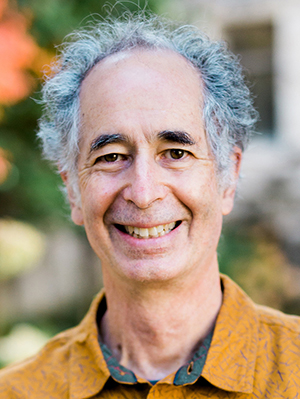
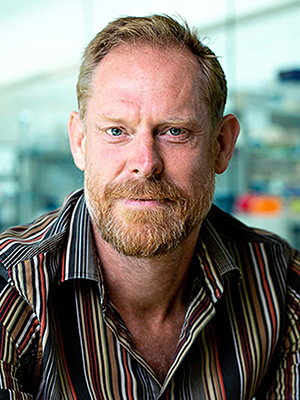
IS-MPMI members Dr. Greg Martin and Dr. Blake Meyers have earned membership in the prestigious U.S. National Academy of Sciences. NAS recognizes achievement in science by election to membership and, with the National Academy of Engineering and National Academy of Medicine, provides science, engineering, and health policy advice to the federal government and other organizations.
Dr. Blake Meyers holds joint appointments at the Donald Danforth Plant Science Center
and the University of Missouri-Columbia. He has been widely recognized for his major research contributions in the field of disease resistance, small RNAs, and evolutionary biology. Dr. Ajayi Olaoluwa Oluwafunto recently interviewed Dr. Meyers, asking several questions related to his research, lab, and thoughts on various topics important to junior scientists.
On June 8 and 9, IS-MPMI held the first of two virtual Early Career Showcases to highlight the outstanding work being done by our junior members. The June showcase was moderated by Dr. Morgan Carter and Dr. Kevin Cox, featured the work of 15 graduate students and postdocs, and included discussions on a wide variety of topics.
Registration is open for the upcoming APS Annual Meeting, Plant Health 2022, August 6–10, in Pittsburgh, PA. Don’t miss this in-person meeting and the opportunity to network with plant pathologists. We hope you can join us for this exciting event!
We are always looking for content for Interactions. Please contact Interactions Editor-in-Chief Dennis Halterman with questions or article ideas.
InterStellar: Dr. Martin and Dr. Meyers Elected to National Academy of Sciences
IS-MPMI members Dr. Greg Martin and Dr. Blake Meyers have earned membership in the prestigious U.S. National Academy of Sciences. NAS recognizes achievement in science by election to membership and, with the National Academy of Engineering and National Academy of Medicine, provides science, engineering, and health policy advice to the federal government and other organizations.
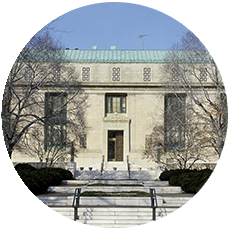
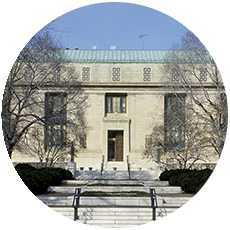
Photo: Carol M. Highsmith, public domain, via Wikimedia Commons
Dr. Blake Meyers holds joint appointments at the Donald Danforth Plant Science Center
and the University of Missouri-Columbia. He has been widely recognized for his major research contributions in the field of disease resistance, small RNAs, and evolutionary biology. Dr. Ajayi Olaoluwa Oluwafunto recently interviewed Dr. Meyers, asking several questions related to his research, lab, and thoughts on various topics important to junior scientists.
On June 8 and 9, IS-MPMI held the first of two virtual Early Career Showcases to highlight the outstanding work being done by our junior members. The June showcase was moderated by Dr. Morgan Carter and Dr. Kevin Cox, featured the work of 15 graduate students and postdocs, and included discussions on a wide variety of topics.
Registration is open for the upcoming APS Annual Meeting, Plant Health 2022, August 6–10, in Pittsburgh, PA. Don’t miss this in-person meeting and the opportunity to network with plant pathologists. We hope you can join us for this exciting event!
We are always looking for content for Interactions. Please contact Interactions Editor-in-Chief Dennis Halterman with questions or article ideas.
In order to include the viewpoints of our members-in-training in society decision making and congress planning, the IS-MPMI Board of Directors (BOD) has added two junior members. The BOD received applications from several impressive candidates from around the globe and evaluated each based on excellence in scholarship and training, collaboration within the society, leadership at his or her institution, and outreach within his or her community. We are pleased to welcome Priya Sengupta and Goodluck Benjamin to the board! Read further for more about Priya and Goodluck.
Priya Sengupta
I am a doctoral researcher at the Institute for Plant sciences/CEPLAS, University of Cologne in Germany. I received my master’s degree in botany from University of Calcutta, India, in 2017. Afterward, I moved to Germany to pursue my doctoral degree in the lab of Prof. Gunther Doehlemann at the University of Cologne. At the moment, I am conducting my Ph.D. research on the topic of microbial antagonism on the Arabidopsis thaliana phyllosphere.
Aside from active research, I enjoy doing science communication and outreach, so I can often be found in a crowded marketplace or pub discussing plant–microbe interactions.
I look forward to serving as a junior board member for IS-MPMI and as the voice of early-career researchers.
Goodluck Benjamin
Hi! I am Goodluck, a Ph.D. student in the labs of Pierre Frendo and Marylene Poirie at INRAE/Université Côte d’Azur, France, and I am thrilled to join the IS-MPMI BOD as a junior member. Using multi-omics strategies, I investigate how the symbiotic interaction between nitrogen-fixing bacteria and legumes protect legumes against infestation from herbivores such as the pea aphid. I have a bachelor’s degree in microbiology and a master’s degree in biocontrol solutions for plant health from Babcock University, Nigeria, and Université Côte d’Azur, France, respectively. I started my career in plant science and plant–microbe interaction at the International Institute of Tropical Agriculture (IITA), where my work centered around developing and applying phytosanitary measures, as well as collection and conservation of healthy virus-free collections of tropical clonal crop Dioscorea (yam). I have been fortunate to study plant–microbe interactions from both pathologic and symbiotic perspectives, as this has greatly increased my knowledge and appreciation of the field.
When I’m not being a scientist, I am a virtual football (soccer) manager of whatever club I’m coaching on Football Manager (FM), as I am an ardent gamer and a lover of the beautiful game of football. I am also passionate about food and cooking, as well as having conversations on subjects centering around philosophy, politics, science in general, society, and religion.
As a young scientist from Nigeria, I have always been interested in the development of science and seeing to the participation of other young scientists with backgrounds similar to myself in the practice of basic and applied sciences, which seems to be a declining and underappreciated field in Nigeria. This led to the cofounding of the Science-Space Initiative (Sci-Space), a nonprofit started with a group of young Nigerian scientists to spear head the promotion of STEM within the Nigerian science and education space. We also look to serve as a resource community for young and budding scientists, as well as pique the interest of younger science students at grassroot science levels.
I joined IS-MPMI in a bid to increase my participation within the STEM community and to connect and interact with other scientists within the field. Over the past two years, I have been involved in the planning and execution of events on the platform of IS-MPMIConnect, and I have attended various talks, both scientific and nonscientific, on IS-MPMI. Coming onboard as a member of the IS-MPMI BOD fully aligns with my interests in science promotion and participation by early-career scientists in science communities. I present the BOD with a diversity of ideas and personality, as I come from a minority group with a diverse view of scientific involvement. I will propose and develop ideas to increase collaboration across various countries with differing socio-economic statuses to enrich our scientific community. Recognizing that much has been done on these subjects by our society in the last couple of years, much more can still be done to bridge the gap in involvement and outreach to other untapped communities. Together with other IS-MPMI members, I would like to work on better and more efficient strategies to better impact our society.
I look forward to the advancement of the brilliant research society that is our IS-MPMI.
It is with great pleasure that I send you my first update as IS-MPMI president. I want to start by giving my heartfelt thanks to Mary Beth Mudgett, who served as president from July 2019 through June 2022, a three-year period that presented enormous challenges to IS-MPMI, with the canceling (twice!) of our 2021 in-person congress in JeJu, Korea, and a rapid pivot to a series of virtual meetings that helped support us as a community of researchers during the pandemic. This pivot would not have been possible without the vision and hard work of Mary Beth. I would also like to thank Jeanne Harris, editor-in-chief of our society journal MPMI and IS-MPMI Board member. Thanks to Jeanne’s determination and vision, MPMI has undergone a transformation under her tenure, becoming a Gold Open Access journal with outstanding visibility among the MPMI community. The series of free webinars featuring MPMI authors launched by Jeanne has been extremely successful, highlighting exciting research and promoting the careers of our authors.
IS-MPMI is run by a Board of Directors, which elects its own officers (president, treasurer, and secretary), with officers usually changing every two years, coinciding with our biannual in-person congress. Due to the cancellation of the 2021 congress, Mary Beth stayed on an extra year, focusing on our virtual symposia, including the recent Early Career Showcase. Mary Beth, thus, led the organizational efforts for multiple virtual meetings, representing a huge effort. Thank you, Mary Beth, for all that you have done for the IS-MPMI community! I also thank our entire board for their service, especially our junior board members, Patricia Baldrich (Donald Danforth Plant Science Center) and Charles Roussin-Leveille (Universite de Sherbrooke), who have brought lots of energy and new ideas to the board over the last three years. Indeed, the addition of junior members to the board has worked so well, we recently added two new junior board members, Priya Sengupta (University of Cologne) and Goodluck Benjamin (INRAE/Université Côte d’Azur). Both have been very active in science outreach, and we look forward to their contributions going forward.
The primary activity of IS-MPMI is planning for our biannual in-person congress. We are now in the thick of planning for 2023 IS-MPMI XIX, which will be held in Providence, RI, USA, July 16–20. Please mark your calendars for our first in-person meeting since Glasgow in 2019. We will be announcing our keynote and plenary speakers for this meeting in late September with the launch of the congress website.
New for the 2023 IS-MPMI Congress, we will be inviting proposals from the entire IS-MPMI community for concurrent sessions. By engaging all of you in our meeting planning process, we expect to generate a diverse and exciting lineup of concurrent sessions. We will also be encouraging new formats for these sessions, moving beyond a lineup of short PowerPoint presentations to formats that encourage active participation by attendees. We are really looking forward to seeing the proposals generated by you, the IS-MPMI community. Be on the look-out for the call for proposals in September.
This change aligns with IS-MPMI’s participation in the NSF-funded ROOT&SHOOT research coordination network (RCN), which includes six other plant-focused scientific societies. Together, our goal is Rooting Out Oppression Together and SHaring Our Outcomes Transparently. As part of this effort, we will be examining all aspects of our congresses to make them more inclusive and welcoming to all.
Although the bi-annual meeting is a focus of our activities, membership in IS-MPMI provides many benefits beyond a discount to our meetings and publishing in MPMI, including access to our online community, IS-MPMIConnect, and our newsletter, IS-MPMI Interactions. If you have not already checked them out, please do so. If you are not already a member, or if your membership has lapsed, you can join/renew here.
Thank you for reading this long update. I look forward to serving IS-MPMI in the coming year and keeping you updated on IS-MPMI 2023. And, I especially look forward to seeing most of you in person in Rhode Island next July!
Sincerely,
Roger Innes, IS-MPMI President
Distinguished Professor of Biology
Indiana University Bloomington
To recognize the work of early-career scientists, the MPMI Editorial Board has implemented a new award series to honor the best papers published by student first authors. For 2021, the first place award goes to Kyungyong Seong for his paper “Computational Structural Genomics Unravels Common Folds and Novel Families in the Secretome of Fungal PhytopathogenMagnaporthe oryzae.” Jeanne Harris, MPMI editor-in-chief writes, “The approach using structure modeling to identify effector families by their folded shape, rather than amino acid sequence, opens up a world of possibilities, not only in identifying new effectors, but also in understanding the evolution of effector families and functions, and, in the future, as a tool in immune receptor engineering. In addition, the paper was clearly and logically written, with implications and future uses of this approach clearly visualized and explained.” Kyungyong will present his work in the What’s New in MPMI Virtual Seminar Series in November. You can also learn more about Kyungyong and his work below.
Current Position: A third-year graduate student in the Ksenia Krasileva Lab at the University of California, Berkeley.
Education: B.S. degree in bioengineering at the University of California, Berkeley.
Brief Bio: I started my study in plant immunity as an undergraduate student in Dr. Brian Staskawicz‘s lab at the University of California, Berkeley. My first project involved analyzing intracellular immune receptors (NLRs) across wild tomato species collected from South America. I was soon absorbed in exploring the complexity of plant genomes and decoding the history of plant survival against pathogens. After finishing my B.S. degree, I continued my research for the next three years in Dr. Staskawicz’s lab in the Innovative Genomics Institute. I was influenced every day by great scientists with passion and diligence in their work and by the MPMI community striving to improve plant health. Eventually, I decided that I wanted to join the community as a genomics scientist to make contributions to plant pathology.
I started my Ph.D. program at UC Berkeley with my current supervisor, Dr. Ksenia Krasileva. We share the same viewpoint that interdisciplinary novel techniques could help elucidate diverse aspects of the plant–pathogen interaction. In our first lab meeting, I presented three ambitious goals I wanted to pursue in alignment with this vision: 1) elucidating effector evolution based on predicted structures; 2) engineering NLRs for novel recognition specificity against any effector targets; and 3) computationally predicting the interaction between effectors and their host targets. The computational structural genomics on the blast pathogen published in MPMI, together with the recently preprinted comparative study, completes the first chapter of my Ph.D. journey. I am happy to share the work with the community and am already excited for the new challenges I will soon encounter in protein design.
Two IS-MPMI members, Dr. Greg Martin and Dr. Blake Meyers, have earned membership in the prestigious U.S. National Academy of Sciences (NAS; http://www.nasonline.org). NAS is a private, nonprofit institution that was established under a congressional charter signed by President Abraham Lincoln in 1863. Currently, it has about 2,400 active members and 500 foreign associates. NAS recognizes achievement in science by election to membership and, with the National Academy of Engineering and the National Academy of Medicine, provides science, engineering, and health policy advice to the federal government and other organizations.
Dr. Blake Meyers
Dr. Greg Martin
Dr. Blake Meyers is a principal investigator and member at the Donald Danforth Plant Science Center and professor at the University of Missouri-Columbia. Dr. Meyers’ group leads development and application of high-throughput DNA sequencing technologies to make fundamental discoveries about the biology of plants, including mechanisms of disease resistance, function and regulation of genomes, epigenetic mechanisms, and regulatory RNA. You can read the InterView with Dr. Meyers conducted by Dr. Ajayi Olaoluwa Oluwafunto in the last issue of Interactions.
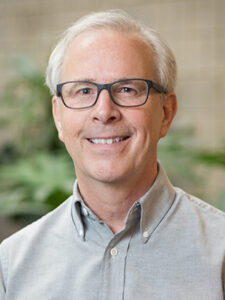
Dr. Greg Martin
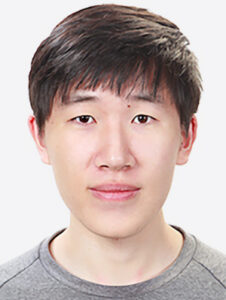
Haesong Kim
Dr. Greg Martin is the Boyce Schulze Downey Professor at the Boyce Thompson Institute (BTI) and a professor in the School of Integrative Plant Science (SIPS) at Cornell University. At BTI, researchers in Dr. Martin’s lab study the molecular basis of bacterial pathogenesis and the plant immune system. The long-term goal of his research is to use knowledge gained about the molecular basis of plant–pathogen interactions to develop plants with enhanced natural resistance to diseases.
Haesong Kim, Pohang University of Science and Technology, conducted an interview with Dr. Martin.
Q1. Much of your research focuses on Pseudomonas syringae pv. tomato and its recognition in plants. What drew your interest in the Pseudomonas–tomato interaction?
Dr. Martin: I became interested in plant disease resistance while doing research for my master’s degree in plant breeding. During that time, I spent a year in Malawi on a USAID-funded project to understand the biological and cultural forces that promoted the incredible genetic diversity seen in bean landraces in that country. As part of my work to study this diversity, I traveled all over the country, visited a lot of farms, and met with many subsistence farmers. That year there was a serious outbreak of halo blight disease on beans caused by Pseudomonas syringaepv.phaseolicola. The disease greatly reduced the bean harvest, and because this crop is a principal source of protein, it exacerbated the malnutrition of the farmers and their families. My interest in understanding plant–microbe interactions evolved from this experience. For my Ph.D. program, I studied the molecular basis of nitrogen fixation in Bradyrhizobium during its symbiosis with soybean. Around that time, it started to become apparent that the experimental resources and methods were becoming available to enable map-based cloning of genes in plants. When I started my postdoc position at Cornell with Steve Tanksley working on tomato, I was naturally drawn to using map-based cloning to go after a bacterial disease resistance locus. The Pto gene, which confers resistance to P. syringae pv. tomato, was known to be simply inherited and made a good target. Once Pto was identified, it opened up many questions about both bacterial pathogenesis and plant immunity, and that’s kept me and my lab members busy for many years since!
Kim: It is fascinating to me how your interest in your research started, since I had little chance to travel to other countries to actually experience plant diseases and the threats caused by them. Also, you had been through different fields of plant science before your research on tomato disease resistance. It seems all those experiences contributed to your work in the end. I hope your story motivates people to engage in different work and extend their research field.
Q2. Many young scientists have role models who encourage them to pursue their careers. Did you also have a role model when you were a young scientist? Or, are there any colleagues who inspired you on your current projects?
Dr. Martin: I’ve been inspired by many people in my life, some of them historical. I grew up within walking distance of Michigan State University, and my brothers and I spent a lot of time in the gardens and woodlots on that campus. An early inspiration for me was Liberty Hyde Bailey, who was an MSU botanist in the early 1900s. For a time, I attended Liberty Hyde Bailey School in East Lansing and grew up hearing stories about his love of plants and his role in establishing and preserving natural areas, including the Cornell Botanic Gardens, which is just a short walk from my office now. I also read about and admired William Beal, another MSU professor, a pioneer in the development of hybrid corn, and the founder of the MSU botanic gardens. Learning about these plant biologists and spending time in the natural areas on the MSU campus sparked my interest in plants. In the early years of my career, I was inspired by many scientists, including Fred Ausubel, Noel Keen, Chris Lamb, Luis Sequeira, Steve Tanksley, Mike Thomashow, and Bud Ryan, all of whom welcomed me into the field and gave me opportunities, advice, and encouragement at key points. I’ve benefited greatly from and been inspired by my colleagues in the tomato genomics field, including Zhangjun Fei, Jim Giovannoni, Lukas Mueller, Susan Strickler, Joyce Van Eck, and Dani Zamir. By far my greatest inspiration over the past 20 years has been my colleague Alan Collmer here at Cornell. Our first project together involved the sequencing of the P. syringae pv. tomato DC3000 genome and its initial characterization, and then over the years, we collaborated on a series of fun projects focused on the Pseudomonas–tomato interaction. Alan’s encyclopedic knowledge of plant-pathogen biology and insights about the field prompted me to extend some of my research to more bacterial-oriented questions. Most recently, I’ve been inspired by the great work of Jianmin Zhou (who happened to be my first postdoc) and Jijie Chai, whom I was fortunate to collaborate with many years ago when he was just starting to shift his attention to plant immunity. So, yes, I have been and continue to be inspired by a lot of people, and that has both motivated me and I hope made me a better scientist.
Kim: It would be extremely inspiring for you to have such a large number of people as your colleagues and collaborators! It also seems your interaction with those people led to fruitful results. I believe enabling the interactions between people would be one of the reasons why we keep a community like IS-MPMI after all. Community members are often eager to collaborate with people from distinct groups. In this sense, who or which group of scientists do you want to collaborate with in the future?
Dr. Martin: Looking forward, my lab will continue to strengthen our interactions with bioinformaticists since their knowledge and expertise are critical for our plans to use genome-enabled methods to identify novel genes underlying natural variations in plant immunity.
Q3. You have mentored numerous students and postdoctoral researchers during your career. What is your advice to early-career researchers for having successful interactions with their PI?
Dr. Martin: Well, it’s very important for there to be clear and agreed upon expectations on the part of both the principal investigator (PI) and the student or postdoc. In my case, over the years I’ve developed a one-page summary of my general expectations for postdocs and graduate students (which differ slightly). For both, this includes things like keeping up with the literature and acting in a collegial and supportive way with other lab members. For graduate students, I expect them to know and follow the guidelines of their graduate program, have regular meetings with their Ph.D. committee, and strike a good balance of coursework and research. For postdocs, I expect them to start developing a professional network, write the complete first draft of their papers, and attend and participate in at least one meeting per year. A recent trend that I think is great for postdocs, in particular, is to prepare an independent development plan (IDP). This gives them the opportunity to think about a comprehensive framework for what their career goals are and what specifically they want to accomplish in their postdoctoral training period. This document also helps the PI to understand and assist them in achieving these goals.
It’s also important to recognize that everyone has their own optimal way of communicating with others. In my group, we have regular lab meetings and also “focus” meetings that involve smaller groups in the lab that are working on a related project. I have one day per week when I offer my lab members the opportunity to meet with me one-on-one for 30 minutes or so. We might use the time for an update on their research, troubleshooting experiments, discussion of a paper, or talking about their professional development. These one-on-one meetings allow both me and my lab members to get to know each other better and to be proactive in addressing any opportunities or problems.
Kim: It is inspiring for me that you try to have clear documentation of expectations and plans, which I believe greatly help both you and your students. It is also inspiring that you respect different ways of communication and afford some time to have “focus” meetings, since I often find it hard to take the time to interact with other people. I believe all the ideas you shared here would be of considerable help to students, postdocs, and PIs.
Q4. Your long history of contributions to plant science research was recently recognized by the National Academy of Sciences. Among your achievements, which would benefit society most?
Dr. Martin: Most of my research has been focused on fundamental questions related to how bacteria infect plants and how the plant immune system inhibits bacterial infection. This kind of work can be viewed as laying the foundation for future applications, many of which we probably can’t anticipate now. I suppose my early work on map-based cloning contributed in various ways to the subsequent cloning of many resistance (R) genes and to the use of marker-assisted breeding to track R genes more easily in segregating populations. Currently, we’re most excited about the possibility of using certain R genes to confer multiple disease resistance (Mdr). There are a few examples of this in the literature, including the Ptr1 NLR gene that we originally identified as conferring resistance to race 1 strains of P. syringae pv. tomato. The Ptr1 protein detects the activity of the effector AvrRpt2, which occurs in all sequenced race 1 P. syringae pv. tomato strains, so it could be useful, along with Pto, in controlling bacterial speck disease. Homologs of AvrRpt2 occur in other plant pathogens, including Ralstonia solanacearum, and we showed that, in fact, Ptr1 also confers resistance to this pathogen, which causes bacterial wilt, an important disease of tomato. Remarkably, Prof. Kee Hoon Sohn‘s lab at POSTEC, South Korea, recently discovered that Ptr1 also mediates recognition of a diverse array of other effectors, including AvrB, AvrBsT, AvrRpm1, and HopZ5. In collaboration with Dr. Alex Schultink at Fortiphyte, CA, it was found that Ptr1 also confers resistance to Xanthomonasperforansexpressing AvrBsT, which causes bacterial spot disease. So, Ptr1 is an example of what we call an Mdr-NLR that could be broadly useful for controlling bacterial diseases of tomato. Ptr1 was cloned from Solanum lycopersicoides, a distant relative of tomato. In all tomato accessions we have looked at, Ptr1 is a pseudogene. This opens up the possibility of developing transgenic tomatoes expressing Ptr1 or of using CRISPR prime editing to “repair” the pseudogene. It’s this sort of translational work that will probably most directly benefit society, since it could lead to decreased use of chemical controls and better management of plant diseases.
Kim: It is sometimes easy to forget how fundamental science contributes to our society. Without addressing questions like you pointed out, it would be impossible to come up with enhanced control of plant diseases. Also, the Ptr1 project is truly inspiring! It is always fun to work with genes harboring great potential for practical use. I hope Ptr1-based crop protection proves to be useful for our society. I also look forward to seeing follow-up studies on Ptr1.
Q5. From the first identification of NLR genes to the solution of the resistosome structure, there have been large improvements in the field of plant immunity. Which directions do you think this field will expand into in the future?
Dr. Martin: This could be the subject of a lengthy review, and in fact, there are several out there on this important topic; it’s also addressed by the initiative to come up with and address the top 10 unanswered questions in MPMI. For me, one of the most exciting areas is the increasing use of structural biology approaches to understand how plants recognize pathogens and how that initial event is transmitted to activate the immune system. The discovery of the resistosome structure is a major step forward in this regard and will hopefully lead to new insights into how NLR proteins play a role in the proximal subsequent steps to activate immune signaling. Related to this question is the need to understand how the different aspects of the host immune system inhibit pathogen growth and disease formation. In my own lab, our future focus will be on the use of natural variation in cultivated and wild relatives of tomato and genome-enabled technologies to identify new components of the immune system. We are also interested in using genome editing to generate new variation to assist in the development of disease-resistant tomato varieties.
Kim: As a Ph.D. student, it is always encouraging to be reminded that there are still unanswered questions and that there are labs, including yours, eagerly aiming to answer those questions. I hope our field continues to grow and present more questions for new researchers.
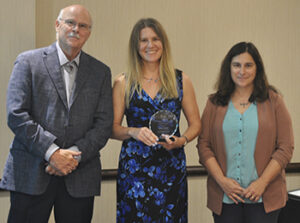
Dr. Gitta Coaker (center) receives the APS Noel T. Keen Award, with Dr. Mark Gleason (left) and APS Immediate Past President Dr. Amy Charkowski (right).
Dr. Gitta Coaker, University of California-Davis, received the Noel T. Keen Award from The American Phytopathological Society for research excellence in molecular plant pathology. Nominees have made outstanding contributions and demonstrated sustained excellence and leadership in research that significantly advances the understanding of molecular aspects of host–pathogen interactions, plant pathogens or plant-associated microbes, or molecular biology of disease development or defense mechanisms.
Q1. What area(s) of molecular plant–microbe interactions do you feel your research has impacted most?
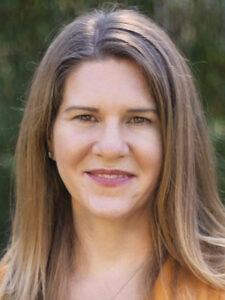
Dr. Gitta Coaker
Science is a team effort. I have been fortunate to work with bright and motivated scientists throughout my career. I am most proud of training the next generation of scientists, who are making impactful discoveries in a variety of career paths. My group studies a variety of plant–pathogen interactions, but our central research questions focus on plant immune signaling and pathogen effector biology. Our most impactful research over the years focuses on plant immune perception and signaling for both intracellular and surface-localized immune receptors. We have contributed to how plant NLR receptors recognize effectors and the role of kinases in fine-tuning plant immune responses.
Q2. What advice do you have for young scientists aspiring to achieve the level of science that has a major impact?
We are fortunate to be in a field with fascinating biological questions and clear links to the welfare of humankind. To make important discoveries, scientists need to study important problems. Science that has a major impact focuses on important biological questions and provides a foundational understanding that other groups use to drive research questions. I think it is important to always keep the biology of the plant and pathogen in mind. I encourage young scientists to spend time thinking about major unanswered questions or understudied areas in the field of plant–microbe interactions and how they fit with their expertise. It is also critical to always consider experimental design, controls, and reproducibility. Freely sharing reagents/materials, providing access to raw data/code, and posting preprints will also increase impact by allowing other scientists to validate and build upon discoveries.
Q3. When you were a postdoc, what had the largest influence on your decision to enter your specific research area in your permanent position? Was this a “hot topic” at the time, or did you choose to go in a different direction?
During my Ph.D. studies, my research focused on breeding for disease resistance in tomato. I dabbled in proteomics during the final year of my Ph.D. program and realized my passion for molecular plant pathology. I also benefitted from having excellent mentors in my Ph.D. (David Francis) and postdoc (Brian Staskawicz) programs. During my postdoc, I thought more deeply about my skill set and how I could contribute to answering important research questions. I brainstormed with Brian and other colleagues about future areas of research.
I was (and still am) fascinated with how plant immune receptors recognize pathogen invaders and how pathogen effectors drive host specificity. I get excited about mechanistic insights in plant–pathogen interactions. Plant immunity has always been a “hot topic” in MPMI, but it is also one of the keys to generating disease resistance in crops. I gained a lot of protein biochemistry experience as a postdoc and decided to focus on immune signaling when starting my lab at UC Davis. My group still studies immune signaling and effector biology. We have expanded the repertoire of plants and pathogens we investigate over time. I am also interested in the role of immunity and effectors in vectorborne disease and see this as an understudied area in MPMI.
It is with great pleasure that I send you my first update as IS-MPMI president. I want to start by giving my heartfelt thanks to Mary Beth Mudgett, who served as president from July 2019 through June 2022, a three-year period that presented enormous challenges to IS-MPMI, with the canceling (twice!) of our 2021 in-person congress in JeJu, Korea, and a rapid pivot to a series of virtual meetings that helped support us as a community of researchers during the pandemic. This pivot would not have been possible without the vision and hard work of Mary Beth. I would also like to thank Jeanne Harris, editor-in-chief of our society journal MPMI and IS-MPMI Board member. Thanks to Jeanne’s determination and vision, MPMI has undergone a transformation under her tenure, becoming a Gold Open Access journal with outstanding visibility among the MPMI community. The series of free webinars featuring MPMI authors launched by Jeanne has been extremely successful, highlighting exciting research and promoting the careers of our authors.
IS-MPMI is run by a Board of Directors, which elects its own officers (president, treasurer, and secretary), with officers usually changing every two years, coinciding with our biannual in-person congress. Due to the cancellation of the 2021 congress, Mary Beth stayed on an extra year, focusing on our virtual symposia, including the recent Early Career Showcase. Mary Beth, thus, led the organizational efforts for multiple virtual meetings, representing a huge effort. Thank you, Mary Beth, for all that you have done for the IS-MPMI community! I also thank our entire board for their service, especially our junior board members, Patricia Baldrich (Donald Danforth Plant Science Center) and Charles Roussin-Leveille (Universite de Sherbrooke), who have brought lots of energy and new ideas to the board over the last three years. Indeed, the addition of junior members to the board has worked so well, we recently added two new junior board members, Priya Sengupta (University of Cologne) and Goodluck Benjamin (INRAE/Université Côte d’Azur). Both have been very active in science outreach, and we look forward to their contributions going forward.
The primary activity of IS-MPMI is planning for our biannual in-person congress. We are now in the thick of planning for 2023 IS-MPMI XIX, which will be held in Providence, RI, USA, July 16–20. Please mark your calendars for our first in-person meeting since Glasgow in 2019. We will be announcing our keynote and plenary speakers for this meeting in late September with the launch of the congress website.
New for the 2023 IS-MPMI Congress, we will be inviting proposals from the entire IS-MPMI community for concurrent sessions. By engaging all of you in our meeting planning process, we expect to generate a diverse and exciting lineup of concurrent sessions. We will also be encouraging new formats for these sessions, moving beyond a lineup of short PowerPoint presentations to formats that encourage active participation by attendees. We are really looking forward to seeing the proposals generated by you, the IS-MPMI community. Be on the look-out for the call for proposals in September.
This change aligns with IS-MPMI’s participation in the NSF-funded ROOT&SHOOT research coordination network (RCN), which includes six other plant-focused scientific societies. Together, our goal is Rooting Out Oppression Together and SHaring Our Outcomes Transparently. As part of this effort, we will be examining all aspects of our congresses to make them more inclusive and welcoming to all.
Although the bi-annual meeting is a focus of our activities, membership in IS-MPMI provides many benefits beyond a discount to our meetings and publishing in MPMI, including access to our online community, IS-MPMIConnect, and our newsletter, IS-MPMI Interactions. If you have not already checked them out, please do so. If you are not already a member, or if your membership has lapsed, you can join/renew here.
Thank you for reading this long update. I look forward to serving IS-MPMI in the coming year and keeping you updated on IS-MPMI 2023. And, I especially look forward to seeing most of you in person in Rhode Island next July!
Sincerely,
Roger Innes, IS-MPMI President
Distinguished Professor of Biology
Indiana University Bloomington
In 2020, Dr. Giles Oldroyd, the Russell R Geiger Professor of Crop Science, director of the Crop Science Centre, and group leader at the Sainsbury Laboratory, University of Cambridge, was elected as a Fellow of the Royal Society. You can read the interview with Dr. Oldroyd in a past issue of Interactions. Leading up to the induction ceremony this summer, Dr. Oldroyd posted a Royal Society blog reflecting on his life experience as an openly queer person.