Category: Volume 4 • 2020

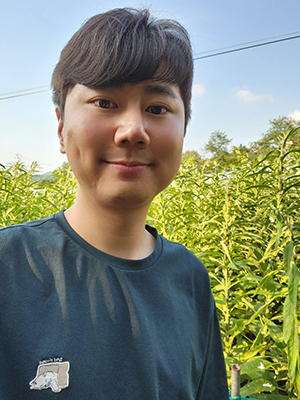
InterConnections: Get to Know Jacob Botkin

ISMPMI 285 2 1955560 removebg preview

Issue 1

2020

interactions

Did You Know

MPMI banner700

A Reference Genome Sequence Resource for the Sugar Beet Root Rot Pathogen Aphanomyces cochlioides

Annie Harvieux, UMN Plant Pathology Communications and Relations Coordinator

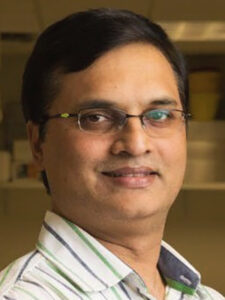
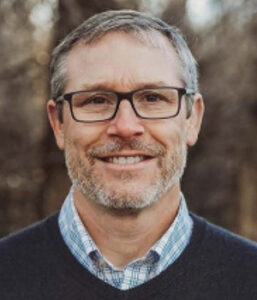
03InterConnections Botkin

From his undergraduate plant pathology internship to his work assembling and annotating the Aphanomyces cochlioides genome, Jacob Botkin‘s plant pathology career thus far has been a testament to versatility and embracing the unknown.

While interning in the University of Minnesota Plant Disease Clinic (PDC) during his bachelor’s degree program, Botkin discovered a love for examining plant samples and studying plant–microbe interactions. This great fit led to a subsequent job at the Forest Service research lab in St. Paul, MN, that was doing similar diagnostic work.

Botkin points out that what surprised him most when transitioning from coursework to the PDC was how much is still left to discover about plant health and plant genetics in particular. This theme of discovery held true as he pursued his master’s degree in plant pathology at the University of Minnesota under the guidance of Drs. Ashok Chanda and Cory Hirsch. During his master’s program Botkin picked up more skills on genome assembly and annotation, optimizing soil DNA isolations and qPCR-based detection of soilborne pathogens.

Minnesota is number one in the nation for sugar beet production, and sugar beet production is consistently challenged by A. cochlioides, especially during wet yearsTo sequence and annotate the A. cochlioides genome, Botkin unlocked an entirely new skill set through on-the-go learning and collaboration: computation and coding. Despite his lack of experience in this side of the work, Botkin was encouraged not to worry about it and to take on the new challenge. Botkin credits Dr. Hirsch, assistant professor of plant pathology, with giving him regular, detailed, and ongoing lessons in coding skills, as well as Hirsch’s plant genomics coursework. Spending summers at the Northwest Research and Outreach Center and pursuing opportunities to present this research to sugar beet stakeholders were also rewarding experiences for Botkin.

When the COVID-19 pandemic began and universities sent staff and students home, Botkin’s work continued. With his DNA sequence data in hand, Botkin was able to work from home and do the computational portion of the project utilizing the Minnesota Supercomputing Institute’s computing power. Botkin identifies this as the steepest part of the learning curve, particularly installing and configuring new software being used for plant pathogen genome assembly and annotation.

This growth has all paid off by adding versatility and adaptability to Botkin’s skills and career options. Beyond going from being a mild technophobe to being his new lab’s bioinformatic troubleshooter, Botkin now has a variety of skills that can take him from the computer desk to the lab to the greenhouse in a single project. This ability to work in a variety of environments and to pick up new skills and bring them into any subsequent environment has helped Botkin break the assumption that plant pathology is too niche of a career path and move into embracing the variety of skills, settings, and job options available for him.

Five New Assistant Feature Editors Support the MPMI Journal

ISMPMI 285 2 1955560 removebg preview

Issue 1

2020

interactions

Did You Know

In 2020, MPMI journal Editor-in-Chief Jeanne Harris and Associate EIC Tessa Burch-Smith spearheaded an effort to add assistant feature editors to the MPMI Editorial Board. These creative individuals have two-year appointments to explore new ways to present and amplify journal articles. After reviewing submissions from this year’s applicants, Harris invited Dominique HoltappelsSiva SankariAmelia LovelaceManish Tiwari, and Tiffany (Tiff) Mak to be assistant feature editors for MPMI.

Past Assistant Feature Editors Morgan CarterElizabeth Deyett, and Juan S. Ramirez worked on paper summaries for newsletters and press releases, helped with social media promotion, worked on the Microgreens podcasts, and wrote biographies for first authors.​

Meet the Assistant Feature Editors!

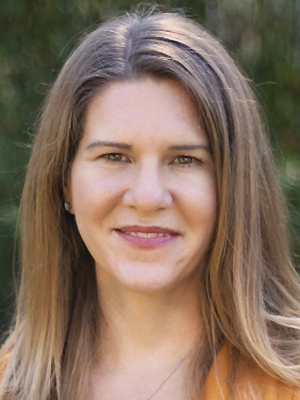
Dominique Holtappels

04SocNews AssistEds Holtappels
Postdoctoral Researcher
University of California-Berkeley, USA

1) Introduce yourself—your background, where you are now, and your current research focus.

Hi! I’m Dominique. I’m currently working as a postdoc at the Koskella Lab at UC Berkeley. Originally, I’m from Belgium, where I did my Ph.D. studies in bioscience engineering at the Laboratory of Gene Technology (KU Leuven) with Prof. R. Lavigne, focusing on the potential of bacteriophages as a biocontrol strategy to tackle bacterial diseases in several crops. In my current position, I’m looking into the effects of bacteriophage–bacterium coevolution on the bacterium–plant interaction, using pear trees as a model system. I’m also interested in how phages manipulate the microbial community in general and what role they play in the disease ecology of several diseases plaguing these trees. Want to learn more? Visit Twitter @Dominiqueholta1​ and https://holtappelsdominiqu.wixsite.com/dhltppls.​

2) Why did you apply to be an assistant editor?

I applied for the position of assistant features editor as I love making podcasts. They are the perfect medium for reaching a broad, scientifically minded audience and getting people interested in the beauty of microbes and their interactions with plants. There is more than meets the eye! In my role as assistant features editor, I want to translate novel and complex science into bite-sized information that is accessible to everyone—because, let’s be honest, who doesn’t want to learn about those nasty black hairs coming out of their favorite strawberries?

3) What do you hope to accomplish during your time as assistant editor, and what do you most look forward to in this position?

Helping people understand what we scientists do on a day-to-day basis and showing them that we are building toward a better future for the generations to come is what I want to achieve. We are not just doing science for the sake of knowledge. Our ideas and research lay the foundation for a better, more sustainable, and brighter future in harmony with our environment. Together with MPMI, we can build a community that educates people on the beauty and significance of our research. Let’s show them what we are working on in a comprehensive way and maybe, just maybe, inspire them to do the same!

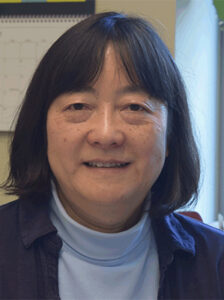
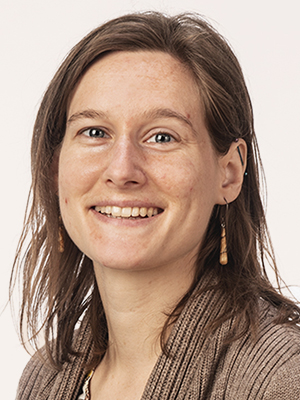
Amelia Lovelace
04SocNews AssistEds Lovelace

Postdoctoral Researcher
The Sainsbury Laboratory, UK

1) Introduce yourself—your background, where you are now, and your current research focus.

I’m Amelia Lovelace, a postdoctoral researcher at The Sainsbury Laboratory in Dr. Wenbo Ma‘s lab. I attended a small liberal arts college called Hood College in Frederick, MD, USA. I was first introduced to the field of plant–microbe interactions while in college, where I conducted my honors thesis project at the USDA-ARS in Fort Detrick, MD. I worked with highly pathogenic fungi called rusts in a BSL3 greenhouse that required me to wear scrubs and shower out of containment. I was in awe that something so tiny could be so devastating, and I wanted to learn more about these plant pathogens. I graduated in December 2020 with my Ph.D. degree in plant pathology at the University of Georgia. I worked in Dr. Brian Kvitko‘s lab, where I explored the mechanisms of plant immunity through bacterial monitoring. My current research at The Sainsbury Laboratory focuses on the effector biology of phloem-limited bacterial pathogens. Although these pathosystems are challenging, I find them truly fascinating!

2) Why did you apply to be an assistant editor?

Since moving from the United States to the United Kingdom, I’ve had to think about my field of research through a global lens. I applied to be an assistant editor because I am impressed by the creative ways that MPMI promotes and builds its international community. I want to be a part of these initiatives that aim to celebrate the communities’ achievements and diversity.

3) What do you hope to accomplish during your time as assistant editor, and what do you most look forward to in this position?

As an assistant features editor, I want to promote the fantastic work done by first authors and early-career scientists. Additionally, this will be a great opportunity to expand my knowledge on the plant–microbe interactions that fall outside of my own personal research interests. I want to expand my writing and creative skills by creating accessible, nontechnical summaries in both written and visual formats. I look forward to working with the editorial staff and getting behind-the-scenes experience on the inner working of a research journal.

Manish Tiwari

04SocNews AssistEds Tiwari

Postdoctoral Researcher
University of Wisconsin–Madison, USA

1) Introduce yourself—your background, where you are now, and your current research focus.

I am Manish Tiwari, a postdoctoral fellow in Prof. Jean-Michel Ane‘s Lab, Department of Bacteriology at the University of Wisconsin–Madison. I graduated with my Ph.D. degree from the National Institute of Plant Genome Research, India. I worked with Dr. Sabhyata Bhatia, and my study was focused on elucidating the regulatory mechanism of chickpea root nodule symbiosis involving cytokinin and small RNAs. This is where I was introduced to nitrogen fixation. Continuing the same background, I am currently working on deciphering the signaling cascade function between the plasma membrane and cytoplasm regulating root nodule symbiosis. I am ambitious about understanding the nitrogen fixation mechanism and engineering the same into cereals to reduce fertilizer dependency.

2) Why did you apply to be an assistant editor?

Research is fascinating and, simultaneously, a never-ending process in which you learn new things daily. My doctoral and postdoctoral work was mainly confined to beneficial plant–microbe interactions, thereby missing the required knowledge on the other side of plant–microbe interactions. As an assistant editor, there is an opportunity to come across intriguing research that will strengthen the knowledge I gained and accomplish what I missed. Additionally, there is an opportunity to learn about the publication process and promotion of published research in different interactive forms. As an assistant editor, I will have a platform to express my thoughts about published research and simplify them to resonate globally with authors and readers. The tenure as an assistant editor may also help me add the experience required to succeed in publishing while being in academia and editorial responsibilities if I come across them in the future.

3) What do you hope to accomplish during your time as assistant editor, and what do you most look forward to in this position?

I look forward to building a network with the authors and the editorial team responsible for the publication. In the process, I would like to learn all the intricacies behind the scenes before publication. I am also interested in being involved in the journal’s promotional events to highlight articles of significant interest and take them to a scientific and nonscientific audience. My motto during my tenure will be to present simplified science and promote it to a very general audience without jargon and technicalities. Ultimately, I aim to arouse the broad audience’s interest in science and bridge the gap between them and scientists. This position will help me gain the necessary exposure and experience to shape my career trajectory.

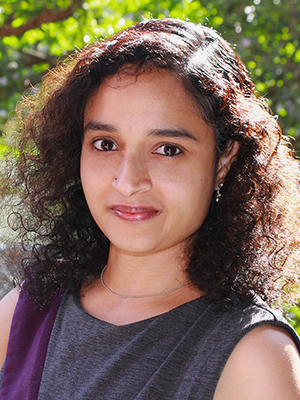
Siva Sankari
04SocNews AssistEds Sankari

Postdoctoral Researcher
Massachusetts Institute of Technology, USA

1) Introduce yourself—your background, where you are now, and your current research focus.

I am a postdoctoral research scientist in Dr. Graham Walker‘s lab, Department of Biology at the Massachusetts Institute of Technology. My work encompasses understanding the mechanisms of action of plant peptides that govern host–microbe interactions and translating them to pharmacological, diagnostic, therapeutic, and agricultural applications. During my graduate studies in Dr. Mark O’Brian‘s lab at the University at Buffalo, NY, I worked on understanding important mechanisms of iron import, trafficking, and export in the bacterium Bradyrhizobium japonicum when in symbiosis with soybean. That is when I started admiring how certain plants and microbes share resources and have evolved to coexist harmoniously. However, I was fascinated to learn that there are systems where the host becomes more manipulative and started working on Medicago–Sinorhizobium symbiosis during my postdoc. I was born and brought up in a small town in India and have first-hand experience in learning gaps (especially in science) experienced by first-gen students and those hailing from rural backgrounds. I am passionate about creating awareness of scientific research and developing scientific temperament among students hailing from less privileged backgrounds. When I am not doing science, I love spending time with my kid, singing and listening to Carnatic and light music, and gardening.

2) Why did you apply to be an assistant editor?

I am always intrigued by the various avenues MPMI has invested in, apart from being an excellent journal. Programs like author interviews, Microgreens podcasts, virtual seminar series, first-author bios, and interviews have been enlightening and have given me a real-world connection to the published articles. These initiatives build a sense of community among researchers and develop a “symbiotic relationship” between scientists from various backgrounds. I think these are very important for the next generation of students to develop a sense of belonging and choose plant–microbe research as a career. I also applaud MPMI‘s strong commitment to diversity. All of these initiatives align well with my passion to make science accessible to everyone, and that is why I want to join this team and contribute my best to these efforts.

3) What do you hope to accomplish during your time as assistant editor, and what do you most look forward to in this position?

I hope to write articles on first authors, on how the research unfolded in the lab, acknowledging the role of undergrads, etc. I also hope to contribute to converting complex research articles into simple summaries without jargon and at the same time preserving the intricacy of the research. I hope to bring out stories from scientists of diverse backgrounds and maintain MPMI‘s commitment to diversity, equity, and inclusion. I also hope to learn the nuances of scientific communication and improve my writing skills. The most exciting thing that I look forward to as an assistant features editor is to connect with scientists, talk to them about their research, and be a part of this community. I also look forward to connecting with undergraduate and graduate students in this community, learning about their needs and the obstacles they face, and will try to help them in my capacity through the community.

Tiffany Mak
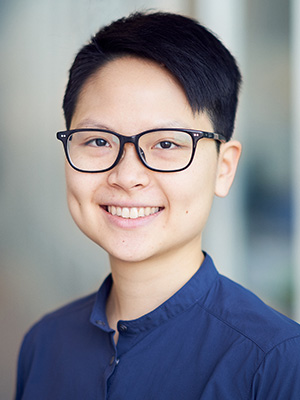
04SocNews AssistEds Mak

Postdoctoral Researcher
The Novo Nordisk Foundation Center for Biosustainability at the Technical University of Denmark (DTU), Denmark

1) Introduce yourself—your background, where you are now, and your current research focus.

I’m a postdoc at the Novo Nordisk Foundation Center for Biosustainability at the Technical University of Denmark (DTU). My current research areas of focus include 1) how microbes interact with each other to form communities in different ecological niches, from soil to fermented foods; 2) how we as humans interact with these communities; and 3) how these interactions, in turn, shape our food system. I studied Natural Sciences as an undergraduate at the University of Cambridge and subsequently moved to London for my Ph.D. studies at the Francis Crick Institute, where I mainly worked on understanding the coordination of protein synthesis and cell growth control using fission yeast as the model system.

You might be wondering, how did I go from cell biology research into looking at microbial communities and food systems? While I was working on my Ph.D. degree, I initiated some side projects with collaborators across various disciplines to look at how human activity, particularly in the areas of food consumption, impacted our global food system and ultimately the overall sustainability of the wider ecosystem. I became aware that just as all the processes within a cell are related to each other, our food system is also extremely interconnected, and the ways we produce and consume food have direct consequences, not only on our own health, but also that of our planet. Interestingly, a common theme that I found to relate to many different aspects, from agriculture to nutrition, was microbes(!), which is also what brought me here to Copenhagen to continue my research.

2) Why did you apply to be an assistant editor?

Working in highly multidisciplinary areas of research, I see science communication as having an essential role in not only the sharing of knowledge, but also the process of inquiring and generating itself. I was inspired by the range of activities that MPMI has committed to in engaging both specialists and nonscientific audiences, and I am motivated to be part of the team in continuing to expand these activities. I see it as my responsibility as a researcher to communicate and share specialist findings in an approachable manner, with the intention of creating open, inclusive, and equitable access to knowledge.

3) What do you hope to accomplish during your time as assistant editor, and what do you most look forward to in this position?

The ways in which people access information and knowledge these days often take on many different forms. During my time as an assistant features editor (AFE), I am keen to explore how we can share and also engage in discussions about new research findings, especially in the form of podcasts and other multimedia platforms. I would also like to take the opportunity to highlight some of the “behind the scenes” aspects of writing and journal publishing. Last, but certainly not least, I am excited to be working with the other AFEs and the core team at MPMI and continue to build a community that promotes diverse and inclusive research.

Personal website: https://www.tiffsmak.com

MPMI Releases a Timely and Critical Focus Issue

ISMPMI 285 2 1955560 removebg preview

Issue 1

2020

interactions

Did You Know

MPMI FI2022Banner700

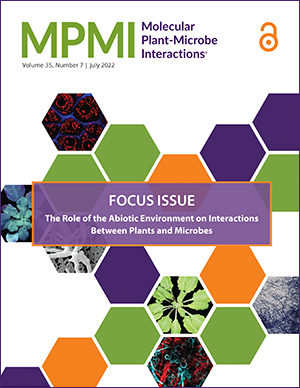
MPMI proudly presents a special focus issue addressing the #2 top unanswered research question identified by the MPMI scientific community: How do aspects of the abiotic environment affect plant–microbe interactions, and conversely, how do plant–microbe interactions affect host response to abiotic stress? The science presented is crucial to understanding how climate change affects plants on a microbial level and to protecting plant health.​

Volume 35, Number 7 / July 2022

MPMI FI2022 Cover
Focus on the Role of the Abiotic Environment on Interactions Between Plants and Microbes
J. M. Harris, J. Bede, and K. Tsuda

Plant–Microbiota Interactions in Abiotic Stress Environments
N. Omae and K. Tsuda

Impact of Future Elevated Carbon Dioxide on C3 Plant Resistance to Biotic Stresses
Q. Bazinet, L. Tang, and J. C. Bede

At the Crossroads of Salinity and Rhizobium–Legume Symbiosis
S. Chakraborty and J. M. Harris

Editor’s Pick: Recognition of Microbe- and Damage-Associated Molecular Patterns by Leucine-Rich Repeat Pattern Recognition Receptor Kinases Confers Salt Tolerance in Plants
E. P.-I. Loo, Y. Tajima, K. Yamada, S. Kido, T. Hirase, H. Ariga, T. Fujiwara, K. Tanaka, T. Taji, I. E. Somssich, J. E. Parker, and Y. Saijo

The Mechanosensitive Ion Channel MSL10 Modulates Susceptibility to Pseudomonas syringae in Arabidopsis thaliana
D. Basu, J. M. Codjoe, K. M. Veley, and E. S. Haswell

Drought Stress Exacerbates Fungal Colonization and Endodermal Invasion and Dampens Defense Responses to Increase Dry Root Rot in Chickpea
V. Irulappan, M. Kandpal, K. Saini, A. Rai, A. Ranjan, S. Sinharoy, and M. Senthil-Kumar

High Salt Levels Reduced Dissimilarities in Root-Associated Microbiomes of Two Barley Genotypes
A. Kherfi-Nacer, Z. Yan, A. Bouherama, L. Schmitz, S. Ouled Amrane, C. Franken, M. Schneijderberg, X. Cheng, S. Amrani, R. Geurts, and T. Bisseling

Salt- and Osmo-Responsive Sensor Histidine Kinases Activate the Bradyrhizobium diazoefficiens General Stress Response to Initiate Functional Symbiosis
J. Wülser, C. Ernst, D. Vetsch, B. Emmenegger, A. Michel, S. Lutz, C. H. Ahrens, J. A. Vorholt, R. Ledermann, and H.-M. Fischer

Temporally Regulated Plant–Nematode Gene Networks Implicate Metabolic Pathways
S. Mishra, O. Salichs, and P. DiGennaro

Special Highlight: Cold Exposure Memory Reduces Pathogen Susceptibility in Arabidopsis Based on a Functional Plastid Peroxidase System
T. Griebel, D. Schütte, A. Ebert, H. H. Nguyen, and M. Baier

As our climate changes, the rapidity of the changes in temperature and carbon dioxide levels and the many planetary processes that they affect, altering weather patterns and soil salinity among others, make it imperative for us to investigate their effect on plant–microbe interactions. In addition to investigating the effects of each of these stresses singly, these changes prompt us to ask questions of increasing complexity. What happens to plant–microbe interactions in the presence of more than one environmental stress? In the natural world, plants associate with more than one microbe at a time—how does abiotic stress affect interactions within the microbial community to affect plant health? And most importantly, how can we translate this increased understanding of the interactions between plants, microbes, and the environment to the field?

​​— Jeanne Harris, Jacqueline Bede, and Kenichi Tsuda, guest editors

Download and read the articles here.

Catch Up on MPMI Editor’s Picks from This Summer!

ISMPMI 285 2 1955560 removebg preview

Issue 1

2020

interactions

Did You Know

June

06EdPick June figure

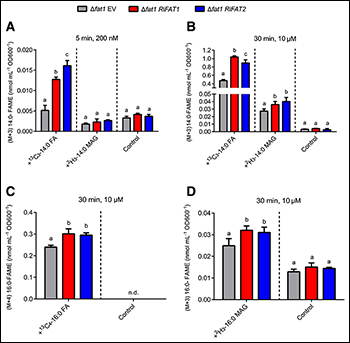
Two AMP-Binding Domain Proteins from Rhizophagus irregularis Involved in Import of Exogenous Fatty Acids

M. Brands and P. Dörmann

Since it is unknown how arbuscular mycorrhizal fungi (AMF) take up host-derived fatty acids, which they need for nutrients, Mathias Brands and Peter Dörmann describe the characterization of two AMP-binding domain protein genes from Rhizophagus irregularis with sequence similarity to Saccharomyces cerevisiae fatty acid transporter 1 (FAT1). Their results suggest the two proteins might be involved in fatty acid import into the fungal arbuscules in colonized roots.​

July

06EdPick July figure

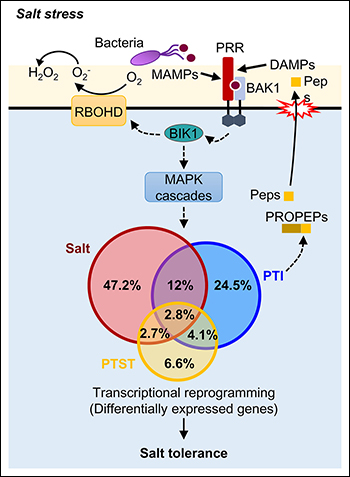
Recognition of Microbe- and Damage-Associated Molecular Patterns by Leucine-Rich Repeat Pattern Recognition Receptor Kinases Confers Salt Tolerance in Plants

E. P.-I. Loo, Y. Tajima, K. Yamada, S. Kido, T. Hirase, H. Ariga, T. Fujiwara, K. Tanaka, T. Taji, I. E. Somssich, J. E. Parker, and Y. Saijo

Eliza Loo et al. find that activation of MAMP/DAMP signaling by a broad array of signals primes the plant to tolerate subsequent salt stress, demonstrating integration of abiotic and biotic signals via a conserved BAK1/BIK1 signaling pathway. This example of a biotic signaling promoting subsequent tolerance of an abiotic stress reveals the complexity of interactions of plants with their living and nonliving environment and may open new avenues to promote plant health in the field.​

August

06EdPick Aug figure

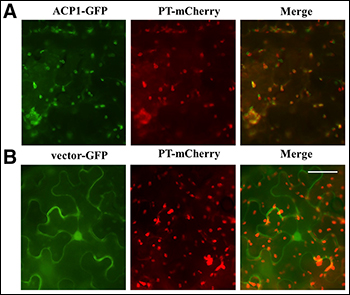
Involvement of Arabidopsis Acyl Carrier Protein 1 in PAMP-Triggered Immunity

Z. Zhao, J. Fan, P. Yang, Z. Wang, S. Obol Opiyo, D. Mackey, and Y. Xia

Acyl carrier proteins (ACPs) are central components of fatty acid (FA) synthesis. Zhenzhen Zhao et al. show that ACP1 influences plant immunity by maintaining the balance of defense hormones jasmonic acid and salicylic acid, providing a direct link between FA and lipid biosynthesis to plant immune responses. This opens up the possibility of engineering disease-resistant plant varieties by modifying the expression levels of ACP1 in economically important crops.​

MPMI Editorial Board Awards Best Student Papers for 2021

ISMPMI 285 2 1955560 removebg preview

Issue 1

2020

interactions

Did You Know

To recognize the work o​f early-career scientists, the MPMI Editorial Board has implemented a new award series to honor the best papers published by student first authors. For 2021, the first

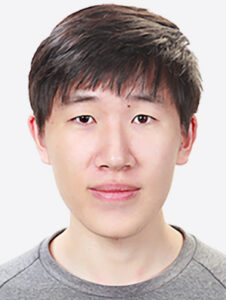
01SocNews PaperAward Seong

place award goes to Kyungyong Seong for his paper “Computational Structural Genomics Unravels Common Folds and Novel Families in the Secretome of Fungal Phytopathogen Magnaporthe oryzae.” Jeanne HarrisMPMI editor-in-chief writes, “The approach using structure modeling to identify effector families by their folded shape, rather than amino acid sequence, opens up a world of possibilities, not only in identifying new effectors, but also in understanding the evolution of effector families and functions, and, in the future, as a tool in immune receptor engineering. In addition, the paper was clearly and logically written, with implications and future uses of this approach clearly visualized and explained.” Kyungyong will present his work in the What’s New in MPMI Virtual Seminar Series in November. You can also learn more about Kyungyong and his work below.

The second place award for the top graduate student-authored MPMI paper goes to Zi-Hui Huang for the paper “A Small Cysteine-Rich Phytotoxic Protein of Phytophthora capsici Functions as Both Plant Defense Elicitor and Virulence Factor.”

The third place award goes to Takemasa Kawaguchi for the paper “AKSF1 Isolated from the Rice-Virulent Strain Acidovorax avenae K1 Is a Novel Effector That Suppresses PAMP-Triggered Immunity in Rice.”​

Name: Kyungyong Seong

Current Position: A third-year graduate student in the Ksenia Krasileva Lab at the University of California, Berkeley.

Education: B.S. degree in bioengineering at the University of California, Berkeley.

Brief Bio: I started my study in plant immunity as an undergraduate student in Dr. Brian Staskawicz‘s lab at the University of California, Berkeley. My first project involved analyzing intracellular immune receptors (NLRs) across wild tomato species collected from South America. I was soon absorbed in exploring the complexity of plant genomes and decoding the history of plant survival against pathogens. After finishing my B.S. degree, I continued my research for the next three years in Dr. Staskawicz’s lab in the Innovative Genomics Institute. I was influenced every day by great scientists with passion and diligence in their work and by the MPMI community striving to improve plant health. Eventually, I decided that I wanted to join the community as a genomics scientist to make contributions to plant pathology.

I started my Ph.D. program at UC Berkeley with my current supervisor, Dr. Ksenia Krasileva. We share the same viewpoint that interdisciplinary novel techniques could help elucidate diverse aspects of the plant–pathogen interaction. In our first lab meeting, I presented three ambitious goals I wanted to pursue in alignment with this vision: 1) elucidating effector evolution based on predicted structures; 2) engineering NLRs for novel recognition specificity against any effector targets; and 3) computationally predicting the interaction between effectors and their host targets. The computational structural genomics on the blast pathogen published in MPMI, together with the recently preprinted comparative study, completes the first chapter of my Ph.D. journey. I am happy to share the work with the community and am already excited for the new challenges I will soon encounter in protein design.

InterStellar: Interview with Dr. Greg Martin, Newly Elected Member of the National Academy of Sciences

ISMPMI 285 2 1955560 removebg preview

Issue 1

2020

interactions

Did You Know

Two IS-MPMI members, Dr. Greg Martin and Dr. Blake Meyers, have earned membership in the prestigious U.S. National Academy of Sciences (NAS; http://www.nasonline.org). NAS is

02InterStellar Martin
Dr. Greg Martin

a  private, nonprofit institution that was established under a congressional charter signed by President Abraham Lincoln in 1863. Currently, it has about 2,400 active members and 500 foreign associates. NAS recognizes achievement in science by election to membership and, with the National Academy of Engineering and the National Academy of Medicine, provides science, engineering, and health policy advice to the federal government and other organizations.​

Dr. Blake Meyers

Dr. Blake Meyers is a principal investigator and member at the Donald Danforth Plant Science Center and professor at the University of Missouri-Columbia. Dr. Meyers’ group leads

02InterStellar Kim
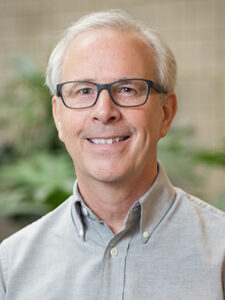
Haesong Ki​​​​m

development and application of high-throughput DNA sequencing technologies to make fundamental discoveries about the biology of plants, including mechanisms of disease resistance, function and regulation of genomes, epigenetic mechanisms, and regulatory RNA. You can read the InterView with Dr. Meyers conducted by Dr. Ajayi Olaoluwa Oluwafunto in the last issue of Interactions.

Dr. Greg Martin

Dr. Greg Martin is the Boyce Schulze Downey Professor at the Boyce Thompson Institute (BTI) and a professor in the School of Integrative Plant Science (SIPS) at Cornell University. At BTI, researchers in Dr. Martin’s lab study the molecular basis of bacterial pathogenesis and the plant immune system. The long-term goal of his research is to use knowledge gained about the molecular basis of plant–pathogen interactions to develop plants with enhanced natural resistance to diseases.

Haesong Kim, Pohang University of Science and Technology, conducted an interview with Dr. Martin.

Q1. Much of your research focuses on Pseudomonas syringae pv. tomato and its recognition in plants. What drew your interest in the Pseudomonas–tomato interaction?

Dr. Martin: I became interested in plant disease resistance while doing research for my master’s degree in plant breeding. During that time, I spent a year in Malawi on a USAID-funded project to understand the biological and cultural forces that promoted the incredible genetic diversity seen in bean landraces in that country. As part of my work to study this diversity, I traveled all over the country, visited a lot of farms, and met with many subsistence farmers. That year there was a serious outbreak of halo blight disease on beans caused by Pseudomonas syringae pv. phaseolicola. The disease greatly reduced the bean harvest, and because this crop is a principal source of protein, it exacerbated the malnutrition of the farmers and their families. My interest in understanding plant–microbe interactions evolved from this experience. For my Ph.D. program, I studied the molecular basis of nitrogen fixation in Bradyrhizobium during its symbiosis with soybean. Around that time, it started to become apparent that the experimental resources and methods were becoming available to enable map-based cloning of genes in plants. When I started my postdoc position at Cornell with Steve Tanksley working on tomato, I was naturally drawn to using map-based cloning to go after a bacterial disease resistance locus. The Pto gene, which confers resistance to P. syringae pv. tomato, was known to be simply inherited and made a good target. Once Pto was identified, it opened up many questions about both bacterial pathogenesis and plant immunity, and that’s kept me and my lab members busy for many years since!

Kim: It is fascinating to me how your interest in your research started, since I had little chance to travel to other countries to actually experience plant diseases and the threats caused by them. Also, you had been through different fields of plant science before your research on tomato disease resistance. It seems all those experiences contributed to your work in the end. I hope your story motivates people to engage in different work and extend their research field.

Q2. Many young scientists have role models who encourage them to pursue their careers. Did you also have a role model when you were a young scientist? Or, are there any colleagues who inspired you on your current projects?

Dr. Martin: I’ve been inspired by many people in my life, some of them historical. I grew up within walking distance of Michigan State University, and my brothers and I spent a lot of time in the gardens and woodlots on that campus. An early inspiration for me was Liberty Hyde Bailey, who was an MSU botanist in the early 1900s. For a time, I attended Liberty Hyde Bailey School in East Lansing and grew up hearing stories about his love of plants and his role in establishing and preserving natural areas, including the Cornell Botanic Gardens, which is just a short walk from my office now. I also read about and admired William Beal, another MSU professor, a pioneer in the development of hybrid corn, and the founder of the MSU botanic gardens. Learning about these plant biologists and spending time in the natural areas on the MSU campus sparked my interest in plants. In the early years of my career, I was inspired by many scientists, including Fred AusubelNoel KeenChris LambLuis SequeiraSteve TanksleyMike Thomashow, and Bud Ryan, all of whom welcomed me into the field and gave me opportunities, advice, and encouragement at key points. I’ve benefited greatly from and been inspired by my colleagues in the tomato genomics field, including Zhangjun FeiJim GiovannoniLukas MuellerSusan StricklerJoyce Van Eck, and Dani Zamir. By far my greatest inspiration over the past 20 years has been my colleague Alan Collmer here at Cornell. Our first project together involved the sequencing of the P. syringae pv. tomato DC3000 genome and its initial characterization, and then over the years, we collaborated on a series of fun projects focused on the Pseudomonas–tomato interaction. Alan’s encyclopedic knowledge of plant-pathogen biology and insights about the field prompted me to extend some of my research to more bacterial-oriented questions. Most recently, I’ve been inspired by the great work of Jianmin Zhou (who happened to be my first postdoc) and Jijie Chai, whom I was fortunate to collaborate with many years ago when he was just starting to shift his attention to plant immunity. So, yes, I have been and continue to be inspired by a lot of people, and that has both motivated me and I hope made me a better scientist.

Kim: It would be extremely inspiring for you to have such a large number of people as your colleagues and collaborators! It also seems your interaction with those people led to fruitful results. I believe enabling the interactions between people would be one of the reasons why we keep a community like IS-MPMI after all. Community members are often eager to collaborate with people from distinct groups. In this sense, who or which group of scientists do you want to collaborate with in the future?

Dr. Martin: Looking forward, my lab will continue to strengthen our interactions with bioinformaticists since their knowledge and expertise are critical for our plans to use genome-enabled methods to identify novel genes underlying natural variations in plant immunity.

Q3. You have mentored numerous students and postdoctoral researchers during your career. What is your advice to early-career researchers for having successful interactions with their PI?

Dr. Martin: Well, it’s very important for there to be clear and agreed upon expectations on the part of both the  principal investigator (PI) and the student or postdoc. In my case, over the years I’ve developed a one-page summary of my general expectations for postdocs and graduate students (which differ slightly). For both, this includes things like keeping up with the literature and acting in a collegial and supportive way with other lab members. For graduate students, I expect them to know and follow the guidelines of their graduate program, have regular meetings with their Ph.D. committee, and strike a good balance of coursework and research. For postdocs, I expect them to start developing a professional network, write the complete first draft of their papers, and attend and participate in at least one meeting per year. A recent trend that I think is great for postdocs, in particular, is to prepare an independent development plan (IDP). This gives them the opportunity to think about a comprehensive framework for what their career goals are and what specifically they want to accomplish in their postdoctoral training period. This document also helps the PI to understand and assist them in achieving these goals.

It’s also important to recognize that everyone has their own optimal way of communicating with others. In my group, we have regular lab meetings and also “focus” meetings that involve smaller groups in the lab that are working on a related project. I have one day per week when I offer my lab members the opportunity to meet with me one-on-one for 30 minutes or so. We might use the time for an update on their research, troubleshooting experiments, discussion of a paper, or talking about their professional development. These one-on-one meetings allow both me and my lab members to get to know each other better and to be proactive in addressing any opportunities or problems.

Kim: It is inspiring for me that you try to have clear documentation of expectations and plans, which I believe greatly help both you and your students. It is also inspiring that you respect different ways of communication and afford some time to have “focus” meetings, since I often find it hard to take the time to interact with other people. I believe all the ideas you shared here would be of considerable help to students, postdocs, and PIs.

Q4. Your long history of contributions to plant science research was recently recognized by the National Academy of Sciences. Among your achievements, which would benefit society most?

Dr. Martin: Most of my research has been focused on fundamental questions related to how bacteria infect plants and how the plant immune system inhibits bacterial infection. This kind of work can be viewed as laying the foundation for future applications, many of which we probably can’t anticipate now. I suppose my early work on map-based cloning contributed in various ways to the subsequent cloning of many resistance (R) genes and to the use of marker-assisted breeding to track R genes more easily in segregating populations. Currently, we’re most excited about the possibility of using certain R genes to confer multiple disease resistance (Mdr). There are a few examples of this in the literature, including the Ptr1 NLR gene that we originally identified as conferring resistance to race 1 strains of P. syringae pv. tomato. The Ptr1 protein detects the activity of the effector AvrRpt2, which occurs in all sequenced race 1 P. syringae pv. tomato strains, so it could be useful, along with Pto, in controlling bacterial speck disease. Homologs of AvrRpt2 occur in other plant pathogens, including Ralstonia solanacearum, and we showed that, in fact, Ptr1 also confers resistance to this pathogen, which causes bacterial wilt, an important disease of tomato. Remarkably, Prof. Kee Hoon Sohn‘s lab at POSTEC, South Korea, recently discovered that Ptr1 also mediates recognition of a diverse array of other effectors, including AvrB, AvrBsT, AvrRpm1, and HopZ5. In collaboration with Dr. Alex Schultink at Fortiphyte, CA, it was found that Ptr1 also confers resistance to Xanthomonasperforans expressing AvrBsT, which causes bacterial spot disease. So, Ptr1 is an example of what we call an Mdr-NLR that could be broadly useful for controlling bacterial diseases of tomato. Ptr1 was cloned from Solanum lycopersicoides, a distant relative of tomato. In all tomato accessions we have looked at, Ptr1 is a pseudogene. This opens up the possibility of developing transgenic tomatoes expressing Ptr1 or of using CRISPR prime editing to “repair” the pseudogene. It’s this sort of translational work that will probably most directly benefit society, since it could lead to decreased use of chemical controls and better management of plant diseases.

Kim: It is sometimes easy to forget how fundamental science contributes to our society. Without addressing questions like you pointed out, it would be impossible to come up with enhanced control of plant diseases. Also, the Ptr1 project is truly inspiring! It is always fun to work with genes harboring great potential for practical use. I hope Ptr1-based crop protection proves to be useful for our society. I also look forward to seeing follow-up studies on Ptr1.

Q5. From the first identification of NLR genes to the solution of the resistosome structure, there have been large improvements in the field of plant immunity. Which directions do you think this field will expand into in the future?

Dr. Martin: This could be the subject of a lengthy review, and in fact, there are several out there on this important topic; it’s also addressed by the initiative to come up with and address the top 10 unanswered questions in MPMI. For me, one of the most exciting areas is the increasing use of structural biology approaches to understand how plants recognize pathogens and how that initial event is transmitted to activate the immune system. The discovery of the resistosome structure is a major step forward in this regard and will hopefully lead to new insights into how NLR proteins play a role in the proximal subsequent steps to activate immune signaling. Related to this question is the need to understand how the different aspects of the host immune system inhibit pathogen growth and disease formation. In my own lab, our future focus will be on the use of natural variation in cultivated and wild relatives of tomato and genome-enabled technologies to identify new components of the immune system. We are also interested in using genome editing to generate new variation to assist in the development of disease-resistant tomato varieties.

Kim: As a Ph.D. student, it is always encouraging to be reminded that there are still unanswered questions and that there are labs, including yours, eagerly aiming to answer those questions. I hope our field continues to grow and present more questions for new researchers.​

InterStellar: Interview with 2022 APS Ruth Allen Award Recipient Dr. Kiran Mysore

ISMPMI 285 2 1955560 removebg preview

Issue 3

2022

interactions

Did You Know

02InterStellar Mysore award
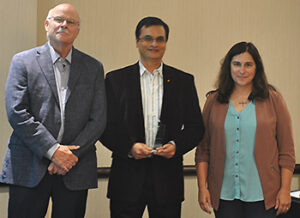
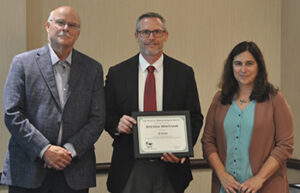
Dr. Kiran​​ Mysore (center) is named the 2022 APS Ruth Allen Award recipient, with Dr. Mark Gleason (left) and APS Immediate Past Preside​nt Dr. Amy Charkowski (right).

At the Plant Health 2022 meeting in Pittsburgh, PA, Dr. Kiran Mysore received the 2022 Ruth Allen Aw​​ard from The American Phytopathological Society. This award honors individuals who have made an outstanding, innovative research contribution that has changed, or has the potential to change, the direction of research in any field of plant pathology.​

Q1. What area(s) of molecular plant–microbe interactions do you feel your research has impacted most?

My research has impacted three different areas in molecular plant–microbe interactions:

02InterStellar Mysore
Dr. Kiran Mysore

Nonhost disease resistance: Nonhost disease resistance is believed to be the most durable form of disease resistance. Little is known about the mechanism(s) of nonhost resistance. Based on the survey at the previous IS-MPMI meeting, nonhost resistance was one of the top 10 unanswered questions in MPMI. My laboratory has contributed to this field by identifying several plant genes that play a critical role in nonhost disease resistance using model plants such as Nicotiana benthamianaArabidopsis thaliana, and Medicago truncatula.

Agrobacterium–plant interaction: Agrobacterium-mediated plant transformation is the most preferred form of plant transformation in both academia and industry. However, several plant species and crop varieties are recalcitrant to transformation. To better understand the Agrobacterium-mediated plant transformation, my laboratory has identified and characterized several plant genes that are important for transformation. We have also studied the role of plant defense responses against Agrobacterium and strategies to suppress plant defense responses to enhance transformation.

Symbiosis in legumes: Legume-rhizobia symbiosis (to fix atmospheric nitrogen) and legume-arbuscular mycorrhizal symbiosis (for uptake of phosphorous) are important for sustainable agriculture. Even though my laboratory doesn’t work on symbiosis, we have significantly contributed to understanding symbiosis by providing the tools. We have developed a large collection of transposon (Tnt1) insertion lines in the model legume M. truncatula that has been used all over the world to study legume symbiosis.

Q2. What advice do you have for young scientists aspiring to achieve the level of science that has a major impact?

My advice to young scientists is to look beyond their own research project. New ideas often come when people read manuscripts that are outside of their own research or comfort zone. Another piece of advice to young scientists is to make sure to publish their findings. Some young scientists do good research but fail to publish. This is a waste of tax payers’ money, and someone else may waste their valuable time and resources to reinvent the wheel.

Q3. When you were a postdoc, what had the largest influence on your decision to enter your specific research area in your permanent position? Was this a “hot topic” at the time, or did you choose to go in a different direction?

During my postdoc studies, I worked on R gene-mediated disease resistance in tomato. During that time, farmers started to realize that a single R gene-mediated resistance was not durable in the field. For example, the UG99 strain of wheat stem rust was identified during that time and became popular in the media. An R gene that provided resistance against wheat stem rust for more than 30 years was broken down. This motivated me and got me interested in durable disease resistance. Nonhost resistance, which was not well studied at that time, caught my attention, and I decided to work on that in my permanent position. Effector biology was the hot topic during that time, and the field was getting crowded. I chose a different direction to work on nonhost resistance that was not a hot topic at the time.

Email a link

InterStellar: Interview with 2022 APS Fellow Honoree Dr. Steve Whitham

ISMPMI 285 2 1955560 removebg preview

Issue 3

2022

interactions

Did You Know

02InterStellar Whitham award
Dr. Steve Whitham (center) is named an APS Fellow, with Dr. Mark Gleason (left) and APS Immediate Pa​st President Dr. Amy Charkowski (right).

At the Plant Heath 2022 meeting in Pittsburgh, PA, Dr. Steve Whitham, Iowa State University, was named a 2022 Fellow of The American Phytopathological Society. This honor recognizes distinguished contributions to plant pathology in one or more of the following areas: original research, teaching, administration, professional and public service, and extension and outreach.​

Q1. What area(s) of molecular plant–microbe interactions do you feel your research has impacted most?

Maybe four different areas: NBS-LRR resistance genes; host–virus interactions, especially from the host response perspective; host–rust fungus interactions, from both the host response side and characterization of candidate effector proteins; and engineering viruses for doing useful things in crop species.

02InterStellar Whitham
Dr. Steve Whitham​​​

Q2. What advice do you have for young scientists aspiring to achieve the level of science that has a major impact?

Find questions that excite you and that address important gaps in the field, keep an open mind to new ideas and areas of research and try to make connections to how they can be applied to your project(s), and seek out collaborators who complement your skill set and expertise. Develop your soft skills, learn how to work effectively in teams, and try to find a good work–life balance.​

Q3. When you were a postdoc, what had the largest influence on your decision to enter your specific research area in your permanent position? Was this a “hot topic” at the time, or did you choose to go in a different direction?

At the time I was a postdoc, the mechanisms of gene silencing were being sorted out, and the concept of virus-induced gene silencing as a fast-forward genetics approach was developed. This coincided with the first plant genomes becoming available and the development of microarray technologies for genome-wide mRNA transcript profiling, as well as proteomics. The confluence of these developments got me very interested in functional genomics and how these approaches could be applied to help us to understand the networks of genes that underlie plant–pathogen interactions.

Email a link

InterStellar: Interview with 2022 APS Noel T. Keen Award Recipient Dr. Gitta Coaker

ISMPMI 285 2 1955560 removebg preview

Issue 1

2020

interactions

Did You Know

Dr. Gitta Coaker, University of California-Davis, received the Noel T. Keen Award from The American Phytopathological Society for research excellence in molecular plant pathology.

02InterStellar Coaker award
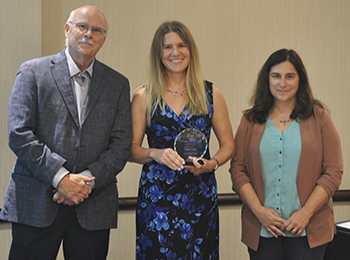
Dr. Gitta Coaker (center) receives the APS Noel T. Keen A​ward, with Dr. Mark Gleason (left) and APS Immediate Past President Dr. Amy Charkowski (right).

Nominees have made outstanding contributions and demonstrated sustained excellence and leadership in research that significantly advances the understanding of molecular a​spects of host–pathogen interactions, plant pathogens or plant-associated microbes, or molecular biology of disease development or defense mechanisms.​

Q1. What area(s) of molecular plant–microbe interactions do you feel your research has impacted most?

Science is a team effort. I have been fortunate to work with bright and motivated scientists throughout my career. I am most proud of training the next generation of scientists, who are making impactful discoveries in a variety of career paths. My group studies a variety of plant–pathogen interactions, but our central research questions focus on plant immune signaling and pathogen effector biology. Our most impactful research over the years focuses on plant immune perception and signaling for both intracellular and surface-localized immune receptors. We have contributed to how plant NLR receptors recognize effectors and the role of kinases in fine-tuning plant immune responses.

Q2. What advice do you have for young scientists aspiring to achieve the level of science that has a major impact?

We are fortunate to be in a field with fascinating biological questions and clear links to the welfare of humankind. To make important discoveries, scientists need to study important problems. Science that has a major impact focuses on important biological questions and provides a foundational understanding that other

02InterStellar Coaker
Dr. Gitta Coaker

groups use to drive research questions. I think it is important to always keep the biology of the plant and pathogen in mind. I encourage young scientists to spend time thinking about major unanswered questions or understudied areas in the field of plant–microbe interactions and how they fit with their expertise. It is also critical to always consider experimental design, controls, and reproducibility. Freely sharing reagents/materials, providing access to raw data/code, and posting preprints will also increase impact by allowing other scientists to validate and build upon discoveries.

Q3. When you were a postdoc, what had the largest influence on your decision to enter your specific research area in your permanent position? Was this a “hot topic” at the time, or did you choose to go in a different direction?

During my Ph.D. studies, my research focused on breeding for disease resistance in tomato. I dabbled in proteomics during the final year of my Ph.D. program and realized my passion for molecular plant pathology. I also benefitted from having excellent mentors in my Ph.D. (David Francis) and postdoc (Brian Staskawicz) programs. During my postdoc, I thought more deeply about my skill set and how I could contribute to answering important research questions. I brainstormed with Brian and other colleagues about future areas of research.

I was (and still am) fascinated with how plant immune receptors recognize pathogen invaders and how pathogen effectors drive host specificity. I get excited about mechanistic insights in plant–pathogen interactions. Plant immunity has always been a “hot topic” in MPMI, but it is also one of the keys to generating disease resistance in crops. I gained a lot of protein biochemistry experience as a postdoc and decided to focus on immune signaling when starting my lab at UC Davis. My group still studies immune signaling and effector biology. We have expanded the repertoire of plants and pathogens we investigate over time. I am also interested in the role of immunity and effectors in vectorborne disease and see this as an understudied area in MPMI.

InterStellar: Interview with 2022 ASPB Stephen Hales Prize Awardee Dr. Xinnian Dong

ISMPMI 285 2 1955560 removebg preview

Issue 3

2022

interactions

Did You Know

02InterStellar Dong

At the Plant Biology 2022 meeting in Portland, OR, Dr. Xinnian Dong, Duke University, received the Stephen Hales Prize from the American Society of Plant Biologists. This award honors the Reverend Stephen Hales for his pioneering work in plant biology published in his 1727 book Vegetable Staticks. It is a monetary award established in 1927 for an ASPB member who has served the science of plant biology in some noteworthy manner.

In addition to responding to the questions below, Dr. Dong recently completed a Q&A piece with Current Biology in which she addressed many questions that may be of interest to readers of IS-MPMI Interactions.

Q1. What area(s) of molecular plant–microbe interactions do you feel your research has impacted most?

One of my former postdocs told me that my lab’s research is more about understanding how plants turn off immunity than activating immunity. Even though this description is not completely correct, it emphasizes my research interest in how organisms avoid self-damage during a defense response. To satisfy this interest, the study of plant immune systems has great advantages over animal immune systems given that plant immune responses are activated in coordination through sophisticated regulatory mechanisms with other cellular functions, whereas animals have specialized cells designated to perform only immune functions. Indeed, in the past 30 years, my lab has discovered immune regulations at transcriptional, translational, cellular, and organismal levels involving processes such as protein secretory, DNA damage repair, and circadian and redox rhythms that integrate environmental factors such as humidity. Even the NPR1 protein that my lab has identified and studied all these years seems to have the do-it-all role in plants. In addition to inducing the expression and secretion of a wide range of stress proteins to confer systemic acquired resistance, it also manages the homeostasis of these stress proteins by forming biomolecular condensates to resolve the immune response to ensure cell survival under stress conditions. This single protein has kept me frustrated and fascinated for all these years!

What sustained my enthusiasm toward this line of research is its potential in developing new strategies for engineering crops with broad-spectrum disease resistance. I believe that broad-spectrum disease resistance should be a major goal for future crop engineering because it takes out the guesswork for consumers. (Can you imagine buying health insurance for just one disease?) In this direction, my lab has made a conceptual breakthrough by showing that broad-spectrum disease resistance can be achieved without the associated fitness cost in field-grown rice by making the translation of NPR1 pathogen-inducible. This was achieved using the 5′ leader sequence of the mRNA encoding a transcription factor known as TBF1, the translation of which is normally repressed under nonstress conditions to avoid cell lethality, but is rapidly and transiently induced upon pathogen challenge. We demonstrated that mRNA 5′ leader sequences, such as the one from TBF1, are easy, but effective, engineering targets for controlling protein production.

Q2. What advice do you have for young scientists aspiring to achieve the level of science that has a major impact?

Find time to think. Sunday afternoons in the office and each morning before getting out of bed are my quiet time to think. Even though we are in an information age, our brains have yet to evolve new ways of thinking. Therefore, the old way still works best. To find a potentially good research project requires serious consideration, patience, and opportunities. Sometimes, a project has great potential, but the tools are not there yet to bring it to fruition. This is when patience is needed. In the end, many impactful discoveries are made under unexpected circumstances. One common ingredient for these chance discoveries is the preparedness of the scientist.

Q3. When you were a postdoc, what had the largest influence on your decision to enter your specific research area in your permanent position? Was this a “hot topic” at the time, or did you choose to go in a different direction?

When I was a postdoc, the “hot topic” at the time was the cloning of “R genes,” which mediate the so-called gene-for-gene resistance. I was not involved in this effort because I was concerned that the resistance loci found in different crop species against a diverse array of pathogen signals might encode random proteins that were only discovered in agriculture due to the use of monocultures. Instead, I was interested in searching for and studying “basic” immune mechanisms in plants, which turned out to be systemic acquired resistance and pattern-triggered immunity. I wanted to find common plant defense mechanisms that are not specific to a pathogen signal. Of course, I was pleasantly surprised and excited when R genes were cloned and found to encode proteins with conserved structures.

After 30 years, the MPMI field is now a well-established discipline. Newcomers will have to think harder to identify a research direction in which their current expertise can give them an advantage, while their lack of training in the MPMI field is not a big enough obstacle to prevent them from getting started. We need newcomers to keep the field young.​​

Email a link

Scroll to Top