Category: Issue 1 •​ 2021​

Call for Papers! Publish in the MPMI Focus Issue on Effectors at the Interface of Plant–Microbe Interactions

ISMPMI 285 2 1955560 removebg preview

Issue 1

2020

interactions

Did You Know

03WhatsNew Effectors graphic

Effectors are central to determining the complex and dynamic interaction between plants and microbes. Whether those interactions re​​​​sult in the establishment of a beneficial or negative interaction, effectors are at the interface of any plant–microbe interaction.

Despite their role as mediators of plant–microbe interactions, gaining a full understanding of the biology and evolution of these intriguing molecules has been a challenging task. This MPMI Focus Issue will present the latest developments in the study of microbial effector biology and evolution in the context of plant immunity across diverse systems. As the scientific community seeks to respond to global challenges in agriculture and food production, we wish to highlight potential solutions and technologies emerging from research in microbial effectors.

We invite research and review articles that explore the complex role of effectors in molecular plant–microbe interactions. Articles highlighting translational research, as well as fundamental understanding, are welcome. We look forward to assembling an issue that features the excellent research in this area!

Benefits to Authors

A Focus Issue offers authors several benefits. A single-topic issue gives scientists an opportunity to publish alongside the related work of their peers to highlight progress in a focal area. The Effectors at the Interface of Plant–Microbe Interactions MPMI Focus Issue will be widely promoted and is expected to be highly cited, giving authors maximum exposure.

Articles will be submitted to Crossref, allowing citation tracking and connectivity as this research area moves forward in MPMI and other scientific journals.

If you are working on research described herein, submit your manuscript to MPMI and select “Focus Issue” as the article type. Please also indicate in your cover letter that you would like your manuscript to be considered for the 2024 Focus Issue.

For more information about the scope of this issue, please contact MPMI Editor-in-Chief Tim Friesen.​

​​​​Submit a Manuscript    Instructions to Authors

From Wild Roots to Scientific Heights: Prof. Roger Innes’ Journey to the National Academy of Sciences

ISMPMI 285 2 1955560 removebg preview

Issue 1

2020

interactions

Did You Know

Professor Innes was interviewed by MPMI Assistant Features Editor Meenu Singla-Rastogi

04SocNews Innes (1)

Professor Roger Innes, a newly elected member of the U.S. National Academy of Sciences, is a trailblazer in the field of plant-microbe interactions. Currently a distinguished professor at Indiana University Bloomington, Innes has dedicated his career to uncovering the molecular mechanisms behind plant immunity. When Innes received a call from longtime friend and fellow scientist Pam Ronald, he was struck by a wave of disbelief followed by elation. The news? He had been elected to the National Academy of Sciences (NAS), a crowning recognition of a career spent unraveling the mysteries of how plants and microbes interact.

What began as a childhood fascination with wildlife gradually evolved into a passion for molecular biology, thanks in part to influential mentors and early exposure to nature and science. From early work on Rhizobium signaling to groundbreaking discoveries on disease resistance genes in Arabidopsis, his research has shaped the foundational understanding of how plants detect and respond to microbial threats. Over the years, Innes’ work has led to major advancements in the study of nucleotide-binding leucine-rich repeat (NLR) proteins, the guard model of immune signaling and, more recently, the emerging field of extracellular vesicles and RNA in plant defense. His contributions have not only transformed academic inquiry but also hold powerful implications for sustainable agriculture and crop disease resistance.

Innes’ scientific journey is a powerful reminder that science thrives on curiosity, challenge, and the courage to rethink assumptions. His legacy, already profound, is still unfolding and inspiring countless others to push the boundaries of what we already know in the field of molecular plant-microbe interactions. In this interview, Innes reflects on his scientific journey, the mentors and moments that shaped it, the challenges of mentoring diverse minds and kinds, and the evolving landscape of molecular plant-microbe interactions.

Can you briefly share your journey into science and what first sparked your interest in the field of molecular plant-microbe interactions?
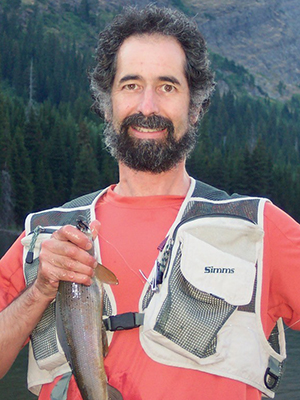
01InterStellar Innes (1)

My father had a Ph.D. degree in chemistry, and my two older brothers had Ph.D. degrees in chemistry and physics, so a science path seemed somehow expected. But, as a child, I was more interested in nature and being outside than I was in science. I loved watching nature programs on TV such as “Wild Kingdom” and envisioned myself spending my days outside studying wild animals. Thus, I enrolled in a wildlife management major at Humboldt State University in California for my undergraduate degree and began taking various wildlife biology and ecology courses. As part of that degree, I had to take field ecology. This course made me realize that studying ecosystems and wild animals relied mostly on statistics and correlations and did not involve any sort of experimental tests and that fieldwork was not nearly as romantic as the TV shows made out! On the other hand, I was really enjoying my basic chemistry and genetics classes, especially the lab work. Thus, I switched my major to biology and took a new elective course on Molecular Biology, which was a new field at the time and was being taught by a new assistant professor from Stanford named Mike Bowes who had just completed his Ph.D. degree with Nobel Laureate Arthur Kornberg. Kornberg had just written a textbook on DNA polymerase, which we used in the course. This course cemented my decision to pursue a career in molecular biology, but I was still very interested in interactions between organisms, so I sought out a Ph.D. project that would enable me to apply molecular biology approaches to the study of interorganismal interactions. I ended up at the University of Colorado, Boulder, studying the interaction between clover plants and Rhizobium trifolii, which was my entry into the molecular plant-microbe interactions field.

Were there any key mentors or moments that shaped your scientific path early on?

I credit my mother for getting me interested in nature, as she signed me up for Ranger Rick magazine from the National Wildlife Federation when I was 5 years old and nurtured my curiosity about nature. My high school biology teacher was outstanding and was the first person to make me think that a career in biology was a better fit for me than chemistry or physics, which my older brothers had pursued. In college, I had two young professors who were really dynamic and inspiring, one in molecular biology (Mike Bowes, mentioned above) and one in plant systematics (Mike Messler). Ultimately, my career merged these two areas, which was definitely influenced by these two professors.

Your research has had a significant impact on the field of molecular plant-microbe interactions. How would you describe your most influential work(s) to your colleagues?

I like to think that my Ph.D. work, postdoctoral work, and work as a faculty member have each made distinct contributions. As a Ph.D. student, I was one of the first to show that plant roots secrete compounds that induce expression of Rhizobium nodulation genes and contributed to the identification of these compounds as flavones (Flavones Induce Expression of Nodulation Genes in Rhizobium)—my fourth most highly cited primary research paper. As a postdoc, my major contribution was assisting with the development of Arabidopsis as a model system for studying plant-microbe interactions. More specifically, I was one of the first to clone an “avirulence gene” from Pseudomonas syringae (avrRpt2) that could trigger an immune response in Arabidopsis in a genotype-specific manor. This was an important finding as it demonstrated that Arabidopsis followed the “gene-for-gene” model of pathogen recognition previously described in flax by H. H. Flor and opened the door to cloning plant disease-resistance genes. The paper describing this work is my second most highly cited paper (Identification of Pseudomonas syringae Pathogens of Arabidopsis and a Bacterial Locus Determining Avirulence on Both Arabidopsis and Soybean). Upon starting my independent research lab at Indiana University, my priority was to identify and clone disease-resistance genes in Arabidopsis and to use genetics to identify downstream signaling components. This led fairly rapidly to the cloning of RPM1 and my most highly cited paper (Structure of the Arabidopsis RPM1 Gene Enabling Dual Specificity Disease Resistance), while my former postdoctoral lab used avrRpt2 to clone the corresponding resistance gene RPS2, both of which encoded nucleotide-binding leucine-rich repeat (NLR) proteins. These findings, in conjunction with the cloning of the N gene from tobacco by Barbara Baker‘s group, provided the insight that most plant R genes likely encode NLR proteins, which greatly accelerated cloning of disease resistance genes in crop plants and the use of such sequences for marker-assisted breeding.

The cloning of RPM1 also led to an unexpected finding, and an unplanned collaboration, when we discovered that mutations in RPM1 blocked recognition of two different P. syringae avirulence genes, avrB and avrRpm1 (A Disease Resistance Gene in Arabidopsis with Specificity for Two Different Pathogen Avirulence Genes). My lab was pursuing cloning of the R gene that mediated recognition of avrB, while Jeff Dangl’s laboratory was pursuing cloning of the R gene that recognized avrRpm1. I believe it was at a molecular plant-microbe interactions conference that we noticed our genes were mapping to the same region, which led us to test whether mutants that failed to respond to AvrB also failed to respond to AvrRpm1. When they did, we agreed to team up to compl​​ete the laborious process of positional cloning of RPM1. The ability of a single R gene to mediate recognition of two sequence-unrelated avirulence genes was unexpected, because Flor’s model predicted that a single plant disease-resistance gene should recognize only one pathogen avirulence gene. This paper told us that recognition was more complex and was our first hint that recognition might be mediated by an indirect mechanism rather than a direct receptor-ligand interaction.

In parallel to cloning RPM1, we also identified and cloned RPS5, which encodes an NLR protein that mediates recognition of the P. syringae effector AvrPphB, a cysteine protease. As part of that effort, we identified multiple Arabidopsis mutants that failed to recognize AvrPphB that did not map to RPS5. We named these loci PBS for AvrPphB Susceptible. These pbs mutants provided the foundation for much of my subsequent career, as it led to the cloning of PBS1, founding member of the receptor-like cytoplasmic kinase (RLCK) family, PBS2 (renamed RAR1, required for NLR stability), and PBS3 (required for SA synthesis). The work on PBS1, in particular, was key to my future, as we subsequently showed that PBS1 was the direct target of AvrPphB and that cleavage of PBS1 activated RPS5, providing strong mechanistic support for the “guard model” of NLR function (my third most highly cited paper; Cleavage of Arabidopsis PBS1 by a Bacterial Type III Effector). This insight led us to test whether we could alter the specificity of RPS5 by altering the cleavage site within PBS1 so that it could be cleaved by proteases from other pathogens. Significantly, this turned out to be true, as we were able to engineer RPS5 to recognize turnip mosaic virus (TuMV) simply by replacing three amino acids in PBS1 to enable it to be cleaved by the TuMV NIa protease, thus conferring resistance to TuMV (Using Decoys to Expand the Recognition Specificity of a Plant Disease Resistance Protein). This discovery has major translational applications, as it enables us to engineer novel disease-resistance traits in crop plants, which we are currently pursuing in soybean and wheat.

Most recently, we have been pursuing a very different line of research that focuses on the molecular and cellular mechanisms underlying host-induced gene silencing (HIGS). This work arose out of an interest in extracellular vesicles (EVs), which we had observed by electron microscopy when analyzing how plant cells die during a hypersensitive disease-resistance response. The apparent increase in EVs made us wonder how EVs contribute to disease resistance. Reading of the mammalian literature led us to hypothesize that they might function to shuttle small RNAs from plant cells to pathogens. Thus, we set out to purify EVs and characterize their protein and RNA contents. We were one of the first labs to accomplish this (Extracellular Vesicles Isolated from the Leaf Apoplast Carry Stress-Response Proteins). This paper is on track to become the most highly cited paper of my career, as it provides the foundation for a new subfield of molecular plant-microbe interactions research.

Looking back, were there any surprising turns or discoveries in your research that changed your trajectory?

Over the course of my career, I have had many incorrect hypotheses, and the process of disproving these hypotheses has invariably led to much more interesting science. The first was that a single plant R gene-mediated recognition of a single pathogen avr gene. Our discovery that RPM1 mediates recognition of both AvrB and AvrRpm1 was pivotal to us investigating the underlying molecular mechanisms by which NLR proteins are activated and our focus on the guard model. A second one was that plant cells die via fusion of the tonoplast membrane with the plasma membrane during the HR. It was our EM work testing this hypothesis that led to our interest in EVs. We failed to find evidence of PM-tonoplast fusion events but got very excited about EVs, leading to a whole new direction for the lab. Most recently, we have disproved our hypothesis that EVs mediate HIGS. Instead, we discovered that plants secrete naked RNA and RNA-protein complexes independent of EVs. This discovery has led to a new focus on extracellular RNA. Most intriguing, we have just shown that plants secrete RNA onto their leaf surfaces, which is where we now believe HIGS is initiated. We definitely did not expect this when we started our work on EVs.

What does being elected to the NAS mean to you personally and professionally?

It is deeply satisfying as it represents formal recognition by my peers that my lab’s research has had a major impact on the field of plant molecular biology. Peer recognition is fundamental to the scientific process and, ultimately, to feeling your work is important. On a professional level, I am hoping it gives my signature a bit more weight, especially when writing to my congressional representatives about support for science!

What responsibilities do you feel come with this kind of recognition from your peers?

The NAS was founded in1863 by an act of Congress and signed by President Abraham Lincoln as a private, nongovernmental institution to advise the nation on issues related to science and technology. Although the present administration does not appear to be very open to advice from scientists, I feel a strong responsibility to leverage my new status as an NAS member to lobby on behalf of all scientists for evidence-based decision making by our representatives.

What is the biggest challenge you have faced in your research to date, and how did you overcome it?

The biggest challenges come with mentoring individual lab members and helping them overcome their own challenges to ultimately be successful in their careers. Every lab member has their own strengths, weaknesses, aspirations, and challenges. Building on their strengths while minimizing weaknesses and challenges is one of the most important things I must do as a mentor. Addressing this challenge involves a heavy dose of empathy and the ability to listen, along with being a genuine cheerleader for progress.

What advice would you give to early-career scientists hoping to make a lasting impact in the field of molecular plant-microbe interactions?

Focus on what the major (most interesting) unanswered questions are in your topic area and give thought to why these questions remain unanswered. Is there a technical barrier to answering the question? If so, are there new technologies coming along that will enable you to overcome that barrier? If so, learn that technology. Stay on the cutting edge. Even better, help develop the new technology and be the first to apply it to an interesting question.

What do you wish more people understood about molecular plant-microbe interactions research?

The first is that the general public needs to understand that plants get sick too and that healthy plants are central to our current food system. Second, they need to understand that current agricultural practices are not sustainable for the planet in the long term and that we need to reduce our reliance on chemical inputs (fertilizers and pesticides) to make it sustainable. Doing so requires research in molecular plant-microbe interactions.

Are there any emerging areas in your field of research that you think are particularly promising or underexplored?

I am very biased, of course, but I am very excited about our new work on extracellular RNA. We hypothesize that exRNA plays a central role in constructing the plant microbiome. If so, it will bring my research career full circle, as I started out looking at the role of plant root exudates on Rhizobium gene expression during my Ph.D. work. In a related area, I think the new technologies emerging around spatial transcriptomics are very exciting, as they will enable a much deeper understanding of how plant cells and microbes interact down to the single-cell level.

How do you hope your legacy will influence the next generation of scientists?

It brings me great pleasure and satisfaction to see my former students and postdocs having success in their own careers, which have been diverse, from working in biotech companies to federal agencies to academics. I like to think that some of what they learned in my lab with regard to asking and answering scientific questions, and with regard to collaborating with others, is benefiting them in their current pursuits. It also brings me satisfaction to see many other labs delving deeply into the topics that we first pioneered in my group, leading to rapid progress in the molecular plant-microbe interactions field. I expect the number of labs investigating leaf-surface RNA will rapidly expand now that we have published our fist paper on that topic.​

Spotlight on Maniraj Rathinam

ISMPMI 285 2 1955560 removebg preview

Issue 1

2020

interactions

Did You Know

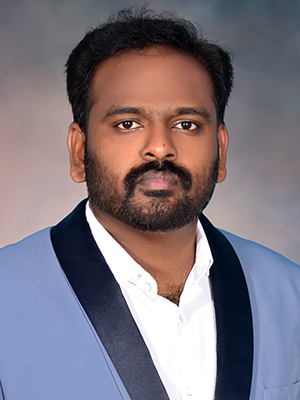
Jawahar Singh, MPMI Assistant Feature Editor

02InterCon RathinamI (1)

Maniraj Rathinam is a dedicated plant molecular biologist and currently a postdoctoral fellow at the University of Agricultural Sciences, Bangalore, India. His research centers on plant-insect interactions, with a focus on redox-based defense mechanisms in legume wild relatives. In his recent paper published in MPMI, “Cellular Responses in the Pigeonpea Wild Relative Cajanus platycarpus to Helicoverpa armigera Herbivory: The Role of Methionine Sulfoxide Reductase B1 (CpMSRB1) in Enhanced Defense,” he uncovers how CpMSRB1 helps maintain ROS homeostasis and boosts phenylpropanoid-mediated resistance. His findings open new avenues for engineering durable insect resistance in crops through redox-regulatory pathways.

1. What do you think is the most important or exciting finding from your paper?

Our study revealed that the pigeonpea wild relative, Cajanus platycarpus, uses a redox-regulating enzyme, CpMSRB1, to protect another key enzyme, chorismate mutase (CpCM1.1), from oxidative damage during continuous Helicoverpa armigera attack. This protection helps sustain the phenylpropanoid pathway, which produces important defense-related secondary metabolites. It’s the first time an enzyme involved in secondary metabolism has been identified as a methionine sulfoxide reductase (MSR) substrate in plants, highlighting a novel link between redox homeostasis and metabolic defense.

2. Was there a piece of data that was particularly challenging to obtain or a part of the project that was particularly difficult to achieve?

Yes, achieving successful recombinant protein overexpression of CpCM1.1 and CpMSRB1 in Escherichia coli was particularly challenging. These proteins were crucial for our in vitro interaction assays. After testing multiple vectors, strains, and conditions, we eventually optimized expression using the pMAL-c2X vector in the E. coli BL21-CodonPlus system. This not only yielded high-quality protein, but also enhanced our expertise in bacterial protein expression.

3. What research project are you most excited about right now?

As a DBT-RA postdoctoral fellow at the University of Agricultural Sciences, Bangalore, I’m exploring the role of CpMSRB1—previously linked to herbivory defense—in drought stress response. Since both stresses trigger ROS accumulation, I’m excited to investigate how CpMSRB1 contributes to redox homeostasis and dual stress tolerance in plants.

4. What advice would you give to graduate students starting out?

Treat science as an infinite game—keep learning, stay curious, and embrace criticism. Don’t hesitate to seek help when experiments don’t go as planned. One key lesson from my Ph.D. program was to turn unexpected results into new research directions. My current work on CpMSRB1 emerged from such an accidental, but insightful, observation.

5. Who has inspired you scientifically? Why?

I’m inspired by Dr. Louis Pasteur for his perseverance and transformative contributions to science, especially the rabies vaccine. Despite early failures and public criticism, he remained committed to research that ultimately benefited humanity—a principle I deeply value in my own scientific journey.

6. Are/were you involved in other scientific/professional development activities? How did these contribute to your training?

Yes, reviewing for journals like International Journal of Biological Macromolecules has sharpened my scientific writing and communication. I’m also passionate about scientific illustration and data visualization—skills I apply in my own work and share with junior colleagues to help present complex ideas clearly and effectively.

7. What is the greatest challenge you have encountered in your career? What did you do to overcome this challenge?

Early in my Ph.D. program, I struggled with scientific writing and lacked confidence in presenting my ideas. With guidance and encouragement from my mentor, Dr. Rohini Sreevathsa, I began writing manuscripts independently. This practice has greatly improved my skills and confidence over time.

8. How can people find you on social media?

People can find me on LinkedIn.

9. Is there anything else you would like to share in your Spotlight? If so, what is it?

C. platycarpus shows a multilayered defense against H. armigera, and several exciting findings from our ongoing work are in the pipeline. For more, I invite readers to explore Dr. Rohini Sreevathsa’s Google Scholar profile.

10. Bonus question: What’s your favorite pathogen or disease?

My favorite pest is H. armigera, as I’ve spent much of my research uncovering resistance mechanisms against it in pigeonpea wild relatives.​

Reflections from the Board: Goodluck Benjamin on His IS-MPMI BOD Tenure

ISMPMI 285 2 1955560 removebg preview

Issue 1

2020

interactions

Did You Know

Goodluck Benjamin, Junior Member IS-MPMI Board of Directors

04InterCon Benjamin (2)

As my tenure on the IS-MPMI Board of Directors draws to a close, I’ve found myself reflecting on what has been one of the most meaningful professional experiences of my early career.

Joining the board as a junior member in 2022 was both an exciting and humbling experience. Coming from Nigeria and joining during the course of my Ph.D. studies at Université Côte d’Azur in France, I always strove to represent underrepresented voices in global scientific spaces. IS-MPMI provided me a platform, not just to observe but to actively contribute to shaping conversations and initiatives in our community.

What I valued most during my time on the IS-MPMI Board was the environment of openness and inclusivity. From the outset, my ideas, shaped by my background and perspective as a young scientist from a developing country, were genuinely welcomed and respected. I had the privilege of contributing to several impactful IS-MPMI initiatives, including the 2023 and 2025 IS-MPMI Congresses, participating in reviewing award nominations, travel grants, and organizing scientific sessions.

One of the highlights was co-organizing the Early Career Showcase, an event designed to spotlight the work of emerging scientists while fostering dialogue around the professional and personal journeys of early career researchers. I had the honor of moderating discussions on mentoring, an area I am deeply passionate about. These experiences were not only fulfilling but also instrumental in bridging geographical and cultural gaps, promoting scientific exchange across continents, and fostering a true sense of belonging within our global community of plant-microbe scientists.

This experience also helped me grow. I learned how a society like IS-MPMI functions behind the scenes, how ideas are translated into initiatives, how diverse voices are incorporated into strategy, and, most importantly, how community is built in a truly international field. It has reinforced my belief that science is not only about discovery, but also about collaboration and accessibility.

To early career researchers considering deeper involvement in societies like IS-MPMI—do it. You don’t need to have a long list of publications or years of experience, just a willingness to engage, contribute, and listen. The opportunity to serve doesn’t only benefit the society; it shapes you in ways that no lab experience can.

Looking forward, I am hopeful. I envision a molecular plant-microbe interactions community that continues to elevate diverse perspectives and brings greater visibility to scientists from underserved regions. As we move ahead, I encourage our society to keep asking, “Who else can we reach? Who else can we empower?”

Serving on the IS-MPMI Board is more than a line on my CV, it is a chapter of growth, advocacy, and connection. I leave with gratitude and a renewed commitment to advancing plant-microbe interactions for the benefit of all.

Junior Member BOD, Signing Off!

ISMPMI 285 2 1955560 removebg preview

Issue 1

2020

interactions

Did You Know

Priyamedha Sengupta, Junior Member IS-MPMI Board of Directors

02InterCon Sengupta (1)

I joined the IS-MPMI Board of Directors as a junior member nearly three years ago, as I was finishing up my Ph.D. studies at the University of Cologne, Germany. Since then, I have moved to new countries and workplaces, but one of the things that remained constant was the online board meetings on the third Wednesday of every month. Now that the upcoming 2025 IS-MPMI Congress is going to be held at Cologne, I feel that my time served on the board has come full circle.

When, I joined the board, we were one year away from the 2023 IS-MPMI Congress in Rhode Island, and preparations for the congress were in full swing, with then IS-MPMI President Prof. Roger Innes. One of the first tasks, I participated in was drafting the call for award nominations in the Outstanding and Early Career Scientist category together with Prof. Mary Beth Mudgett (then past-president), Prof. Jeanne Harris (then MPMI editor-in-chief), and Goodluck Benjamin (newly appointed junior BOD member). Later, as the days to the 2023 IS-MPMI Congress grew smaller, all of us on the board were involved in evaluating applications for the travel grants awarded to graduate students, postdocs, and junior PIs attending the congress. For a graduate student such as myself, it was a fairly difficult task to evaluate the travel grants, because every other application seemed great! Prior to that, I had been a recipient of a travel grant, but being on the other side of the table provided me with a different perspective altogether. Soon, it was also time to evaluate Outstanding and Early Career Award nominations, although I couldn’t completely contribute to that part, as the day of my Ph.D. defense also got closer! Nevertheless, I graduated and will always remember the entire board congratulating me during the next monthly meeting.

Coming back to 2023 IS-MPMI Congress preparations, together with former junior BOD member Charles Roussin-Léveillée, I organized the Travel Awardee Lunch, where the awardees would have a chance to meet with a plenary speaker of their choice during an informal lunch session. While Charles was in contact with the plenary speakers, I coordinated with the travel awardees to ask for their preferences (feeling a bit like a matchmaker). Finally, the list was assembled, and IS-MPMI staff member Tressa Patrias kindly took over organization of the lunch, as I couldn’t attend the congress due to visa complications.

Aside from the biennial IS-MPMI Congress, the IS-MPMI board is involved in organizing an online conference known as the Early Career Researcher (ECR) Showcase, where mainly graduate students and postdocs from across the world present their research. As a speaker at the 2022 ECR showcase, I was amazed by the reach it had in the IS-MPMI community. During one of our board meetings in 2024, when we were discussing ways to increase community engagement, the ECR showcase emerged as a popular option and, hence, the 2025 edition came into being. I led one of the breakout sessions during the event held on February 20, 2025, on Building Bridges—Networking Strategies for Early Career Scientists. I went in without much preparation (and quite a bit of trepidation), since the topics were assigned to the board members rather last minute. Luckily, the discussion turned out well, starting off with Patricia Baldrich (former junior BOD member and now IS-MPMI BOD secretary) and me sharing how our respective experiences as board members helped in networking. The discussion then shifted more toward seeking funding opportunities and navigating the job market.

One of the main reasons I have enjoyed being a board member is that my roles did not fall within well-defined patterns and, in fact, were quite versatile. In this regard, I would like to mention the Science Communication miniseries (2024–2025), which I wrote for Interactions to highlight the importance of scientific outreach, particularly in plant-microbe interactions research. Initially intended to be a one-time post, the article turned into a three-part miniseries, with the help of Interactions Editor-in-Chief Prof. Anjali Iyer-Pascuzzi, who showed so much enthusiasm when I sent in my six-page write-up!

To wrap things up (as with my time on the board), one of the memories that I will cherish from this experience is when junior members got voting rights on board decisions advocated by the current IS-MPMI President, Prof. Adam Bogdanove. As Adam noted, “Junior members should have powers too!.” I believe that the new pair of junior board members will put this power to good use and contribute to strengthening the IS-MPMI community.

Congratulations to IS-MPMI Members Receiving Awards

ISMPMI 285 2 1955560 removebg preview

Issue 1

2020

interactions

Did You Know

We extend our congratulations to several IS-MPMI members who have been honored with prestigious awards recently.

2025 Wolf Prize in Agriculture

03InterStellar graphic (1)

Congratulations to Jeff Dangl, the John N. Couch Distinguished Professor of Biology in the University of North Carolina College of Arts and Sciences and an investigator with the Howard Hughes Medical Institute, United States; Jonathan D. G. Jones, a senior scientist at the Sainsbury Laboratory, United Kingdom; and Brian J. Staskawicz, the Maxine J. Elliot Professor and chair of the Plant and Microbial Biology Department at the University of California, Berkeley, United States, on receiving the Wolf Prize in Agriculture. Often called the “Nobel Prize of Agriculture” this prize recognizes the groundbreaking work of Dangl, Jones, and Staskawicz in the plant immunity field.

Look for more about Drs. Dangl, Jones and Staskawicz in future issues of Interactions.

2025 Member of the U.S. National Academy of Sciences

Congratulations to Roger Innes, distinguished professor of biology, Indiana University, United States, and Hailing Jin, professor and plant molecular geneticist biology and Cy Mouradick Endowed Chair​, University of California, Riverside, United States, on their election as members of the U.S. National Academy of Sciences in recognition of their distinguished and continuing achievements in original research​.

Read MPMI Assistant Features Editor Meenu Singla-Rastogi‘s interview with Prof. Innes in this issue. ​

2025 Novonesis Biotechnology Prize for Pioneering Work in Plant Microbiome Research

Congratulations to Julia Vorholt, professor at ETH Zurich, Switzerland, and a long-standing member of IS-MPMI, who has been awarded the prestigious 2025 Novonesis Biotechnology Prize for Pioneering Work in Plant Microbiome Research by the Novo Nordisk Foundation (read more​). This international honor recognizes her groundbreaking work uncovering the role of phyllosphere microbiota and advancing synthetic microbiome engineering—achievements that have reshaped our understanding of plant-microbe interactions and opened new avenues for sustainable agriculture.

Dr. Vorholt has been a vital contributor to IS-MPMI for nearly two decades, joining in 2007 and serving on the IS-MPMI Board of Directors from 2019 to 2023. Her commitment to the society and to mentoring the next generation of researchers has made a lasting impact on our community. We are thrilled to welcome her as a featured speaker at the 2025 IS-MPMI Congress in Cologne, Germany, where she will give a presentation during Plenary Session 3 on Monday, July 14. Her session promises to inspire and inform, continuing her legacy of pushing the boundaries of microbial biotechnology.

This recognition is not only a testament to Dr. Vorholt’s scientific vision and leadership, but also reflects the strength and global relevance of the plant-microbe interactions field. Her achievements remind us that fundamental discoveries—such as those she has made in microbial ecology, host-microbe interactions, and synthetic communities—can have profound translational impacts.

—Patricia Baldrich​

Meet the Opening Session Speakers

ISMPMI 285 2 1955560 removebg preview

Issue 1

2020

interactions

Did You Know

2025Congress logo (3)

We are thrilled to kick off the 2025 IS-MPMI Congress with a dynamic opening session that includes Keynote Speaker Rotem Sorek, Weizmann Institute, and Plenary Speakers Thorsten Nürnberger, University of Tübingen; Wenbo Ma, The Sainsbury Laboratory; and Ryohei TerauchiKyoto University.

Secure your spot today to save with advance rates and guarantee access to all sessions.

Time Is Running Out to Register for the IS-MPMI Congress

ISMPMI 285 2 1955560 removebg preview

Issue 1

2020

interactions

Did You Know

2025Congress logo (3)

​Join over 1,000 scientists, researchers, and industry professionals July 13–17 in Cologne, Germany, for the 2025 IS-MPMI Congress! Registration closes on July 7. There will be no onsite registration—secure your spot now to access the latest advancements in plant-microbe interactions.

Note, IS-MPMI members enjoy discounted registration rates for the congress. Scientists from some countries are eligible for discounted membership in IS-MPMI.

Join the MPMI Assistant Feature Editors July 13 for Their Satellite Meeting

ISMPMI 285 2 1955560 removebg preview

Issue 1

2020

interactions

Did You Know

2025Congress logo (1)

Mentorship provides enormous support and guidance in building successful careers for mentees. The MPMI Assistant Feature Editors (AFEs) aim to provide a platform for early career attendees to learn about and understand the effect of mentorship on career development. The Satellite Meeting: Building Careers in MPMI Through Effective Mentoring will be held July 13 in Cologne, Germany, as part of the 2025 IS-MPMI Congress. Participants will hear talks from academic and industry professionals, sharing the role of mentors in shaping their careers, how to approach a potential mentor, and different mentoring styles. The talks will be followed by small group discussions, including one mentor, that delve into the specifics of mentorship and fostering personal growth and career advancement. This workshop offers a unique opportunity for both mentors and mentees to network and build meaningful connections. Register today!​

Connect with IS-MPMI on Social!

ISMPMI 285 2 1955560 removebg preview

Issue 1

2020

interactions

Did You Know

LinkedIn logo

Connect and collaborate with other members in our new IS-MPMI Member Online Community on LinkedIn. Join to​day.

Bluesky logo

Follow IS-MPMI and MPMI on Bluesky at @ismpmi.bsky.social to keep up on IS-MPMI events and news, and stay up to date on the latest research with @mpmijournal.bsky.social.​​

Scroll to Top