
Category: Issue 2 •​ 2021​

InterStellar: Interview with 2022 APS Ruth Allen Award Recipient Dr. Kiran Mysore

ISMPMI 285 2 1955560 removebg preview

Issue 1

2020

interactions

Did You Know

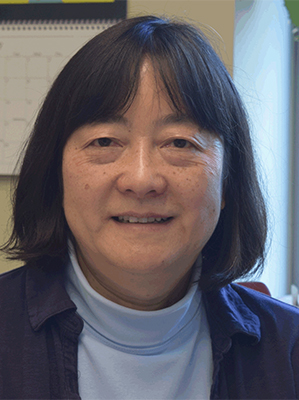
At the Plant Health 2022 meeting in Pittsburgh, PA, Dr. Kiran Mysore received the 2022 Ruth Allen Aw​​ard from The American Phytopathological Society. This award honors individuals
02InterStellar Mysore award
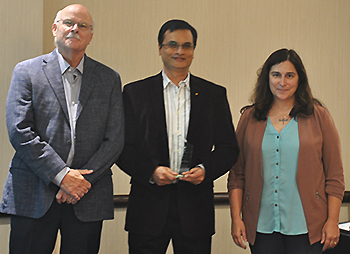
Dr. Kiran​​ Mysore (center) is named the 2022 APS Ruth Allen Award recipient, with Dr. Mark Gleason (left) and APS Immediate Past Preside​nt Dr. Amy Charkowski (right).

who  have made an outstanding, innovative research contribution that has changed, or has the potential to change, the direction of research in any field of plant pathology.​

Q1. What area(s) of molecular plant–microbe interactions do you feel your research has impacted most?

My research has impacted three different areas in molecular plant–microbe interactions:

Nonhost disease resistance: Nonhost disease resistance is believed to be the most durable form of disease resistance. Little is known about the mechanism(s) of nonhost resistance. Based on the survey at the previous IS-MPMI meeting, nonhost resistance was one of the top 10 unanswered questions in MPMI. My laboratory has contributed to this field by identifying several plant genes that play a critical role in nonhost disease resistance using model plants such as Nicotiana benthamianaArabidopsis thaliana, and Medicago truncatula.

Agrobacterium–plant interaction: Agrobacterium-mediated plant transformation is the most preferred form of plant transformation in both academia and industry. However, several plant species and crop varieties are recalcitrant to transformation. To better understand the Agrobacterium-mediated plant transformation, my laboratory has identified and characterized several plant genes that are important for transformation. We have also studied the role of plant defense responses against Agrobacterium and strategies to suppress plant defense responses to enhance transformation.

Symbiosis in legumes: Legume-rhizobia symbiosis (to fix atmospheric nitrogen) and legume-arbuscular mycorrhizal symbiosis (for uptake of phosphorous) are important for sustainable
02InterStellar Mysore
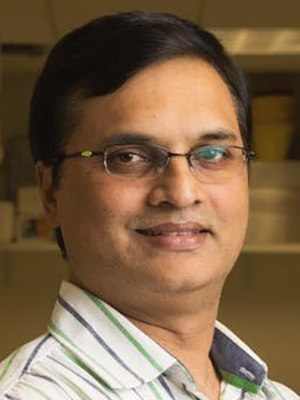
Dr. Kiran Mysore

agriculture. Even though my laboratory doesn’t work on symbiosis, we have significantly contributed to understanding symbiosis by providing the tools. We have developed a large collection of transposon (Tnt1) insertion lines in the model legume M. truncatula that has been used all over the world to study legume symbiosis.

Q2. What advice do you have for young scientists aspiring to achieve the level of science that has a major impact?

My advice to young scientists is to look beyond their own research project. New ideas often come when people read manuscripts that are outside of their own research or comfort zone. Another piece of advice to young scientists is to make sure to publish their findings. Some young scientists do good research but fail to publish. This is a waste of tax payers’ money, and someone else may waste their valuable time and resources to reinvent the wheel.

Q3. When you were a postdoc, what had the largest influence on your decision to enter your specific research area in your permanent position? Was this a “hot topic” at the time, or did you choose to go in a different direction?

During my postdoc studies, I worked on R gene-mediated disease resistance in tomato. During that time, farmers started to realize that a single R gene-mediated resistance was not durable in the field. For example, the UG99 strain of wheat stem rust was identified during that time and became popular in the media. An R gene that provided resistance against wheat stem rust for more than 30 years was broken down. This motivated me and got me interested in durable disease resistance. Nonhost resistance, which was not well studied at that time, caught my attention, and I decided to work on that in my permanent position. Effector biology was the hot topic during that time, and the field was getting crowded. I chose a different direction to work on nonhost resistance that was not a hot topic at the time.

InterStellar: Shanice Webster named 2022 HHMI Hanna Gray Fellow

ISMPMI 285 2 1955560 removebg preview

Issue 3

2022

interactions

Did You Know

02InterStellar Webster

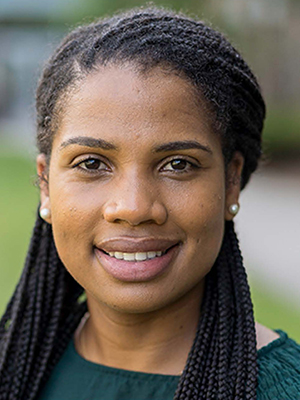
Earlier this year, the Howard Hughes Medical Institute (HHMI) announced the selection of 25 exceptional early-career scientists as 2022 Hanna Gray Fellows. This year’s cohort of Hanna Gray Fellows includes a plant-microbe trainee, Dr. Shanice Webster, at Duke University.​

From the HHMI website: Shanice Webster is mentored by Sheng Yang He and is examining tritrophic interactions among plants, pathogens, and the microbiome to uncover the general principles and mechanistic underpinnings of how pathogens and the microbiome influence each other in plant pathogenesis. Understanding these interactions is critical to understanding disease at a holistic level. Given the importance of plant–microbe interactions to plant health and food security, Webster hopes that her study can lead to new insights and methods of disease interventions to improve global sustainability in the face of climate change.

The program is named for Hanna Holborn Gray, former chair of the HHMI Board of Trustees and former president of the University of Chicago. Under Gray’s leadership, HHMI developed initiatives that foster diversity and inclusion in science education. HHMI continues to carry forward this work on college and university campuses across the United States.

Fellows receive funding for their postdoctoral training and may continue to receive funding during their early career years as independent faculty. In total, Fellows may receive up to $1.4 million each and be supported for up to eight years. In keeping with HHMI’s ethos of supporting “people, not projects,” Fellows will have the freedom to follow their curiosity and study the scientific questions that matter most—changing direction as needed—for the duration of the award.

A competition for the next group of Hanna Gray Fellows opens immediately. In 2023, the Institute will again select up to 25 Fellows. This grant competition is open to all eligible applicants, and no nomination is required. Applicants may obtain more information and eligibility requirements at www.hhmi.org/hanna-h-gray-fellows. The deadline for applications is December 7, 2022, at 3:00 p.m. (ET). The selection of Fellows will be made by late June 2023.

Email a link

InterStellar: Interview with 2022 APS Fellow Honoree Dr. Steve Whitham

ISMPMI 285 2 1955560 removebg preview

Issue 1

2020

interactions

Did You Know

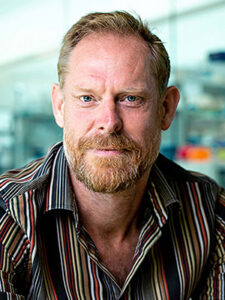
At the Plant Heath 2022 meeting in Pittsburgh, PA, Dr. Steve Whitham, Iowa State University, was named a 2022 Fellow of The American Phytopathological Society. This honor recognizes

02InterStellar Whitham award
Dr. Steve Whitham (center) is named an APS Fellow, with Dr. Mark Gleason (left) and APS Immediate Pa​st President Dr. Amy Charkowski (right).

distinguished contributions to plant pathology in one or more of the following areas: original research, teaching, administration, professional and public service, and extension and outreach.​

Q1. What area(s) of molecular plant–microbe interactions do you feel your research has impacted most?

Maybe four different areas: NBS-LRR resistance genes; host–virus interactions, especially from the host response perspective; host–rust fungus interactions, from both the host response side and characterization of candidate effector proteins; and engineering viruses for doing useful things in crop species.

Q2. What advice do you have for young scientists aspiring to achieve the level of science that has a major impact?

Find questions that excite you and that address important gaps in the field, keep an open mind to new ideas and areas of research and try to make connections to how they can be applied to your project(s), and seek out collaborators who complement your skill set and expertise.

02InterStellar Whitham
Dr. Steve Whitham​​​

Develop your soft skills, learn how to work effectively in teams, and try to find a good work–life balance.​

Q3. When you were a postdoc, what had the largest influence on your decision to enter your specific research area in your permanent position? Was this a “hot topic”

at the time, or did you choose to go in a different direction?

At the time I was a postdoc, the mechanisms of gene silencing were being sorted out, and the concept of virus-induced gene silencing as a fast-forward genetics approach was developed. This coincided with the first plant genomes becoming available and the development of microarray technologies for genome-wide mRNA transcript profiling, as well as proteomics. The confluence of these developments got me very interested in functional genomics and how these approaches could be applied to help us to understand the networks of genes that underlie plant–pathogen interactions.

InterStellar: Dr. Giles Oldroyd reflects on 50 years of Pride and STEM

ISMPMI 285 2 1955560 removebg preview

Issue 3

2022

interactions

Did You Know

02InterStellar Oldroyd

In 2020, Dr. Giles Oldroyd, the Russell R Geiger Professor of Crop Science, director of the Crop Science Centre, and group leader at the Sainsbury Laboratory, University of Cambridge, was elected as a Fellow of the Royal Society. You can read the interview with Dr. Oldroyd in a past issue of Interactions. Leading up to the induction ceremony this summer, Dr. Oldroyd posted a Royal Soci​ety blog reflecting on his life experience as an openly queer person.​

InterStellar: Interview with 2022 ASPB Stephen Hales Prize Awardee Dr. Xinnian Dong

ISMPMI 285 2 1955560 removebg preview

Issue 1

2020

interactions

Did You Know

At the Plant Biology 2022 meeting in Portland, OR, Dr. Xinnian Dong, Duke University, received the Stephen Hales Prize from the American Society of Plant Biologists. This award honors

02InterStellar Dong

the Reverend Stephen Hales for his pioneering work in plant biology published in his 1727 book Vegetable Staticks. It is a monetary award established in 1927 for an ASPB member who has served the science of plant biology in some noteworthy manner.

In addition to responding to the questions below, Dr. Dong recently completed a Q&A piece with Current Biology in which she addressed many questions that may be of interest to readers of IS-MPMI Interactions.

Q1. What area(s) of molecular plant–microbe interactions do you feel your research has impacted most?

One of my former postdocs told me that my lab’s research is more about understanding how plants turn off immunity than activating immunity. Even though this description is not completely correct, it emphasizes my research interest in how organisms avoid self-damage during a defense response. To satisfy this interest, the study of plant immune systems has great advantages over animal immune systems given that plant immune responses are activated in coordination through sophisticated regulatory mechanisms with other cellular functions, whereas animals have specialized cells designated to perform only immune functions. Indeed, in the past 30 years, my lab has discovered immune regulations at transcriptional, translational, cellular, and organismal levels involving processes such as protein secretory, DNA damage repair, and circadian and redox rhythms that integrate environmental factors such as humidity. Even the NPR1 protein that my lab has identified and studied all these years seems to have the do-it-all role in plants. In addition to inducing the expression and secretion of a wide range of stress proteins to confer systemic acquired resistance, it also manages the homeostasis of these stress proteins by forming biomolecular condensates to resolve the immune response to ensure cell survival under stress conditions. This single protein has kept me frustrated and fascinated for all these years!

What sustained my enthusiasm toward this line of research is its potential in developing new strategies for engineering crops with broad-spectrum disease resistance. I believe that broad-spectrum disease resistance should be a major goal for future crop engineering because it takes out the guesswork for consumers. (Can you imagine buying health insurance for just one disease?) In this direction, my lab has made a conceptual breakthrough by showing that broad-spectrum disease resistance can be achieved without the associated fitness cost in field-grown rice by making the translation of NPR1 pathogen-inducible. This was achieved using the 5′ leader sequence of the mRNA encoding a transcription factor known as TBF1, the translation of which is normally repressed under nonstress conditions to avoid cell lethality, but is rapidly and transiently induced upon pathogen challenge. We demonstrated that mRNA 5′ leader sequences, such as the one from TBF1, are easy, but effective, engineering targets for controlling protein production.

Q2. What advice do you have for young scientists aspiring to achieve the level of science that has a major impact?

Find time to think. Sunday afternoons in the office and each morning before getting out of bed are my quiet time to think. Even though we are in an information age, our brains have yet to evolve new ways of thinking. Therefore, the old way still works best. To find a potentially good research project requires serious consideration, patience, and opportunities. Sometimes, a project has great potential, but the tools are not there yet to bring it to fruition. This is when patience is needed. In the end, many impactful discoveries are made under unexpected circumstances. One common ingredient for these chance discoveries is the preparedness of the scientist.

Q3. When you were a postdoc, what had the largest influence on your decision to enter your specific research area in your permanent position? Was this a “hot topic” at the time, or did you choose to go in a different direction?

When I was a postdoc, the “hot topic” at the time was the cloning of “R genes,” which mediate the so-called gene-for-gene resistance. I was not involved in this effort because I was concerned that the resistance loci found in different crop species against a diverse array of pathogen signals might encode random proteins that were only discovered in agriculture due to the use of monocultures. Instead, I was interested in searching for and studying “basic” immune mechanisms in plants, which turned out to be systemic acquired resistance and pattern-triggered immunity. I wanted to find common plant defense mechanisms that are not specific to a pathogen signal. Of course, I was pleasantly surprised and excited when R genes were cloned and found to encode proteins with conserved structures.

After 30 years, the MPMI field is now a well-established discipline. Newcomers will have to think harder to identify a research direction in which their current expertise can give them an advantage, while their lack of training in the MPMI field is not a big enough obstacle to prevent them from getting started. We need newcomers to keep the field young.​​

InterStellar: Shanice Webster named 2022 HHMI Hanna Gray Fellow

ISMPMI 285 2 1955560 removebg preview

Issue 1

2020

interactions

Did You Know

Earlier this year, the Howard Hughes Medical Institute (HHMI) announced the selection of 25 exceptional early-career scientists as 2022 Hanna Gray Fellows. This year’s cohort of Hanna Gray

02InterStellar Webster

Fellows includes a plant-microbe trainee, Dr. Shanice Webster, at Duke University.​

From the HHMI website: Shanice Webster is mentored by Sheng Yang He and is examining tritrophic interactions among plants, pathogens, and the microbiome to uncover the general principles and mechanistic underpinnings of how pathogens and the microbiome influence each other in plant pathogenesis. Understanding these interactions is critical to understanding disease at a holistic level. Given the importance of plant–microbe interactions to plant health and food security, Webster hopes that her study can lead to new insights and methods of disease interventions to improve global sustainability in the face of climate change.

The program is named for Hanna Holborn Gray, former chair of the HHMI Board of Trustees and former president of the University of Chicago. Under Gray’s leadership, HHMI developed initiatives that foster diversity and inclusion in science education. HHMI continues to carry forward this work on college and university campuses across the United States.

Fellows receive funding for their postdoctoral training and may continue to receive funding during their early career years as independent faculty. In total, Fellows may receive up to $1.4 million each and be supported for up to eight years. In keeping with HHMI’s ethos of supporting “people, not projects,” Fellows will have the freedom to follow their curiosity and study the scientific questions that matter most—changing direction as needed—for the duration of the award.

A competition for the next group of Hanna Gray Fellows opens immediately. In 2023, the Institute will again select up to 25 Fellows. This grant competition is open to all eligible applicants, and no nomination is required. Applicants may obtain more information and eligibility requirements at www.hhmi.org/hanna-h-gray-fellows. The deadline for applications is December 7, 2022, at 3:00 p.m. (ET). The selection of Fellows will be made by late June 2023.

IS-MPMI Interactions – Issue 3, 2022

ISMPMI 285 2 1955560 removebg preview

Issue 3

2022

interactions
01SocNews Innes circle 2324319
Letter from IS-MPMI President Roger Innes
It is with great pleasure that I send you my first update as IS-MPMI president. My heartfelt thanks to Mary Beth Mudgett (IS-MPMI immediate past president), who helped IS-MPMI overcome enormous challenges during the pandemic; MPMI Editor-in-Chief Jeanne Harris, who has overseen the transformation of MPMI into a Gold Open Access journal; and our entire board for their service. Welcome as well to our two new junior members, Priya Sengupta and Goodluck Benjamin. I look forward to serving IS-MPMI and seeing you in person at 2023 IS-MPMI XIX in Rhode Island next July!

Did You Know

To recognize the work of early-career scientists, the MPMI Editorial Board has implemented a new award series to honor the best papers published by student first authors. For 2021, Kyungyong Seong received the first place award for “Computational Structural Genomics Unravels Common Folds and Novel Families in the Secretome of Fungal Phytopathogen Magnaporthe oryzae.” Zi-Hui Huang and Takemasa Kawaguchi received the second and third place awards, respectively.
 
IS-MPMI members Dr. Greg Martin and Dr. Blake Meyers have earned membership in the prestigious U.S. National Academy of Sciences. Haesong Kim recently conducted an interview with Dr. Martin asking several questions about his research on the molecular basis of bacterial pathogenesis and the plant immune system, his mentors and inspiration, and his advice for early-career researchers.
 
Dr. Gitta Coaker has received the 2022 Noel T. Keen Award from The American Phytopathological Society for research excellence in molecular plant pathology. Her research group studies a variety of plant–pathogen interactions, with central research questions focusing on plant immune signaling and pathogen effector biology.
 
InterStellar: Interview with 2022 APS Ruth Allen Award Recipient Dr. Kiran Mysore

Dr. Kiran Mysore has received the 2022 Ruth Allen Award from The American Phytopathological Society. The award honors individuals who have made an outstanding, innovative research contribution that has changed, or has the potential to change, the direction of research in any field of plant pathology.
 
Dr. Steve Whitham has been named a 2022 Fellow of The American Phytopathological Society. This honor recognizes distinguished contributions to plant pathology in one or more of the following areas: original research, teaching, administration, professional and public service, and extension and outreach.
Dr. Xinnian Dong has received the 2022 Stephen Hales Prize from the American Society of Plant Biologists. It is a monetary award honoring the Reverend Stephen Hales for his pioneering work in plant biology and is given to an ASPB member who has served the science of plant biology in a noteworthy manner.
 
Earlier this year, the Howard Hughes Medical Institute (HHMI) announced the selection of 25 exceptional early-career scientists as 2022 Hanna Gray Fellows. This year’s cohort of Fellows includes plant–microbe trainee Dr. Shanice Webster.
 
In 2020, Dr. Giles Oldroyd was elected as a Fellow of the Royal Society. Leading up to the induction ceremony this summer, Dr. Oldroyd posted a Royal Society blog reflecting on his life experience as an openly queer person.
 
Aphanomyces root rot of sugar beet, caused by Aphanomyces cochlioides, occurs in all major growing regions. In their recently published paper, Botkin et al. generated a de novo genome assembly for A. cochlioides using both long- and short-read technologies, resulting in a more contiguous assembly than for other Aphanomyces spp. genomes. This resource will enable investigations into virulence mechanisms, evolutionary relationships, genetic diversity, and the development of specific detection assays.
 
Dominique HoltappelsSiva SankariAmelia LovelaceManish Tiwari, and Tiffany (Tiff) Mak have joined the MPMI Editorial Board as assistant feature editors. These creative individuals have two-year appointments to explore new ways to present and amplify journal articles.
 
To include the viewpoints of members-in-training in society decision making and congress planning, the IS-MPMI Board of Directors has added two new junior members. We are pleased to welcome Priya Sengupta and Goodluck Benjamin to the board!
 
MPMI proudly presents a special focus issue addressing the #2 top unanswered research question identified by the MPMI scientific community: How do aspects of the abiotic environment affect plant–microbe interactions, and conversely, how do plant–microbe interactions affect host response to abiotic stress?
 
Explore the Editor’s picks from the June, July, and August issues of MPMI.
We are always looking for content for Interactions. Please contact Interactions Editor-in-Chief Dennis Halterman with questions or article ideas.

IS-MPMI Interactions – Issue 3, 2022

ISMPMI 285 2 1955560 removebg preview

Issue 1

2020

interactions
01SocNews Innes circle 2324319 (1)
Letter from IS-MPMI President Roger Innes
It is with great pleasure that I send you my first update as IS-MPMI president. My heartfelt thanks to Mary Beth Mudgett (IS-MPMI immediate past president), who helped IS-MPMI overcome enormous challenges during the pandemic; MPMI Editor-in-Chief Jeanne Harris, who has overseen the transformation of MPMI into a Gold Open Access journal; and our entire board for their service. Welcome as well to our two new junior members, Priya Sengupta and Goodluck Benjamin. I look forward to serving IS-MPMI and seeing you in person at 2023 IS-MPMI XIX in Rhode Island next July!

Did You Know

Also in this issue…

To recognize the work of early-career scientists, the MPMI Editorial Board has implemented a new award series to honor the best papers published by student first authors. For 2021, Kyungyong Seong received the first place award for “Computational Structural Genomics Unravels Common Folds and Novel Families in the Secretome of Fungal Phytopathogen Magnaporthe oryzae.” Zi-Hui Huang and Takemasa Kawaguchi received the second and third place awards, respectively.
 
IS-MPMI members Dr. Greg Martin and Dr. Blake Meyers have earned membership in the prestigious U.S. National Academy of Sciences. Haesong Kim recently conducted an interview with Dr. Martin asking several questions about his research on the molecular basis of bacterial pathogenesis and the plant immune system, his mentors and inspiration, and his advice for early-career researchers.
 
Dr. Gitta Coaker has received the 2022 Noel T. Keen Award from The American Phytopathological Society for research excellence in molecular plant pathology. Her research group studies a variety of plant–pathogen interactions, with central research questions focusing on plant immune signaling and pathogen effector biology.
 

InterStellar: Interview with 2022 APS Ruth Allen Award Recipient Dr. Kiran Mysore

Dr. Kiran Mysore has received the 2022 Ruth Allen Award from The American Phytopathological Society. The award honors individuals who have made an outstanding, innovative research contribution that has changed, or has the potential to change, the direction of research in any field of plant pathology.
 
Dr. Steve Whitham has been named a 2022 Fellow of The American Phytopathological Society. This honor recognizes distinguished contributions to plant pathology in one or more of the following areas: original research, teaching, administration, professional and public service, and extension and outreach.
Dr. Xinnian Dong has received the 2022 Stephen Hales Prize from the American Society of Plant Biologists. It is a monetary award honoring the Reverend Stephen Hales for his pioneering work in plant biology and is given to an ASPB member who has served the science of plant biology in a noteworthy manner.
 
Earlier this year, the Howard Hughes Medical Institute (HHMI) announced the selection of 25 exceptional early-career scientists as 2022 Hanna Gray Fellows. This year’s cohort of Fellows includes plant–microbe trainee Dr. Shanice Webster.
 
In 2020, Dr. Giles Oldroyd was elected as a Fellow of the Royal Society. Leading up to the induction ceremony this summer, Dr. Oldroyd posted a Royal Society blog reflecting on his life experience as an openly queer person.
 
Aphanomyces root rot of sugar beet, caused by Aphanomyces cochlioides, occurs in all major growing regions. In their recently published paper, Botkin et al. generated a de novo genome assembly for A. cochlioides using both long- and short-read technologies, resulting in a more contiguous assembly than for other Aphanomyces spp. genomes. This resource will enable investigations into virulence mechanisms, evolutionary relationships, genetic diversity, and the development of specific detection assays.
 
Dominique HoltappelsSiva SankariAmelia LovelaceManish Tiwari, and Tiffany (Tiff) Mak have joined the MPMI Editorial Board as assistant feature editors. These creative individuals have two-year appointments to explore new ways to present and amplify journal articles.
 
To include the viewpoints of members-in-training in society decision making and congress planning, the IS-MPMI Board of Directors has added two new junior members. We are pleased to welcome Priya Sengupta and Goodluck Benjamin to the board!
 
MPMI proudly presents a special focus issue addressing the #2 top unanswered research question identified by the MPMI scientific community: How do aspects of the abiotic environment affect plant–microbe interactions, and conversely, how do plant–microbe interactions affect host response to abiotic stress?
 
Explore the Editor’s picks from the June, July, and August issues of MPMI.
We are always looking for content for Interactions. Please contact Interactions Editor-in-Chief Dennis Halterman with questions or article ideas.

IS-MPMI Interactions – Issue 4, 2022

ISMPMI 285 2 1955560 removebg preview

Issue 1

2020

interactions
01Community RootShoot circle 2402342
ROOT & SHOOT Is Accepting Travel Award Applications for Members of SACNAS or MANRRS
IS-MPMI is a partner society with the NSF-funded LEAPS Research Coordination Network, which helps support the Rooting Out Oppression Together and SHaring Our Outcomes Transparently (ROOT & SHOOT) program. ROOT & SHOOT is currently accepting travel award applications for members of the Society for the Advancement of Chicano/Hispanics and Native Americans in Science (SACNAS) and Minorities in Agriculture, Natural Resources, and Related Sciences (MANRRS) to attend certain plant science conferences in 2023, including the IS-MPMI Congress. Applications for the ROOT & SHOOT Travel Awards are due January 9, 2023.

Did You Know

The program for the 2023 IS-MPMI Congress, which will be held July 16–20 in Providence, Rhode Island, USA, will feature concurrent sessions with new and exciting speakers and topics suggested by IS-MPMI members. All 18 concurrent session slots have been filled based on proposals from members. Two premeeting workshops have been added to cover important topics.
 
On January 1, 2023, USDA-ARS researcher Timothy Friesen will take over as MPMI editor-in-chief. Dr. Friesen’s long-standing involvement with MPMI makes him uniquely qualified for the role. He and his editorial board plan to add new article categories to help boost the visibility of MPMI and maintain its status as the premier journal for plant–microbe interactions. IS-MPMI and MPMI sincerely thank Jeanne Harris for her dedication to and leadership of MPMI.
Explore the most cited and read papers published in MPMI in 2022.
Kick Off 2023 with the Next What’s New in MPMI! Virtual Seminar

Register to hear Emma Gachomo present the Editor’s Pick “Bradyrhizobium japonicum IRAT FA3 Alters Arabidopsis thaliana Root Architecture via Regulation of Auxin Efflux Transporters PIN2PIN3PIN7, and ABCB19” on January 17, 2023, and catch up with recent seminars presented by Kyungyong Seong and Yusuke Saijo.
Discover the Editor’s Picks from the September, October, and November issues of MPMI.
We are always looking for content for Interactions. Please contact Interactions Editor-in-Chief Dennis Halterman with questions or article ideas.

ROOT & SHOOT Is Accepting Travel Award Applications for Members of SACNAS or MANRRS

ISMPMI 285 2 1955560 removebg preview

Issue 1

2020

interactions

Did You Know

01Community RootShoot logo

Did you know that IS-MPMI is a partner society with the NSF-funded LEAPS Research Coordination Network? This partnership helps support the Rooting Out Oppression Together and SHaring Our Outcomes Transparently (ROOT & SHOOT) program, which aims to make plant science more equitable and inclusive. Part of this mission involves building strong connections with organizations that support people of marginalized identities, including members of the Society for the Advancement of Chicano/Hispanics and Native Americans in Science (SACNAS) and Minorities in Agriculture, Natural Resources, and Related Sciences (MANRRS).

ROOT & SHOOT is currently accepting travel award applications for members of SACNAS or MANRRS to attend certain plant science conferences in 2023—and the 2023 IS-MPMI Congress, which will be held from July 16 to 20 in Rhode Island, is included in this list! These awards provide up to $3,000 to defray travel costs for a mentee/mentor pair that includes at least one member of SACNAS or MANRRS.

Applications for the ROOT & SHOOT Travel Awards are due January 9, 2023. We encourage all SACNAS or MANRRS members who are planning to travel to the IS-MPMI Congress from within the United States or internationally on a U.S. carrier (e.g., United, American, Delta) to take advantage of this amazing opportunity.

You can find the application, requirements, and more information on the ROOT & SHOOT website.

Discover more about the 2023 IS-MPMI Congress here. Abstract submission is now open through March 1, 2023.

Scroll to Top