Category: Volume 8 • 2024

Spotlight on Dr. Rikky Rai

ISMPMI 285 2 1955560 removebg preview

Issue 1

2020

interactions

Did You Know

Jawahar Singh, MPMI Assistant Features Editor​​

02InterCon Rai

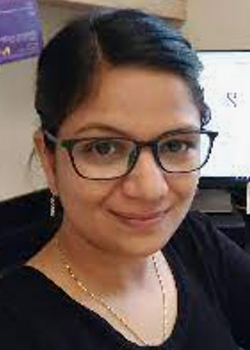
Rikky Rai is an assistant professor in the Department of Botany at the University of Allahabad, India. Her research examines the molecular interactions between plants and phytopathogens to develop sustainable disease management strategies, with a focus on Xanthomonas pathogens. In her recent MPMI paper, “The TALE Effector PthA4 of Xanthomonas citri subsp. citri Indirectly Activates an Expansin Gene CsEXP2 and an Endoglucanase CsEG1 via CsLOB1 to Cause Citrus Canker Symptoms,” written during her postdoctoral research in the laboratory of Prof. Nian Wang, Dr. Rai identified CsLOB1 targets, including CsEXP2 and CsEG1. Using designer TALEs (dTALEs), Drs. Rai and Wang showed that activating these genes alone can induce canker-like symptoms, even without CsLOB1, providing the first evidence that specific downstream genes can independently drive disease symptoms.

1. What do you think is the most important or exciting finding from your paper?

Our most exciting finding is that activation of a specific set of target genes can cause canker-like symptoms without CsLOB1. This opens new directions for understanding symptom development and potentially designing resistance strategies that disrupt these downstream pathways.

2. Was there a piece of data that was particularly challenging to obtain?

Achieving consistent activation of target genes using dTALEs was challenging. Variability in promoter activation, due to factors like suboptimal binding or posttranslational modifications, made functional analyses difficult for some genes. Optimizing this step was critical for success.

3. What research project are you most excited about right now?

I am exploring the diversity of TAL effectors in Xanthomonas pathogens across India’s diverse agroecological zones. This work will help uncover new host-pathogen specificity mechanisms and guide sustainable disease management strategies.

4. What advice would you give to starting graduate students?

Stay curious, think outside the box, and don’t be discouraged by unexpected results—they often lead to the best discoveries. Focus on interpreting your data objectively and never lose hope, even during challenging times.

5. Who has inspired you scientifically? Why?

My Ph.D. supervisor, Dr. Subhadeep Chatterjee, inspired me with his dedication and support during challenging projects. I also was influenced by Prof. Appa Rao Podile‘s engaging teaching style, which first sparked my interest in plant pathology.

6. What is the greatest challenge you have encountered in your career?

Balancing early motherhood with the demands of postdoctoral research, especially during the COVID-19 pandemic, was my biggest challenge. Perseverance, adaptability, and my husband’s support made it possible to continue thriving in science.

7. How can people find you on social media?

People can find me on X and LinkedIn​.

8. Is there anything else you would like to share?

I am deeply grateful to my postdoctoral mentors, Drs. Sarah Hind and Nian Wang, for their guidance and flexibility, which allowed me to balance personal and professional responsibilities.

9. Bonus question: What is your favorite pathogen?

Xanthomonas campestris, which is a significant concern in Uttar Pradesh, India.

10. Bonus question: What is your favorite molecular plant pathology paper?

“Repeated Gain and Loss of a Single Gene Modulates the Evolution of Vascular Plant Pathogen Lifestyles” (Science Advances, DOI: 10.1126/sciadv.abc4516). This study elegantly shows how the gain or loss of a single gene can switch Xanthomonas between vascular and nonvascular lifestyles.​

Spotlight on Chi Hzeng Wong

ISMPMI 285 2 1955560 removebg preview

Issue 1

2020

interactions

Did You Know

Ved Prakash, MPMI Assistant Feature Editor
02InterCon Wong

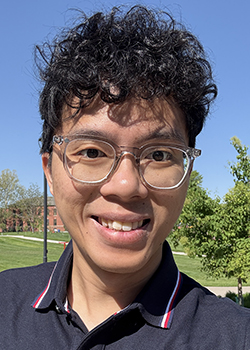
Chi Hzeng Wong is a plant virologist currently investigating viral synergistic interactions in wheat as a doctoral student at the University of Nebraska. His research journey began during his undergraduate studies in the Department of Plant Pathology at the National Chung Hsing University in Taiwan, where he developed a foundation in plant disease management. During his master’s degree program at the Graduate Institute of Biotechnology, he focused on plant virus-host interactions of Bamboo mosaic virus, identifying host proteins involved in viral infection.

Wong’s current research examines the molecular mechanisms underlying disease synergism between Wheat streak mosaic virus and Triticum mosaic virus, with particular focus on viral protein interactions that enhance pathogenicity. His work has identified specific viral determinants (P1 and NIaPro cistrons) responsible for synergistic interactions, challenging previous assumptions about viral synergism mechanisms.

​Inspired by Professor Wen-Ling Deng‘s approach to connecting research with practical applications, Wong aims to translate fundamental discoveries about viral pathogenesis into strategies for protecting important food crops. Beyond wheat viruses, he maintains a fascination with Tomato yellow leaf curl virus for its remarkable evolutionary adaptability. Wong believes in balancing scientific rigor with personal well-being, emphasizing that health and human connections form the foundation of sustainable and impactful research.

1. What do you think is the most important or exciting finding from your paper?

The most important finding from our paper published in MPMI, “Plant Viral Synergism: Co-expression of P1 and NIaPro Cistrons of Wheat Streak Mosaic Virus and Triticum Mosaic Virus Is Required for Synergistic Interaction in Wheat,” is the identification of specific viral proteins responsible for the synergistic interaction between Wheat streak mosaic virus (WSMV) and Triticum mosaic virus (TriMV) in wheat. We discovered that coexpression of P1 and NIaPro cistrons of both viruses is sufficient to drive disease synergism in wheat, causing enhanced symptom severity and increased viral accumulation similar to what’s observed in natural coinfections.

What makes this finding particularly exciting is that we’ve shown this synergism isn’t caused by the suppression of host posttranscriptional gene-silencing mechanisms, as was previously thought for other viral synergistic interactions. Instead, our research suggests a novel mechanism of interaction between these viral proteins that significantly amplifies disease severity.

2. Was there a piece of data that was particularly challenging to obtain or a part of the project that was particularly difficult to achieve?

One of the most challenging aspects of this project was creating and maintaining the various viral constructs with inserted cistrons from partner viruses. Engineering WSMV with TriMV cistrons and vice versa required precise molecular techniques to ensure the stability of these foreign sequences in the viral genomes. The foreign sequences will not always stay still in the infectious clones, as expected, and some conditions might be required for stability.

3. What research project are you most excited about right now?

Based on the findings from this paper, I’m most excited about further exploring the molecular mechanisms behind the P1 and NIaPro interaction in viral synergism. I’m particularly interested in identifying the specific protein domains and motifs within these viral proteins that are responsible for the synergistic effect. Additionally, I’m eager to investigate how these viral determinants interact with host factors in wheat. Understanding these virus-host interactions could provide critical insights for developing novel resistance strategies against these economically important wheat pathogens.

4. What drew you to your current lab?

My journey in plant virology began during my second year of undergraduate studies, which established my early interest in this field. During my master’s degree program, I focused on plant virus-host interactions of Bamboo mosaic virus, working to identify host proteins involved in viral infection. This experience sparked my deeper interest in fundamental research and its practical applications in agriculture.

What drew me to my current lab was its perfect alignment with my research philosophy: applying molecular mechanistic understanding to develop resistance in crop plants. The lab’s focus on wheat viruses and their impact on field crops provides an ideal environment to pursue both fundamental questions about viral pathogenesis and translational research that can protect important food crops.

I was particularly attracted to the lab’s integrated approach, which combines molecular virology, plant pathology, and agricultural applications. The opportunity to work on economically significant pathogens like WSMV and TriMV, while utilizing advanced molecular techniques to understand their interactions, presented the perfect continuation of my academic journey from basic host-virus interactions to applied plant protection strategies.

5. How did you choose to join your current graduate program?

My path to my current graduate program was primarily guided by the opportunity to work with my advisor, who is a respected member of this program. However, my journey in plant science has been shaped by a progression of educational experiences that continually deepened my expertise in plant-pathogen interactions.

I began my academic journey in the Department of Plant Pathology at the National Chung Hsing University in Taiwan during my undergraduate studies, which established my foundation in understanding plant diseases and their management. This early exposure sparked my interest in the fascinating world of plant-microbe interactions.

For my master’s degree, I shifted to the Graduate Institute of Biotechnology, which allowed me to develop advanced molecular skills while continuing to focus on plant pathogens, particularly viruses. This interdisciplinary training proved invaluable in bridging fundamental molecular biology with applied plant pathology.

What I find most compelling about my current program is that it extends beyond studying viruses in isolation. The program’s approach encompasses broader microbiome interactions, which aligns with my growing interest in understanding how complex microbial communities influence plant health. This holistic perspective offers exciting possibilities for developing more sustainable approaches to crop protection.

6. What advice would you give to starting graduate students?

I would emphasize the critical importance of meticulous record-keeping for all experiments, regardless of their outcome. Some of my most significant breakthroughs emerged from carefully documented “failures” that later revealed important insights. These unsuccessful attempts often contain valuable clues that eventually guide you toward successful outcomes.

Staying current with scientific literature is essential in a rapidly evolving field like plant virology. I make it a habit to regularly review new publications and attend seminars to keep abreast of emerging technologies and approaches. This continuous learning has often helped me incorporate innovative methods into my research.

I would encourage new graduate students to reframe how they view experimental challenges. Rather than seeing troubleshooting as a frustration, embrace it as an integral and valuable part of the scientific learning process. Some of my most profound learning experiences came from diagnosing and solving technical problems in complex experiments.

Perhaps most importantly, foster open scientific discussions with fellow graduate students and faculty members. I’ve found tremendous value in seeking perspectives from colleagues with different backgrounds and expertise. These conversations often generate novel ideas and approaches that wouldn’t emerge when working in isolation. The collaborative nature of science is one of its greatest strengths, and building these connections early in your career can lead to both better science and a more supportive research environment.

7. Who has inspired you scientifically? Why?

Professor Wen-Ling Deng, who specializes in plant bacteriology, has been my greatest scientific inspiration. What resonates most deeply with me about her approach is how she seamlessly connects rigorous research to everyday applications. Her passion for science is matched by her commitment to sharing knowledge and directly helping people through her work. This model of conducting meaningful research that extends beyond academic publications to tangible benefits for society has profoundly shaped my own scientific aspirations.

The global pandemic offered another source of inspiration through the collective efforts of scientists working on COVID-19. Witnessing how researchers rapidly identified viral variations and developed effective vaccines reinforced for me the fundamental purpose of scientific inquiry. These scientists demonstrated how virology research—whether focused on human or plant pathogens—can have transformative impacts when the knowledge is translated into practical solutions.

This parallel between plant and human virology research during the pandemic rekindled my appreciation for the broader significance of my own work. While I study wheat viruses rather than human pathogens, the underlying principles of understanding viral mechanisms, evolution, and host interactions remain remarkably similar. The pandemic response reminded me that foundational research on viral pathogenesis, even in agricultural systems, contributes to our collective capacity to address biological threats to both food security and human health.

8. Have you been involved in other scientific/professional development activities? And how have these contributed to your training?

I have primarily focused my efforts on laboratory research and academic coursework during my scientific training. While I haven’t formally participated in activities specifically designated as professional development, my research experiences themselves have provided valuable opportunities for skill development beyond technical expertise.

9. What is the greatest challenge you have encountered in your career? What did you do to overcome this challenge?

The greatest challenge I’ve encountered in my scientific career wasn’t technical or intellectual, it was maintaining my passion and motivation through repeated setbacks. After experiencing multiple experimental failures and disappointing results, I began to question whether research was truly my path. This loss of enthusiasm affected not only my productivity but also my identity as a scientist.

I’ve come to recognize that maintaining good mental health is the foundation of a sustainable research career. When I felt my passion waning, I learned that I needed to address this challenge as deliberately as I would approach a scientific problem.

To overcome this challenge, I first reached out to people I deeply trust, family members and close friends outside of academia who could provide perspective. These conversations helped me articulate my doubts and recognize that periodic struggles with motivation are normal aspects of any challenging career.

I also connected with supportive colleagues who shared their own experiences with similar challenges. Learning that even accomplished scientists sometimes question their path was incredibly validating and helped me see my situation as a natural part of the scientific journey rather than a personal failure.

Most importantly, I learned to listen to myself and acknowledge my feelings rather than trying to suppress them. By recognizing early signs of burnout and making intentional efforts to reconnect with what initially drew me to science, I’ve developed more resilience.

10. How can people find you on social media?

People can find me on LinkedIn.

11. Is there anything else you would like to share in your Spotlight? If so, what is it?

Health comes first before anything else in research. While scientific results matter, I’ve learned that maintaining well-being is fundamental to sustainable productivity. Building meaningful connections with colleagues creates both a supportive environment and more innovative science. No researcher is an island—our work flourishes when we prioritize both personal health and collaborative relationships. This balanced approach has been key to my most rewarding scientific achievements.

12. Bonus question: What’s your favorite story from an IS-MPMI meeting?

I haven’t yet had the opportunity to attend an IS-MPMI meeting, but I’m looking forward to participating in future conferences.

13. Bonus question: What’s your favorite pathogen or disease?

Tomato yellow leaf curl virus (TYLCV) fascinates me despite working primarily with wheat viruses. As a DNA geminivirus, TYLCV exhibits remarkably high recombination and mutation rates that rival those of RNA viruses, a characteristic that challenges conventional understanding of DNA virus evolution. This extraordinary adaptability enables TYLCV to overcome resistance and expand its host range, creating a compelling evolutionary puzzle. I find the convergent evolutionary strategies between these DNA geminiviruses and RNA viruses particularly intriguing, as they represent a fascinating case of how different pathogens can arrive at similar solutions for survival and propagation.

14. Bonus question: What’s your favorite molecular plant pathology-related paper?

“Differential Accumulation of Innate- and Adaptive-Immune-Response-Derived Transcripts During Antagonism Between Papaya Ringspot Virus and Papaya Mosaic Virus” stands out as a particularly compelling paper in molecular plant pathology. What makes this work fascinating is its examination of both synergistic and antagonistic interactions between co-infecting viruses, which is a rare comprehensive approach in the field.

Connect with IS-MPMI on Social!

ISMPMI 285 2 1955560 removebg preview

Issue 1

2020

interactions

Did You Know

LinkedIn logo

Connect and collaborate with other members in our new IS-MPMI Member Online Community on LinkedIn. Join to​day.

Bluesky logo

Follow IS-MPMI and MPMI on Bluesky at @ismpmi.bsky.social to keep up on IS-MPMI events and news, and stay up to date on the latest research with @mpmijournal.bsky.social.​​

Welcome New IS-MPMI Members

ISMPMI 285 2 1955560 removebg preview

Issue 1

2020

interactions

Did You Know

Maria Chalikiopoulou
Luigi Faino
Shikha Gautam
Aude Herrera-Belaroussi
Tochukwu Chisom Iguh
Haruna Yahaya Ismail
Dennis Lozada
Hitendra Kumar Patel
Tapish Pawar
Brian W. Pusch
Rikky Rai
Edgar Antonio Rodriguez-Negrete
Silvia Rossbach​​

IS-MPMI Interactions – Issue 3, 2025

ISMPMI 285 2 1955560 removebg preview

Issue 1

2020

interactions
01InterStel Jin circle25 3152834
From Colorful Balcony Plants to Pathogens: Professor Hailing Jin's Scientific Journey to the National Academy of Sciences
Professor Hailing Jin, Cy Mouradick Endowed Chair in the Department of Microbiology and Plant Pathology, University of California, Riverside, was recently elected to the National Academy of Sciences (NAS). MPMI Assistant Features Editor Ruby Tiwari interviewed Jin about her journey and how early curiosity, nurturing mentors, and persistence can shape a lifelong passion for discovery.

Did You Know

InterConnections

Spotlight on Dr. Rikky Rai

Rikky Rai is an assistant professor in the Department of Botany at the University of Allahabad, India. Learn how her exploration of the diversity of TAL effectors in Xanthomonas pathogens across diverse agroecological zones will help uncover new host-pathogen specificity mechanisms and guide sustainable disease management strategies.

Spotlight on Chi Hzeng Wong

Chi Hzeng Wong, a doctoral student at the University of Nebraska, is currently investigating viral synergistic interactions in wheat. Discover how Wong is working to translate fundamental discoveries about viral pathogenesis into strategies for protecting important food crops.
 

News and Opportunities

Connect and collaborate with members in our new IS-MPMI Member Online Community on LinkedIn, and follow IS-MPMI and MPMI on Bluesky to keep up on events, news, and the latest research.
 
Join us in welcoming new members to the IS-MPMI community.
 
This focus issue aims to highlight cutting-edge advances in our understanding of the dynamic relationships between plants and microbes within the rhizosphere. Submit your research for consideration by November 1, 2025.
 
Catch up on the most recent MPMI Editor’s Picks authored by Sabhjeet Kaur et al., “Suppression of a Transketolase Mutation Leads to Only Partial Restoration of Symbiosis in Sinorhizobium meliloti“; Yilin Zhang et al., “Interaction Between Barley Yellow Dwarf Virus-GAV Movement Protein and VOZ Proteins Delays Flowering of Plant”; and Diana Gomez De La Cruz et al., “The XopAE Effector from Xanthomonas phaseoli pv. manihotis Targets HSP20-like p23 Cochaperone to Suppress Plant Basal Immunity.”
 
Check out the Job Center on the IS-MPMI website.
 

From Colorful Balcony Plants to Pathogens: Professor Hailing Jin’s Scientific Journey to the National Academy of Sciences

ISMPMI 285 2 1955560 removebg preview

Issue 1

2020

interactions

Did You Know

Professor Hailing Jin was interviewed by Ruby Tiwari, MPMI Assistant Features Editor

01InterStel Jin

Hailing Jin joined the Department of Microbiology and Plant Pathology at the University of California, Riverside, in 2004, where she is now a professor and the Cy Mouradick Endowed Chair. Her research focuses on the roles of RNAs and peptides in plant-microbe interactions and the molecular mechanisms underlying plant immunity and pathogen virulence. With the overarching goal of developing effective and environmentally sustainable strategies to combat plant diseases and secure global food production, her work bridges fundamental discovery with real-world impact.

Upon learning of her election to the National Academy of Sciences (NAS), she described the news as a “huge surprise, totally unexpected.” She views her election to NAS as both an honor and a responsibility, which strengthens her commitment to advancing science, mentoring the next generation, and driving sustainable agriculture through basic and translational research in RNA, epigenetics, and antimicrobial peptides.

Hailing Jin’s journey shows how early curiosity, nurturing mentors, and persistence can shape a lifelong passion for discovery. From peering at blood cells under a microscope as a child to uncovering cross-kingdom RNA communication—a breakthrough that revealed how plants and pathogens exchange molecular messages—her career reflects the power of asking bold questions and embracing challenges. She reminds young scientists that setbacks and surprises are part of the process, and persistence, creativity, and curiosity are the keys to turning them into breakthroughs. Her election to the NAS is not just recognition of her achievements but also a call to inspire and support future scientists.

Can you briefly share your journey into science, and what first sparked your interest in the field of molecular plant-microbe interactions?

My journey into science began in childhood with my grandfather’s balcony full of colorful flowering plants, which first sparked my love for plants and my curiosity about nature. In elementary school, I often accompanied my mom to her lab on weekends, where seeing blood cells under a microscope opened my eyes to the hidden details of life. Later, during a high school internship in an Obstetrics/Gynecology Department examining chromosome slides, I fell in love with genetics. Together, these experiences guided me toward biology and plant sciences, where I’ve built my passion for uncovering how plants function and defend themselves.

Were there any key mentors or moments that shaped your scientific path early on?

My very first scientific mentor was my mother. She sat me down at a microscope, taught me how to stain and distinguish human chromosomes, and, most importantly, showed me how to think with curiosity and rigor like a scientist. That early spark shaped the way I see the world. Throughout my journey, I have been blessed with remarkable mentors—my Ph.D. advisors, postdoctoral mentors, and senior colleagues in the fields of plant molecular biology and plant-microbe interaction—who have shared not just knowledge, but also wisdom, encouragement, and inspiration over the years. They have profoundly influenced the way I pursue science and mentor the next generation.

Your research has had a significant impact on the field of molecular plant-microbe interactions. How would you describe your most influential work(s) to your colleagues?

I would describe our discovery of cross-kingdom RNA trafficking as uncovering an entirely new form of communication between hosts and pathogens. We have found that plants and their pathogens engage in a remarkable dialogue by exchanging RNA molecules, which are protected and delivered in vesicle “bubbles,” almost like messages, to influence and manipulate each other. This work opened a new window into how organisms interact at the molecular level and revealed a strategy that pathogens use to promote infection—and that plants use to defend themselves.

Looking back, were there any surprising turns or discoveries in your research that changed your trajectory?

Not really, I was very determined and had a strong passion for plant sciences and RNA biology right from the beginning.

What does being elected to the NAS mean to you personally and professionally? What responsibilities do you feel come with this kind of recognition from your peers?

This recognition means a great deal to me, but I see it less as a conclusion and more as a new beginning. Being elected to the NAS is both an honor and a responsibility—an acknowledgment of past contributions, but also a call to do more. It inspires me to advance science with greater dedication, to translate scientific discoveries into eco-friendly crop protection solutions, to support the broader research community, and to continue mentoring the next generation of scientists. I am especially proud that 17 members of my lab have gone on to faculty positions, and I remain deeply committed to helping many more achieve their goals.

What is the biggest challenge you have faced in your research to date, and how did you overcome it?

The biggest challenge—and at the same time the most exciting part—of my research has been uncovering something completely novel and unexpected. Such discoveries naturally spark many questions, both from myself and from peers in the field, but they also push me to think more deeply and design more creative experimental strategies to rigorously test the findings from multiple angles. I’ve learned that the best way to overcome the challenge is persistence: thinking critically, testing broadly, and approaching the question from different perspectives. What makes it especially rewarding is seeing our discoveries later validated by many other labs across diverse plant, microbe, and even animal systems, confirming their broader significance.

What advice would you give to early-career scientists hoping to make a lasting impact in the field of molecular plant-microbe interactions?

My advice to early-career scientists is to hold on to your passion for science and let curiosity be your guide. The field of molecular plant-microbe interactions is full of complexity and surprises, and lasting impact often comes from asking bold questions and not being afraid to explore uncharted directions. The only thing you need is to think more and test more. Stay focused on solving meaningful problems, even when the path is challenging, and let your curiosity drive you through obstacles. Above all, enjoy the process of discovery—because it’s that passion and persistence that will carry you forward and make your contributions truly lasting.

What do you wish more people understood about molecular plant-microbe interactions research?

I wish more people understood that molecular plant-microbe interactions research is not just about plants or pathogens in isolation—it’s about the complex, dynamic conversations happening at the molecular level that shape food security and sustainable agriculture. This research uncovers the fundamental rules of communication, defense, and adaptation in nature, and it has real-world impacts on crop protection, disease management, and even biotechnology. Appreciating the depth and relevance of these interactions helps highlight why investing in this field is critical for both science and society.

Are there any emerging areas in your field of research that you think are particularly promising or underexplored?

One particularly promising area is the role of RNAs and epigenetic regulation in plant–microbe interactions. We are only beginning to understand how small RNAs and other RNA species move between plants and microbes, and even among microbes themselves, to shape immunity and pathogenicity, what exactly their paths and functions are in the destination cells and organisms, and how epigenetic modifications influence these processes across generations. These aspects are still waiting to be explored. These layers of regulation open exciting opportunities to uncover new mechanisms of communication and to identify new defense regulators, which could ultimately lead to innovative, sustainable strategies for crop protection.

Spotlight on Dr. Rikky Rai

ISMPMI 285 2 1955560 removebg preview

Issue 1

2020

interactions

Did You Know

Jawahar Singh, MPMI Assistant Features Editor​​

02InterCon Rai

Rikky Rai is an assistant professor in the Department of Botany at the University of Allahabad, India. Her research examines the molecular interactions between plants and phytopathogens to develop sustainable disease management strategies, with a focus on Xanthomonas pathogens. In her recent MPMI paper, “The TALE Effector PthA4 of Xanthomonas citri subsp. citri Indirectly Activates an Expansin Gene CsEXP2 and an Endoglucanase CsEG1 via CsLOB1 to Cause Citrus Canker Symptoms,” written during her postdoctoral research in the laboratory of Prof. Nian Wang, Dr. Rai identified CsLOB1 targets, including CsEXP2 and CsEG1. Using designer TALEs (dTALEs), Drs. Rai and Wang showed that activating these genes alone can induce canker-like symptoms, even without CsLOB1, providing the first evidence that specific downstream genes can independently drive disease symptoms.

1. What do you think is the most important or exciting finding from your paper?

Our most exciting finding is that activation of a specific set of target genes can cause canker-like symptoms without CsLOB1. This opens new directions for understanding symptom development and potentially designing resistance strategies that disrupt these downstream pathways.

2. Was there a piece of data that was particularly challenging to obtain?

Achieving consistent activation of target genes using dTALEs was challenging. Variability in promoter activation, due to factors like suboptimal binding or posttranslational modifications, made functional analyses difficult for some genes. Optimizing this step was critical for success.

3. What research project are you most excited about right now?

I am exploring the diversity of TAL effectors in Xanthomonas pathogens across India’s diverse agroecological zones. This work will help uncover new host-pathogen specificity mechanisms and guide sustainable disease management strategies.

4. What advice would you give to starting graduate students?

Stay curious, think outside the box, and don’t be discouraged by unexpected results—they often lead to the best discoveries. Focus on interpreting your data objectively and never lose hope, even during challenging times.

5. Who has inspired you scientifically? Why?

My Ph.D. supervisor, Dr. Subhadeep Chatterjee, inspired me with his dedication and support during challenging projects. I also was influenced by Prof. Appa Rao Podile‘s engaging teaching style, which first sparked my interest in plant pathology.

6. What is the greatest challenge you have encountered in your career?

Balancing early motherhood with the demands of postdoctoral research, especially during the COVID-19 pandemic, was my biggest challenge. Perseverance, adaptability, and my husband’s support made it possible to continue thriving in science.

7. How can people find you on social media?

People can find me on X and LinkedIn​.

8. Is there anything else you would like to share?

I am deeply grateful to my postdoctoral mentors, Drs. Sarah Hind and Nian Wang, for their guidance and flexibility, which allowed me to balance personal and professional responsibilities.

9. Bonus question: What is your favorite pathogen?

Xanthomonas campestris, which is a significant concern in Uttar Pradesh, India.

10. Bonus question: What is your favorite molecular plant pathology paper?

“Repeated Gain and Loss of a Single Gene Modulates the Evolution of Vascular Plant Pathogen Lifestyles” (Science Advances, DOI: 10.1126/sciadv.abc4516). This study elegantly shows how the gain or loss of a single gene can switch Xanthomonas between vascular and nonvascular lifestyles.​

Spotlight on Chi Hzeng Wong

ISMPMI 285 2 1955560 removebg preview

Issue 1

2020

interactions

Did You Know

Ved Prakash, MPMI Assistant Feature Editor

02InterCon Wong

Chi Hzeng Wong is a plant virologist currently investigating viral synergistic interactions in wheat as a doctoral student at the University of Nebraska. His research journey began during his undergraduate studies in the Department of Plant Pathology at the National Chung Hsing University in Taiwan, where he developed a foundation in plant disease management. During his master’s degree program at the Graduate Institute of Biotechnology, he focused on plant virus-host interactions of Bamboo mosaic virus, identifying host proteins involved in viral infection.

Wong’s current research examines the molecular mechanisms underlying disease synergism between Wheat streak mosaic virus and Triticum mosaic virus, with particular focus on viral protein interactions that enhance pathogenicity. His work has identified specific viral determinants (P1 and NIaPro cistrons) responsible for synergistic interactions, challenging previous assumptions about viral synergism mechanisms.

​Inspired by Professor Wen-Ling Deng‘s approach to connecting research with practical applications, Wong aims to translate fundamental discoveries about viral pathogenesis into strategies for protecting important food crops. Beyond wheat viruses, he maintains a fascination with Tomato yellow leaf curl virus for its remarkable evolutionary adaptability. Wong believes in balancing scientific rigor with personal well-being, emphasizing that health and human connections form the foundation of sustainable and impactful research.

1. What do you think is the most important or exciting finding from your paper?

The most important finding from our paper published in MPMI, “Plant Viral Synergism: Co-expression of P1 and NIaPro Cistrons of Wheat Streak Mosaic Virus and Triticum Mosaic Virus Is Required for Synergistic Interaction in Wheat,” is the identification of specific viral proteins responsible for the synergistic interaction between Wheat streak mosaic virus (WSMV) and Triticum mosaic virus (TriMV) in wheat. We discovered that coexpression of P1 and NIaPro cistrons of both viruses is sufficient to drive disease synergism in wheat, causing enhanced symptom severity and increased viral accumulation similar to what’s observed in natural coinfections.

What makes this finding particularly exciting is that we’ve shown this synergism isn’t caused by the suppression of host posttranscriptional gene-silencing mechanisms, as was previously thought for other viral synergistic interactions. Instead, our research suggests a novel mechanism of interaction between these viral proteins that significantly amplifies disease severity.

2. Was there a piece of data that was particularly challenging to obtain or a part of the project that was particularly difficult to achieve?

One of the most challenging aspects of this project was creating and maintaining the various viral constructs with inserted cistrons from partner viruses. Engineering WSMV with TriMV cistrons and vice versa required precise molecular techniques to ensure the stability of these foreign sequences in the viral genomes. The foreign sequences will not always stay still in the infectious clones, as expected, and some conditions might be required for stability.

3. What research project are you most excited about right now?

Based on the findings from this paper, I’m most excited about further exploring the molecular mechanisms behind the P1 and NIaPro interaction in viral synergism. I’m particularly interested in identifying the specific protein domains and motifs within these viral proteins that are responsible for the synergistic effect. Additionally, I’m eager to investigate how these viral determinants interact with host factors in wheat. Understanding these virus-host interactions could provide critical insights for developing novel resistance strategies against these economically important wheat pathogens.

4. What drew you to your current lab?

My journey in plant virology began during my second year of undergraduate studies, which established my early interest in this field. During my master’s degree program, I focused on plant virus-host interactions of Bamboo mosaic virus, working to identify host proteins involved in viral infection. This experience sparked my deeper interest in fundamental research and its practical applications in agriculture.

What drew me to my current lab was its perfect alignment with my research philosophy: applying molecular mechanistic understanding to develop resistance in crop plants. The lab’s focus on wheat viruses and their impact on field crops provides an ideal environment to pursue both fundamental questions about viral pathogenesis and translational research that can protect important food crops.

I was particularly attracted to the lab’s integrated approach, which combines molecular virology, plant pathology, and agricultural applications. The opportunity to work on economically significant pathogens like WSMV and TriMV, while utilizing advanced molecular techniques to understand their interactions, presented the perfect continuation of my academic journey from basic host-virus interactions to applied plant protection strategies.

5. How did you choose to join your current graduate program?

My path to my current graduate program was primarily guided by the opportunity to work with my advisor, who is a respected member of this program. However, my journey in plant science has been shaped by a progression of educational experiences that continually deepened my expertise in plant-pathogen interactions.

I began my academic journey in the Department of Plant Pathology at the National Chung Hsing University in Taiwan during my undergraduate studies, which established my foundation in understanding plant diseases and their management. This early exposure sparked my interest in the fascinating world of plant-microbe interactions.

For my master’s degree, I shifted to the Graduate Institute of Biotechnology, which allowed me to develop advanced molecular skills while continuing to focus on plant pathogens, particularly viruses. This interdisciplinary training proved invaluable in bridging fundamental molecular biology with applied plant pathology.

What I find most compelling about my current program is that it extends beyond studying viruses in isolation. The program’s approach encompasses broader microbiome interactions, which aligns with my growing interest in understanding how complex microbial communities influence plant health. This holistic perspective offers exciting possibilities for developing more sustainable approaches to crop protection.

6. What advice would you give to starting graduate students?

I would emphasize the critical importance of meticulous record-keeping for all experiments, regardless of their outcome. Some of my most significant breakthroughs emerged from carefully documented “failures” that later revealed important insights. These unsuccessful attempts often contain valuable clues that eventually guide you toward successful outcomes.

Staying current with scientific literature is essential in a rapidly evolving field like plant virology. I make it a habit to regularly review new publications and attend seminars to keep abreast of emerging technologies and approaches. This continuous learning has often helped me incorporate innovative methods into my research.

I would encourage new graduate students to reframe how they view experimental challenges. Rather than seeing troubleshooting as a frustration, embrace it as an integral and valuable part of the scientific learning process. Some of my most profound learning experiences came from diagnosing and solving technical problems in complex experiments.

Perhaps most importantly, foster open scientific discussions with fellow graduate students and faculty members. I’ve found tremendous value in seeking perspectives from colleagues with different backgrounds and expertise. These conversations often generate novel ideas and approaches that wouldn’t emerge when working in isolation. The collaborative nature of science is one of its greatest strengths, and building these connections early in your career can lead to both better science and a more supportive research environment.

7. Who has inspired you scientifically? Why?

Professor Wen-Ling Deng, who specializes in plant bacteriology, has been my greatest scientific inspiration. What resonates most deeply with me about her approach is how she seamlessly connects rigorous research to everyday applications. Her passion for science is matched by her commitment to sharing knowledge and directly helping people through her work. This model of conducting meaningful research that extends beyond academic publications to tangible benefits for society has profoundly shaped my own scientific aspirations.

The global pandemic offered another source of inspiration through the collective efforts of scientists working on COVID-19. Witnessing how researchers rapidly identified viral variations and developed effective vaccines reinforced for me the fundamental purpose of scientific inquiry. These scientists demonstrated how virology research—whether focused on human or plant pathogens—can have transformative impacts when the knowledge is translated into practical solutions.

This parallel between plant and human virology research during the pandemic rekindled my appreciation for the broader significance of my own work. While I study wheat viruses rather than human pathogens, the underlying principles of understanding viral mechanisms, evolution, and host interactions remain remarkably similar. The pandemic response reminded me that foundational research on viral pathogenesis, even in agricultural systems, contributes to our collective capacity to address biological threats to both food security and human health.

8. Have you been involved in other scientific/professional development activities? And how have these contributed to your training?

I have primarily focused my efforts on laboratory research and academic coursework during my scientific training. While I haven’t formally participated in activities specifically designated as professional development, my research experiences themselves have provided valuable opportunities for skill development beyond technical expertise.

9. What is the greatest challenge you have encountered in your career? What did you do to overcome this challenge?

The greatest challenge I’ve encountered in my scientific career wasn’t technical or intellectual, it was maintaining my passion and motivation through repeated setbacks. After experiencing multiple experimental failures and disappointing results, I began to question whether research was truly my path. This loss of enthusiasm affected not only my productivity but also my identity as a scientist.

I’ve come to recognize that maintaining good mental health is the foundation of a sustainable research career. When I felt my passion waning, I learned that I needed to address this challenge as deliberately as I would approach a scientific problem.

To overcome this challenge, I first reached out to people I deeply trust, family members and close friends outside of academia who could provide perspective. These conversations helped me articulate my doubts and recognize that periodic struggles with motivation are normal aspects of any challenging career.

I also connected with supportive colleagues who shared their own experiences with similar challenges. Learning that even accomplished scientists sometimes question their path was incredibly validating and helped me see my situation as a natural part of the scientific journey rather than a personal failure.

Most importantly, I learned to listen to myself and acknowledge my feelings rather than trying to suppress them. By recognizing early signs of burnout and making intentional efforts to reconnect with what initially drew me to science, I’ve developed more resilience.

10. How can people find you on social media?

People can find me on LinkedIn.

11. Is there anything else you would like to share in your Spotlight? If so, what is it?

Health comes first before anything else in research. While scientific results matter, I’ve learned that maintaining well-being is fundamental to sustainable productivity. Building meaningful connections with colleagues creates both a supportive environment and more innovative science. No researcher is an island—our work flourishes when we prioritize both personal health and collaborative relationships. This balanced approach has been key to my most rewarding scientific achievements.

12. Bonus question: What’s your favorite story from an IS-MPMI meeting?

I haven’t yet had the opportunity to attend an IS-MPMI meeting, but I’m looking forward to participating in future conferences.

13. Bonus question: What’s your favorite pathogen or disease?

Tomato yellow leaf curl virus (TYLCV) fascinates me despite working primarily with wheat viruses. As a DNA geminivirus, TYLCV exhibits remarkably high recombination and mutation rates that rival those of RNA viruses, a characteristic that challenges conventional understanding of DNA virus evolution. This extraordinary adaptability enables TYLCV to overcome resistance and expand its host range, creating a compelling evolutionary puzzle. I find the convergent evolutionary strategies between these DNA geminiviruses and RNA viruses particularly intriguing, as they represent a fascinating case of how different pathogens can arrive at similar solutions for survival and propagation.

14. Bonus question: What’s your favorite molecular plant pathology-related paper?

“Differential Accumulation of Innate- and Adaptive-Immune-Response-Derived Transcripts During Antagonism Between Papaya Ringspot Virus and Papaya Mosaic Virus” stands out as a particularly compelling paper in molecular plant pathology. What makes this work fascinating is its examination of both synergistic and antagonistic interactions between co-infecting viruses, which is a rare comprehensive approach in the field.
Connect with IS-MPMI on Social!

ISMPMI 285 2 1955560 removebg preview

Issue 1

2020

interactions

Did You Know

LinkedIn logo

Connect and collaborate with other members in our new IS-MPMI Member Online Community on LinkedIn. Join today.

Bluesky logo

Follow IS-MPMI and MPMI on Bluesky at @ismpmi.bsky.social to keep up on IS-MPMI events and news, and stay up to date on the latest research with @mpmijournal.bsky.social.

Welcome New IS-MPMI Members

ISMPMI 285 2 1955560 removebg preview

Issue 1

2020

interactions

Did You Know

Maria Chalikiopoulou
Luigi Faino
Shikha Gautam
Aude Herrera-Belaroussi
Tochukwu Chisom Iguh
Haruna Yahaya Ismail
Dennis Lozada
Hitendra Kumar Patel
Tapish Pawar
Brian W. Pusch
Rikky Rai
Edgar Antonio Rodriguez-Negrete
Silvia Rossbach​​

Scroll to Top