Category: Issue 1 •​ 2021​

What’s New in MPMI Is Back!

ISMPMI 285 2 1955560 removebg preview

Issue 1

2020

interactions

Did You Know

MPMI VirtualSeminar banner700

Join host Jeanne Harris for the free upcoming virtual seminar on October 24, 2024, at 10:00 a.m. CT, as she discusses the H. H. Flor Distinguished Review “Unlock​ing Nature’s Defense: Plant Pattern Recognition Receptors as Guardians Against Pathogenic Threats” with author Yingpeng Xie. This H. H. Flor Distinguished Review by Chao Zhang et al. showcases seminal studies in discovering RKs and RPs as R proteins and discusses the recent advances in understanding their functions in sensing pathogen signals and plant cell integrity and in preventing autoimmunity, ultimately contributing to a robust and balanced plant defense response. Learn more about What’s New in MPMI and watch previous virtual seminars.​

Focus Issues Alert! Consider Submitting Your Research for Inclusion in Special Issues of PhytoFrontiers and Phytopathology

ISMPMI 285 2 1955560 removebg preview

Issue 1

2020

interactions

Did You Know

PhytoFrontiers is accepting submissions for its upcoming Focus Issue on “Diagnostic Assay Development and Validation: The Science of Getting It Right II.” Phytopathology is accepting submissions for its upcoming Focus Issue on “From Chaos to Clarity: Deriving Meaningful Biology from Big Data in Plant Pathology.”  Learn more about these special issues and submit your research.​

Read the July MPMI Editor’s Pick

ISMPMI 285 2 1955560 removebg preview

Issue 1

2024

interactions

Did You Know


06EdPick SepGraphic

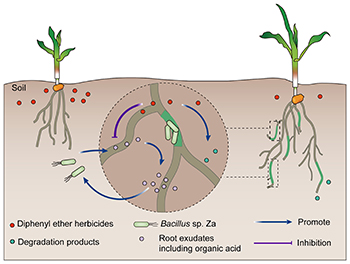
Maize Root Exudates Promote Bacillus sp. Za Detoxification of Diphenyl Ether Herbicides by Enhancing Colonization and Biofilm Formation

Diphenyl ether herbicides are extensively utilized in agricultural systems, but their residues threaten the health of sensitive rotation crops. Functional microbial strains can degrade diphenyl ether herbicides in the rhizosphere of crops, facilitating the restoration of a healthy agricultural environment. However, the interplay between microorganisms and plants in degradation of diphenyl ether herbicides remains unclear. To explore this, Yanning Tian et al. employed the herbicide-degrading strain Bacillus sp. Za and a sensitive crop (maize)—finding that root exudates enhance Bacillus sp. Za’s degradation of diphenyl ether herbicides through a positive feedback loop with maize. The bacterium increases root exudate secretion, leading to improved rhizosphere colonization, biofilm formation, and herbicide degradation.

Read the commentary by Assistant Feature Editor Siva Sankari.

Guido Sessa (1964–2023)—A Pillar of Molecular Plant-Microbe Biology Research in Israel and Beyond

ISMPMI 285 2 1955560 removebg preview

Issue 3

2023

interactions

Did You Know

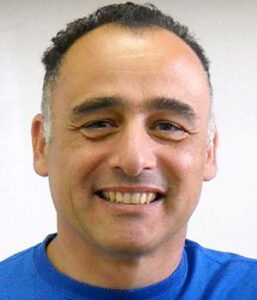
Professor Guido Sessa, plant-microbe biologist, educator, mentor, and former head of the School of Plant Sciences and Food Security at Tel Aviv University, died unexpectedly on July 4,
02InMemo Sessa

2023,  in Tel Aviv. He was 59. Guido was known for his research on the molecular basis of bacterial pathogenesis and plant immunity using multiple experimental systems, including the interaction of Xanthomonas euvesicatoria with tomato and Arabidopsis. He was a respected colleague and a cherished friend. 

Born April 26, 1964, in Rome, Guido immigrated to Israel in 1983. After military service, he earned a bachelor’s degree at the Faculty of Agriculture, Food and Environment in Rehovot. His interest in plant-microbe biology began as a graduate student with Prof. Robert Fluhr at the Weizmann Institute of Science, where he investigated transcriptional control of pathogenesis-related genes and earned master’s and Ph.D. degrees in plant biology. In 1997, Guido was awarded a fellowship from the Israel-US Binational Agricultural Research and Development Fund (BARD) and moved to the United States for postdoctoral research with Greg Martin, first at Purdue University and then at Cornell University. 

In 2000, Guido returned to Israel and established a research laboratory at Tel Aviv University in the Department of Plant Sciences, which is now the School of Plant Sciences and Food Security. He progressed through the academic ranks to full professor and was a senior and esteemed member of the faculty’s academic staff and research team. Between 2018 and 2022, while serving as the head of the School of Plant Sciences and Food Security, Guido led the restoration and reopening to visitors of the Yehuda Naftali Botanical Garden. In 2023, he was appointed head of the Institute of Cereal Crops Research at Tel Aviv University and led projects to improve wheat, in particular wheat resistance to rust disease. 

Guido guided a dynamic research program focused on understanding molecular mechanisms in bacterial pathogenesis of plants and in plant stress responses and immunity. Early in his career he established the tomato–X. euvesicatoria interaction as a model system, and this became the foundation of many of his important discoveries over the years. His lab was an early adopter of genome-wide gene expression profiling methods, and this work revealed the importance of certain transcription factors and MAP kinases in the tomato immune response. From his postdoctoral work onward Guido’s skill in applying protein biochemistry techniques to understand signaling events drove numerous pioneering advances. One example is his finding that a MAP kinase in tomato, MPK3, autophosphorylates on a specific tyrosine residue that is critical for its role in both the wound response and defense. His lab also made important discoveries in how type III effectors from Xanthomonas suppress host defenses. One study, a collaboration with Mary Beth Mudgett, showed how a widely conserved effector XopQ interacts with a host 14-3-3 protein to compromise MAPK signaling and immunity to X. euvesicatoria. In recent years, the Sessa lab published a series of studies on the roles of type III and VI secretion in the pathogenicity of a Pantoea agglomerans pathovar that causes a serious disease of beets. He was also the editor of a comprehensive overview of the field in 2012, titled Molecular Plant ImmunityThese and many other contributions over the years from Guido and his lab enriched our molecular understanding of bacterial interactions with plants and plant defense and laid the foundation for more effective disease control. 

A hallmark of Guido’s research was the many collaborations he developed with scientists in Israel and around the world. A particularly fruitful collaboration was with Greg Martin, which began during Guido’s postdoctoral period and continued for 25 years. Their joint work spanned a range of fundamental topics, including early work on gene expression profiling of the tomato defense response to bacterial pathogens, the role of GRAS family transcription factors in immunity, the discovery and characterization of MAPKKKe and MAPKKKa, which play key roles in activating immunity-associated MAPK cascades, and, most recently, a broad investigation of the negative regulation of immune signaling by PP2C protein phosphatases in tomato. Their collaboration was supported by seven successive BARD research grants, one of which is still active, and resulted in more than 30 publications, dozens of presentations at scientific meetings and the training of many students and postdoctoral associates. Guido was also a PI on four other BARD-funded research projects, and co-organized with Mary Beth Mudgett and Avi Avni a BARD- and NSF-supported workshop at Tel Aviv University on Microbial Virulence Determinants and Plant Innate Immunitywhich aimed to assemble junior and senior colleagues in the field to share their insights and forge new collaborations. 

Guido was a strong supporter of basic and applied plant sciences in Israel, most notably through his service to the BARD Program. He served for seven years on grant evaluation committees, where he played an important role in setting and maintaining BARD’s high scientific standards. In addition, Guido frequently reviewed proposals on an ad hoc basis, even on short notice, provided advice on technical issues, and helped identify scientists to serve on BARD committees. He also provided scientists who wished to pursue BARD funding assistance in finding an Israeli or U.S. partner. 

As a long-time member of the Association of Italian Scholars and Scientists, Guido avidly and effectively promoted research relationships between researchers from Italy and Israel in the field of plant-microbe biology, with support from the Italian Embassy in Tel Aviv. Most recently, he organized a joint conference in Israel with the participation of researchers from both countries. Unfortunately, he did not get to participate in the conference, as it was held the day before his death. 

Guido was an exemplary mentor to young researchers throughout Israel and to his students and postdocs in particular. He excelled at identifying important and appropriate research projects for his lab members and allowed them great independence in pursuing their research, while at the same time always being available with advice and challenging questions. Many of his students went on to careers in academia or the biotech industry in Israel and around the world. Guido’s genuine interest in others and his collegiality sparked many collaborations and connections in Israel, and these often led to invitations to serve on graduate student committees at universities within Israel in addition to his own. Guido, thus, had a major impact on both established and upcoming scientists in the plant-microbe biology field. 

In addition to being an exceptional scientist and insightful, supportive colleague, Guido was a great friend to many. He had a warm smile, a subtle sense of humor, and a quiet laugh. He was kind and generous. He loved traveling, playing soccer, and skiing in the Italian Alps, and he had a lifelong interest in opera. Ying-Tsu Loh, a graduate student who overlapped with Guido at Purdue University writes, “I will always remember Guido for our ‘opera Saturdays’ at the lab, really loud opera, that you could hear walking down the hall. You knew then that Guido was in and that Saturday at the lab would be fun.” Greg Martin remembers many good times with Guido, including during visits to Israel, where “we once spontaneously met his parents who happened to be out for a walk as we drove into Jerusalem, visited Masada, which was close to where Guido had done his military service, floated in the Dead Sea, and, memorably, in March of this year enjoyed a long lunch at Guido’s favorite Italian restaurant in northern Tel Aviv. Those are great memories to have of a great friend.” Adam Bogdanove, who was a postdoc with Martin at the same time as Guido, says of his lab mate and longtime friend, “I learned a lot from Guido. To this day, my lab uses Guido’s western blot protocol. And, I’ll always remember coffee breaks with Guido outside the Martin lab. We’d talk about science, and other topics, and laugh often. Those kinds of conversations continued throughout our careers and are what I will miss most.” Mary Beth Mudgett shares, “Some of my best days as a scientist were brainstorming with Guido and drafting project ideas on napkins in cafes around the world. He was a critical thinker, thought provoking, down-to-earth and always warmhearted. I am missing Guido deeply.” 

Guido is survived by his mother, a brother, and by the light of his life, his daughter Shira, whom many of his colleagues were privileged to know as he often invited her to join him at scientific conferences and visits with collaborators. He will be greatly missed. 

Gregory B. Martin,1,2 Adam J. Bogdanove,1 and Mary Beth Mudgett3 

1 Plant Pathology and Plant-Microbe Biology, School of Integrative Plant Science, Cornell University, Ithaca, NY, USA
2 Boyce Thompson Institute for Plant Research, Ithaca, NY, USA
3 Department of Biology, Stanford University, Stanford, CA, USA ​​

Acknowledgments

We thank Guy Sobol, Dor Salomon, Saul Burdman, and Haim Katz for helpful information. ​

MPMI Best Student Paper Awards

ISMPMI 285 2 1955560 removebg preview

Issue 1

2020

interactions

Did You Know

05MPMI BestPaper

Best Student Paper​

Phytophthora i​​nfestans RxLR Effector PITG06478 Hijacks 14-3-3 to Suppress PMA Activity Leading to Necrotrophic Cell Death

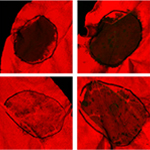
Pathogens often induce cell death to successfully proliferate in the host plant. Plasma membrane H+-ATPases (PMAs) are targeted by eithe​r pathogens or plant immune receptors in immune response regulation. Although PMAs play pivotal roles in host cell death, the molecular mechanism of effector-mediated regulation of PMA activity has not been described. In this year’s MPMI Best Student Paper Award-winning article, Ye-Eun Seo et al. report that the Phytophthora infestans RxLR effector PITG06478 can induce cell death in Nicotiana benthamiana, but the induced cell death is inhibited by fusicoccin (FC), an irreversible PMA activator.

05MPMI BestPaper HM1

Honorable Mentions

Grapevine Fanleaf Virus RNA1-Encoded Proteins 1A and 1BHel Suppress RNA Silencing

Grapevine fanleaf virus (GFLV) (genus Nepovirus, family Secoviridae) causes fanleaf degeneration, one of the most damaging viral diseases of grapevines. Despite the substantial advances made in deciphering GFLV-host interactions, how this virus overcomes the host antiviral pathways of RNA silencing is still poorly understood. In this study, Jiyeong Choi et al. identified viral suppressors of RNA silencing (VSRs) encoded by GFLV, using fluorescence assays, and tested their capacity to modify host gene expression in transgenic Nicotiana benthamiana expressing the enhanced green fluorescent protein gene (EGFP).


05MPMI BestPaper HM2

A Coculture of Enterobacter and Comamonas Species Reduces Cadmium Accumulation in Rice

The accumulation of cadmium (Cd) in plants is strongly impacted by soil microbes, but its mechanism remains poorly understood. In this study, Xing Wang et al. report the mechanism of reduced Cd accumulation in rice by coculture of Enterobacter and Comamonas species. In pot experiments, inoculation with the coculture decreased Cd content in rice grain, immobilized Cd in soils, and enhanced soil nutrients and enzyme activities. The coculture also colonized the rice rhizosphere, activated defense responses, and regulated Cd uptake and efflux in rice, suggesting it protects rice against Cd stress.

InterView with Dr. Simona Radutoiu

ISMPMI 285 2 1955560 removebg preview

Issue 3

2023

interactions

Did You Know

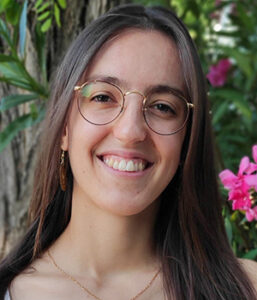
Alicia Camuel ​

Alicia Camuel is a Ph.D. student at the Plant Health Institute of Montpellier working with Eric Giraud on the Symbiotic Mechanisms in Tropical Legumes team. Her current research is focused

03InterView Camuel1

on identifying an alternative symbiotic pathway independent of Nod factors by studying the symbiosis between Aeschynomene spp. and Bradyrhizobium spp. Alicia was the recipient of a Ko Shimamoto Travel Award to attend the 2023 IS-MPMI Congress.

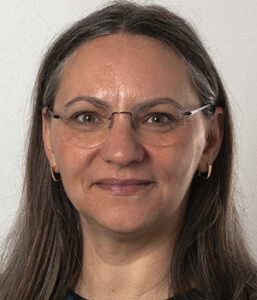
Simona Radutoiu is currently a professor and group leader at the University of Aarhus in Denmark, and her main research area is the identification of the genes involved in nitrogen-fixing symbiosis, with the aim of designing biotechnological tools that will enable us to transfer this ability to nonlegumes.


Conversation with Dr. Radutoiu

Between two sessions at the 2023 IS-MPMI Congress in Providence, RI, and over a lunch break, I had the chance to chat with Simona Radutoiu. Of course, we talked about science—it could not

03InterView Radutoiu

be any other way in such a context. But, we also talked about many other aspects of the life of a woman scientist, career choices, and building a personal life in line with her plans and wishes. In the following article, I recount this informal interview with Simona, which I will remember for a long time. Our conversation began with scientific topics. As I am also working on nitrogen-fixing symbiosis, I wanted Simona’s opinion on questions that were more or less open and that I thought would be useful to discuss later on in my thesis. However, unlike most legumes capable of associating with rhizobia, I am studying an alternative symbiotic model that does not depend on Nod factors but on the bacteria’s type 3 secretion system (T3SS). In a recent paper, Simona and colleagues described the importance of LysM domain receptors that have adapted for nodule organogenesis. I, therefore, asked her about the fact that in my subject of study, the bacteria bypass this signaling mediated by LysM receptors and whether, in her opinion, other key symbiotic players could also be avoided. Our opinion on this question was similar, since it could very well be that other players in the symbiotic pathway are not required. However, it should be noted that “infection by infection threads remains the most efficient…and that CCaMK and CYCLOPS are central players for nodulation.”

Furthermore, the symbiotic model that I use to observe this T3SS-dependent process (Aeschynomene spp./Bradyrhizobium spp.) can only be observed under in vitro conditions. Often genetically associated with the Nod genes, T3SS in nature does not play a role in nodule organogenesis on its own. Nevertheless, a large majority of Bradyrhizobium spp. able to nodulate soybean possess both nod and T3SS genes (1), suggesting that T3SS could play a decisive role in symbiotic efficiency. Indeed, during my Ph.D. study I was able to show that effectors could directly trigger nodulation (2). I asked Simona if there is any real interest in studying this alternative process. According to her, there is: “These two processes [Nod-dependent and T3SS-dependent] should work together” in order to optimize symbiotic efficiency. Indeed, bacteria are known to use T3SS to modulate host specificity, as observed for several legumes (3,4). In this symbiotic model, however, T3SS is not just a host specificity factor, and thus, its role would be broader and complementary with Nod factors in nature. A response like this reinforced my choice of subject for my thesis, which is very fundamental but could ultimately have a broader scope.

I immediately wanted to know what Simona thought about the “dream” of one day transferring the symbiotic capacity of legumes to cereals, which are plants of major agronomic interest. Indeed, as a member of the ENSA (Engineering Nitrogen Symbiosis for Africa) scientific consortium, she is at the heart of this question, which many scientists have been asking themselves for several years. For sure, it represents “a real challenge…coordination between organogenesis and infection is essential but difficult to achieve…and many players have yet to be discovered.” Despite more than 20 years of research, this transfer to cereals remains a real challenge, requiring a great deal of resources and rigor. ​

Our conversation then moved on to subjects that some might consider ‘lighter,’ but which taught me so much in such a short space of time and which are just as important in a woman’s

03InterView Camuel2

scientific career. Having completed her doctorate in Romania, Simona found her calling, so to speak, after her Ph.D. stage at the University of Tennessee in the United States. On her return, she became a mother, but this in no way hindered her career. On the contrary, she says she is “passionate about science,” but still attaches great importance to her family: “I talk a lot with my daughter.” I could see in her eyes how obvious and authentic this was for her, although “managing these two sides of life is a constant learning process.” Being a woman in science has not always been easy, and it still is not, depending on the laboratories and countries in which we work. In France, for example, only around 30% of scientists are women. So, I told Simona about my doubts and misgivings about this aspect, as well as about becoming a mother one day. Although she was happy and fulfilled to be a mother, she advised me “not to let motherhood get in the way, to continue your career and always believe in yourself so that you can keep moving forward.” In a laboratory or elsewhere, it is important to “share your doubts and experiences with other women, with people you trust.” I felt at that moment that this is also what gives us the strength that we do not think we have, but which is always deep within us. Her words touched me deeply, and I invite everyone else to follow her precious advice.

I then asked her about choosing a postdoc position; what would be her career advice in light of her own experience? Should I change my research subject or move to another country? For Simona, it is essential to change subjects and above all to learn new techniques. She invited me to leave my comfort zone and start researching at least one year in advance. Even if changing subjects and leaving your country may seem like a challenge that is not so easy to overcome, you have to “believe in yourself and have confidence in yourself.”

Finally, now living in Denmark, Simona is far from her family and her country of origin. So, I wanted to find out if it had been difficult and how she managed this aspect of her life. For her, it was important for her career to leave Romania, and she was able to find a place where she and her family could blossom and make new friends with the people living there. In the end, she told me that although part of her family is still far away, “having moments to share with them becomes even more precious given the distance.”

Our whole exchange was a real pleasure, both on the scientific side and on the personal side. I hope that my feedback on the time I spent with Simona will also be of interest to young women like me, who are starting out on their scientific careers while trying to make the most of their life choices.

References

1. Teulet, A., Gully, D., Rouy, Z., et al. 2020. Phylogenetic distribution and evolutionary dynamics of nod and T3SS genes in the genus Bradyrhizobium. Microb. Genom. 6(9):mgen000407. DOI: 10.1099/mgen.0.000407

2. Camuel, A., Teulet, A., Carcagno, M., et al. 2023. Widespread Bradyrhizobium distribution of diverse type III effectors that trigger legume nodulation in the absence of Nod factor. ISME J. DOI: 10.1038/s41396-023-01458-1

3. Yang, S., Tang, F., Gao, M., Krishnan, H. B., and Zhu, H. 2010. R gene-controlled host specificity in the legume-rhizobia symbiosis. Proc. Natl. Acad. Sci. U.S.A. 107:18735-18740. DOI: 10.1073/pnas.1011957107

4. Miwa, H., and Okazaki, S. 2017. How effectors promote beneficial interactions. Curr. Opin. Plant Biol. 38:148-154. DOI: 10.1016/j.pbi.2017.05.011

Plan to Attend the 2025 IS-MPMI Congress!

ISMPMI 285 2 1955560 removebg preview

Issue 1

2020

interactions

Did You Know

2025Congress logo

Plan to attend the 2025 IS-MPMI Congress Sunday through Thursday, July 13–17, in Cologne, Germany. More information is available online. IS-MPMI members will receive discounted registration rates for the conference. Scientists from some countries are eligible for discounted membership in IS-MPMI.

2024​ – ISSUE 3

ISMPMI 285 2 1955560 removebg preview

Issue 1

2020

interactions
01 photo 25 3034167
InterConnections: Letter from IS-MPMI President Adam Bogdanove
IS-MPMI President Adam Bogdanove discusses the upcoming 20th IS-MPMI Congress; initiatives developed during the pandemic, including professional development for early-career members and community building promoting geographic and social diversity; and new initiatives in open science and public outreach. New Microgreens podcast episodes, What's New in MPMI Virtual Seminars, an Online Early Career Showcase, and new engaging content in Interactions are in the works as well.

Did You Know

Research Spotlight
MPMI Assistant Feature Editor Meenu Singla-Rastogi interviews Suchismita “Suchi” Ghosh, Ph.D. student in Roger Innes’ lab at Indiana University Bloomington, about her new paper published in MPMI, “Infection of Alfalfa Cotyledons by an Incompatible but Not a Compatible Species of Colletotrichum Induces Formation of Paramural Bodies and Secretion of EVs.”
 
InterCareers

Abigail Rogers Talks with Matt Helm About His Career

In this new section, we explore what it’s like to work in different areas of plant-microbe interactions. Here, Matt Helm is interviewed by Abigail Rogers, a Ph.D. student at Purdue University, about his experiences as a USDA scientist researching plant-microbe interactions.
 
InterFaces
Welcome to our new miniseries on science outreach and communication! Over the next three issues, Dr. Priyamedha Sengupta, postdoctoral researcher, will tell us about her journey into plant-microbe outreach and communication. Join us in exploring why communicating our science to a wider audience is so important.
 
In 2020, MPMI spearheaded an effort to add assistant feature editors (AFEs) to the MPMI Editorial Board. AFEs have two-year appointments to explore new ways to present and amplify journal articles. Four new AFEs have joined the MPMI Editorial Board. Get to know Jawahar SinghVed PrakashMeena Singla-Rastogi, and Ruby Tiwari.
 
Opportunities
IS-MPMI President Adam Bogdanove discusses the benefits of publishing your research in MPMI. Learn how publication in MPMI strengthens our society and community and enables your research to reach a wider, more diverse audience through open access publishing, webinars, and author interviews in Interactions.
 

What’s New in MPMI Is Back!

Join host Jeanne Harris for the free upcoming What’s News in MPMI Virtual Seminar on October 24, 2024, at 10:00 a.m. CT, as she discusses the H. H. Flor Distinguished Review “Unlocking Nature’s Defense: Plant Pattern Recognition Receptors as Guardians Against Pathogenic Threats” with author Yingpeng Xie.

Focus Issues Alert! Consider Submitting Your Research for Special Issues of PhytoFrontiers and Phytopathology

PhytoFrontiers and Phytopathology are accepting submissions for upcoming Focus Issues. Learn more about these special issues and submit your research today.
 
The interplay between microorganisms and plants in degradation of diphenyl ether herbicides is unclear. In their paper published in MPMIYanning Tian et al. found that the bacterium Bacillus sp. Za increases root exudate secretion by maize, leading to improved rhizosphere colonization, biofilm formation, and herbicide degradation.
 
Awards

MPMI Best Student Paper Awards

Ye-Eun Seo et al. received the MPMI Best Student Paper Award for their paper on “Phytophthora infestans RxLR Effector PITG06478 Hijacks 14-3-3 to Suppress PMA Activity Leading to Necrotrophic Cell Death.” Honorable Mentions were given to Jiyeong Choi et al. and Xing Wang et al. Learn more about these exciting papers.


Events

Plan to Attend the 2025 IS-MPMI Congress!

Plan to attend the 2025 IS-MPMI Congress Sunday through Thursday, July 13–17, in Cologne, Germany. More information is available online.
 

Looking for a Job?

Check out the Job Center on the IS-MPMI website.

2024​ – ISSUE 3

ISMPMI 285 2 1955560 removebg preview

Issue 3

2024

interactions
01 photo 25 3034167
InterConnections: Letter from IS-MPMI President Adam Bogdanove
IS-MPMI President Adam Bogdanove discusses the upcoming 20th IS-MPMI Congress; initiatives developed during the pandemic, including professional development for early-career members and community building promoting geographic and social diversity; and new initiatives in open science and public outreach. New Microgreens podcast episodes, What's New in MPMI Virtual Seminars, an Online Early Career Showcase, and new engaging content in Interactions are in the works as well.

Did You Know

Research Spotlight
MPMI Assistant Feature Editor Meenu Singla-Rastogi interviews Suchismita “Suchi” Ghosh, Ph.D. student in Roger Innes’ lab at Indiana University Bloomington, about her new paper published in MPMI, “Infection of Alfalfa Cotyledons by an Incompatible but Not a Compatible Species of Colletotrichum Induces Formation of Paramural Bodies and Secretion of EVs.”
 
InterCareers

Abigail Rogers Talks with Matt Helm About His Career

In this new section, we explore what it’s like to work in different areas of plant-microbe interactions. Here, Matt Helm is interviewed by Abigail Rogers, a Ph.D. student at Purdue University, about his experiences as a USDA scientist researching plant-microbe interactions.
 
InterFaces
Welcome to our new miniseries on science outreach and communication! Over the next three issues, Dr. Priyamedha Sengupta, postdoctoral researcher, will tell us about her journey into plant-microbe outreach and communication. Join us in exploring why communicating our science to a wider audience is so important.
 
In 2020, MPMI spearheaded an effort to add assistant feature editors (AFEs) to the MPMI Editorial Board. AFEs have two-year appointments to explore new ways to present and amplify journal articles. Four new AFEs have joined the MPMI Editorial Board. Get to know Jawahar SinghVed PrakashMeena Singla-Rastogi, and Ruby Tiwari.
 
Opportunities
IS-MPMI President Adam Bogdanove discusses the benefits of publishing your research in MPMI. Learn how publication in MPMI strengthens our society and community and enables your research to reach a wider, more diverse audience through open access publishing, webinars, and author interviews in Interactions.
 

What’s New in MPMI Is Back!

Join host Jeanne Harris for the free upcoming What’s News in MPMI Virtual Seminar on October 24, 2024, at 10:00 a.m. CT, as she discusses the H. H. Flor Distinguished Review “Unlocking Nature’s Defense: Plant Pattern Recognition Receptors as Guardians Against Pathogenic Threats” with author Yingpeng Xie.

Focus Issues Alert! Consider Submitting Your Research for Special Issues of PhytoFrontiers and Phytopathology

PhytoFrontiers and Phytopathology are accepting submissions for upcoming Focus Issues. Learn more about these special issues and submit your research today.
 
The interplay between microorganisms and plants in degradation of diphenyl ether herbicides is unclear. In their paper published in MPMIYanning Tian et al. found that the bacterium Bacillus sp. Za increases root exudate secretion by maize, leading to improved rhizosphere colonization, biofilm formation, and herbicide degradation.
 
Awards

MPMI Best Student Paper Awards

Ye-Eun Seo et al. received the MPMI Best Student Paper Award for their paper on “Phytophthora infestans RxLR Effector PITG06478 Hijacks 14-3-3 to Suppress PMA Activity Leading to Necrotrophic Cell Death.” Honorable Mentions were given to Jiyeong Choi et al. and Xing Wang et al. Learn more about these exciting papers.


Events

Plan to Attend the 2025 IS-MPMI Congress!

Plan to attend the 2025 IS-MPMI Congress Sunday through Thursday, July 13–17, in Cologne, Germany. More information is available online.
 

Looking for a Job?

Check out the Job Center on the IS-MPMI website.

2024​ – ISSUE 3

ISMPMI 285 2 1955560 removebg preview

Issue 1

2020

interactions
01 photo 25 3034167
InterConnections: Letter from IS-MPMI President Adam Bogdanove
IS-MPMI President Adam Bogdanove discusses the upcoming 20th IS-MPMI Congress; initiatives developed during the pandemic, including professional development for early-career members and community building promoting geographic and social diversity; and new initiatives in open science and public outreach. New Microgreens podcast episodes, What's New in MPMI Virtual Seminars, an Online Early Career Showcase, and new engaging content in Interactions are in the works as well.

Did You Know

Research Spotlight
MPMI Assistant Feature Editor Meenu Singla-Rastogi interviews Suchismita “Suchi” Ghosh, Ph.D. student in Roger Innes’ lab at Indiana University Bloomington, about her new paper published in MPMI, “Infection of Alfalfa Cotyledons by an Incompatible but Not a Compatible Species of Colletotrichum Induces Formation of Paramural Bodies and Secretion of EVs.”
 
InterCareers
Abigail Rogers Talks with Matt Helm About His Career

In this new section, we explore what it’s like to work in different areas of plant-microbe interactions. Here, Matt Helm is interviewed by Abigail Rogers, a Ph.D. student at Purdue University, about his experiences as a USDA scientist researching plant-microbe interactions.
 
InterFaces
Welcome to our new miniseries on science outreach and communication! Over the next three issues, Dr. Priyamedha Sengupta, postdoctoral researcher, will tell us about her journey into plant-microbe outreach and communication. Join us in exploring why communicating our science to a wider audience is so important.
 
In 2020, MPMI spearheaded an effort to add assistant feature editors (AFEs) to the MPMI Editorial Board. AFEs have two-year appointments to explore new ways to present and amplify journal articles. Four new AFEs have joined the MPMI Editorial Board. Get to know Jawahar SinghVed PrakashMeena Singla-Rastogi, and Ruby Tiwari.
 
Opportunities
IS-MPMI President Adam Bogdanove discusses the benefits of publishing your research in MPMI. Learn how publication in MPMI strengthens our society and community and enables your research to reach a wider, more diverse audience through open access publishing, webinars, and author interviews in Interactions.
 
What’s New in MPMI Is Back!

Join host Jeanne Harris for the free upcoming What’s News in MPMI Virtual Seminar on October 24, 2024, at 10:00 a.m. CT, as she discusses the H. H. Flor Distinguished Review “Unlocking Nature’s Defense: Plant Pattern Recognition Receptors as Guardians Against Pathogenic Threats” with author Yingpeng Xie.
Focus Issues Alert! Consider Submitting Your Research for Special Issues of PhytoFrontiers and Phytopathology

PhytoFrontiers and Phytopathology are accepting submissions for upcoming Focus Issues. Learn more about these special issues and submit your research today.
 
The interplay between microorganisms and plants in degradation of diphenyl ether herbicides is unclear. In their paper published in MPMIYanning Tian et al. found that the bacterium Bacillus sp. Za increases root exudate secretion by maize, leading to improved rhizosphere colonization, biofilm formation, and herbicide degradation.
 
Awards
MPMI Best Student Paper Awards

Ye-Eun Seo et al. received the MPMI Best Student Paper Award for their paper on “Phytophthora infestans RxLR Effector PITG06478 Hijacks 14-3-3 to Suppress PMA Activity Leading to Necrotrophic Cell Death.” Honorable Mentions were given to Jiyeong Choi et al. and Xing Wang et al. Learn more about these exciting papers.
 

Events
Plan to Attend the 2025 IS-MPMI Congress!

Plan to attend the 2025 IS-MPMI Congress Sunday through Thursday, July 13–17, in Cologne, Germany. More information is available online.
 

Looking for a Job?

Check out the Job Center on the IS-MPMI website.
Scroll to Top