
2025: Distinguished Professor Roger Innes
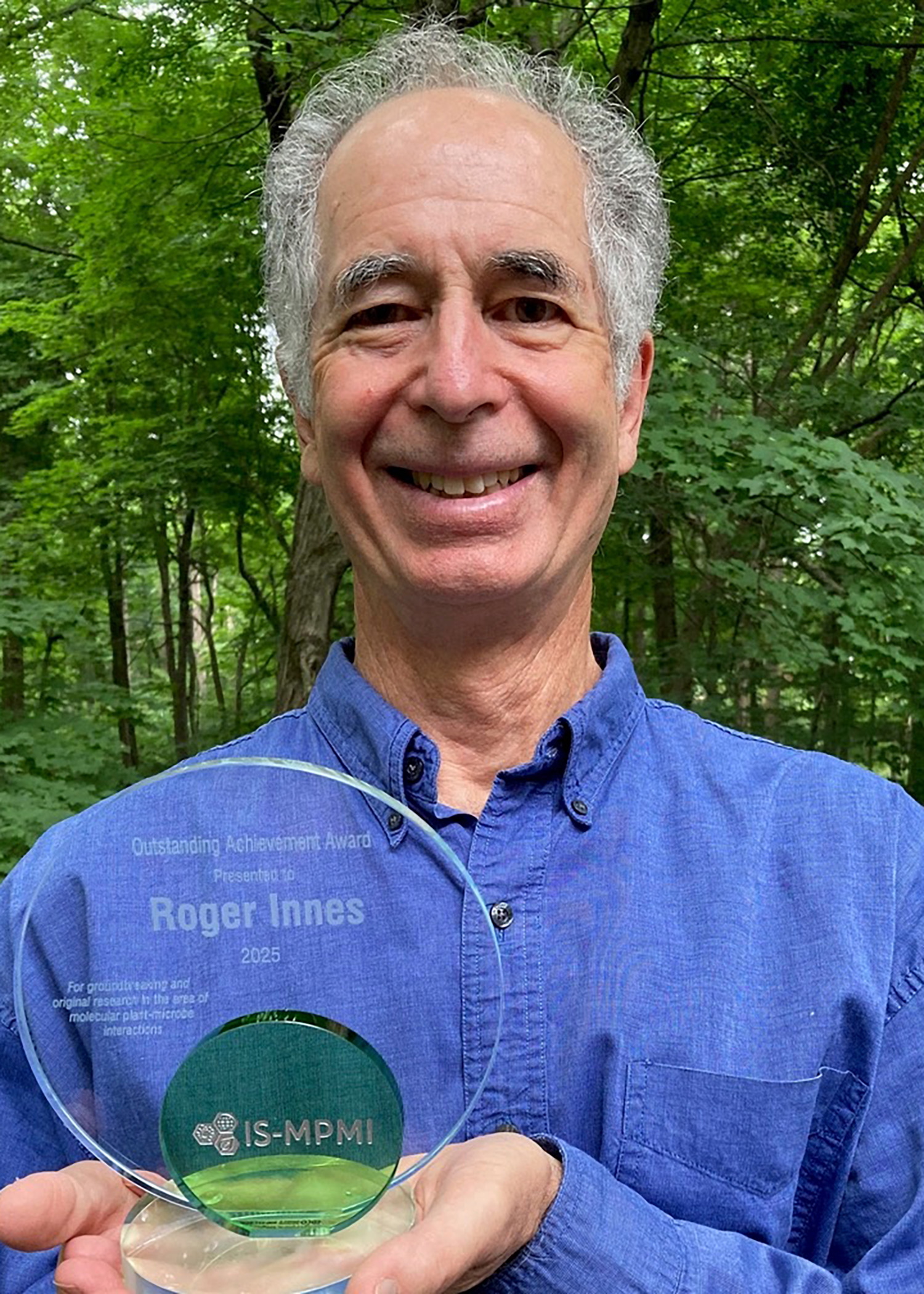 Roger Innes holds the Class of 1954 Professorship in Biology at Indiana University-Bloomington. He received his Ph.D. in Molecular, Cellular and Developmental Biology at the University of Colorado-Boulder, and completed Post-doctoral research at the University of California-Berkeley where he helped develop Arabidopsis as a model system for studying molecular plant-microbe interactions. He is an elected fellow of the American Association for the Advancement of Science and the American Academy of Microbiology, and is the immediate Past President the International Society of Molecular Plant-Microbe Interactions. He also served as President of the North American Arabidopsis Steering Committee (NAASC). His current research focuses on molecular mechanisms underlying the plant immune system and development of novel strategies for engineering disease resistant crops. Over the course of his career, Dr. Innes has contributed to several seminal discoveries in plant-microbe interactions. These include the discovery that legumes secrete isoflavanoids from their roots to induce expression of nodulation genes in Rhizobium, the identification of the first avirulence proteins in Pseudomonas syringae that are recognized by Arabidopsis (AvrRpt2, AvrB and AvrPphB), the identification and cloning of the Arabidopsis NLR genes RPM1 and RPS5, which were among the first NLR genes cloned from plants, and development of the ‘guard model’ for NLR protein function, whereby NLR proteins sense modifications of host proteins targeted by pathogen effectors. Most recently, his group has shown that plants secreate extracellular vesicles and RNA in response to pathogen infection, with the surprising discovery that plant leaves are coated by RNA, which is likely to impact the microbes that colonize leaf surfaces.
2023: Jonathan D.G. Jones

Jonathan D.G. Jones (JJ) studies how plants resist disease, and how pathogens circumvent host immune mechanisms. After a PhD in cereal genetics at the Plant Breeding Institute, Cambridge, UK, JJ postdoc’d with 2014 Awardee Fred Ausubel at Harvard on symbiotic nitrogen fixation, where he discovered his love for MPMI and attended the first MPMI meeting in Bielefeld in 1982. JJ then worked on Agrobacterium engineering at US agbiotech company, AGS, where he refined methods to express transgenes at high levels and to study and exploit plant transposons. In 1988, JJ started at the Sainsbury Laboratory (TSL), Norwich UK, serving as Head of TSL 1994-7 and 2003-2009. He was elected EMBO member (1998), Fellow of Royal Society (2003) and International Member of the US NAS (2015). In 2012 he won the U Minnesota EC Stakman award, in 2015 gave the Cornell Whetzel-Westcott-Dimock Seminar and in 2021 was awarded Honorary Member of British Society for Plant Pathology. He (with 2009 awardee Jeff Dangl) promoted the guard hypothesis for indirect recognition of pathogen effectors by host immune receptors, and also the “zigzagzig” conceptual framework that first integrated the distinct defenses initiated by immune receptors that detect extracellular or intracellular pathogen-derived molecules. He was among the first to show that integrated decoy domains in paired NLRs mimic authentic pathogen effector targets. He pioneered genomics methods, notably “RenSeq”, to accelerate Resistance gene cloning and analysis of plant immune receptor diversity and evolution. He is a strong advocate for using immune receptor genes from wild relatives to replace crop protection agrochemicals with genetics for disease control.
2019: Brian Staskawicz
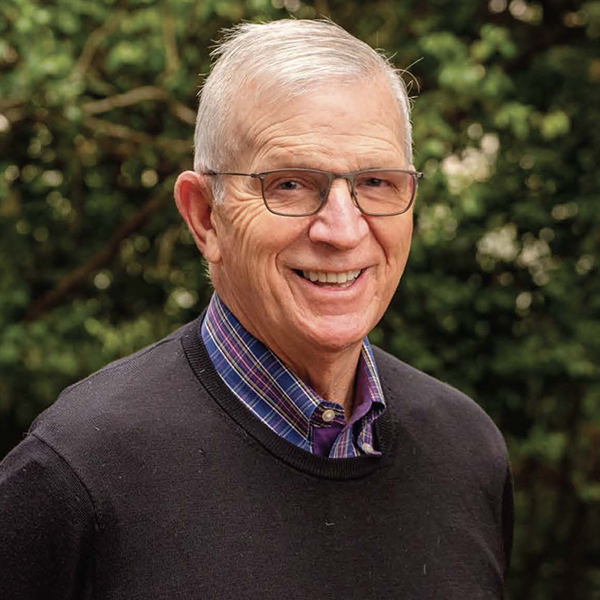 Brian Staskawicz received his Ph.D. in Plant Pathology from the University of California, Berkeley in 1980. He is currently a Professor in the Plant and Microbial Biology Department and the Scientific Director of Agricultural Genomics at the Innovative Genomics Institute (IGI). Staskawicz has made many seminal contributions to the understanding of infection strategies of plant pathogens and defense mechanisms of plants. These include the cloning of the first pathogen effector gene and the cloning and characterization of one of the first plant NLR immune receptors.
Staskawicz and his colleagues also played a major role in establishing Arabidopsis as a model system to study the molecular basis of microbial recognition by plants and genetically dissect defense signaling pathways. More recently, he is leading an effort at the IGI in the genome editing of agriculture crops for biotic and abiotic stress resistance and improved plant performance.
He is a member of the US National Academy of Sciences and has been elected a Fellow of the American Phytopathological Society and a Fellow of the American Academy of Microbiology.
2016: Sharon Long
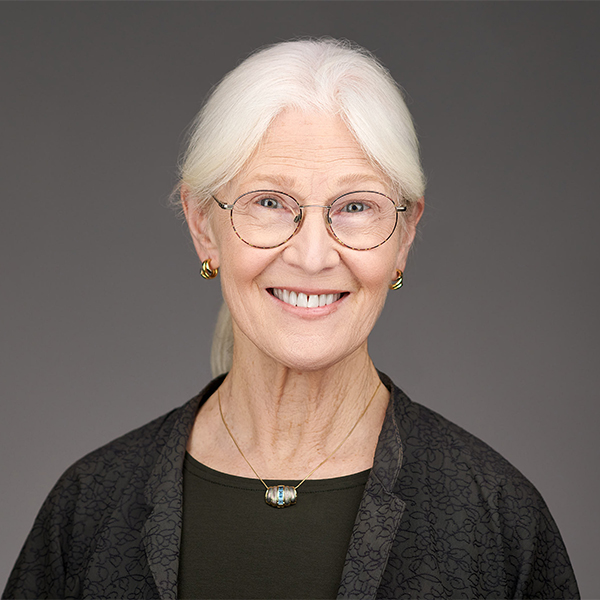
Sharon Long is Professor of Biology at Stanford University. She received her Bachelor’s degree from the California Institute of Technology, and carried out her Ph.D. studies at Yale University, studying plant development with Ian Sussex. As a postdoctoral fellow she trained with Fred Ausubel at Harvard, where she began her work on Rhizobium-legume symbiosis. She joined the Stanford faculty in 1982. She was appointed an Investigator of the Howard Hughes Medical Institute from 1994 to 2001, stepping out of that position to serve Stanford as Dean of the School of Humanities and Sciences from 2001-2007. She returned to regular faculty research and teaching in autumn 2007. Her research group employs a spectrum of approaches, including microbial and plant molecular biology, biochemistry and genetics, to study the symbiosis of Rhizobium bacteria and plant hosts. They are especially interested in the signals and signal transduction pathways used by nitrogen-fixing bacteria and plants.
2014: Fred Ausubel
Fred Ausubel received his B.S. in Chemistry from the University of Illinois in 1966 and his Ph.D. in Biology from the Massachusetts Institute of Technology in 1972. Formerly, he was Assistant and Associate Professor in the Department of Cellular and Developmental Biology at Harvard University. Fred is currently Professor of Genetics at Harvard Medical School and is the Karl Winnacker Distinguished Investigator in the Department of Molecular Biology at Massachusetts General Hospital.
Fred’s scientific work concerns host-microbe interactions. In the 1970s and 1980s, his laboratory worked on the molecular basis of symbiotic nitrogen fixation, the process by which legumes, in concert with a bacterial symbiont, convert atmospheric nitrogen into ammonia. Currently, the laboratory is investigating microbial pathogenesis and host defense in the plant Arabidopsis thaliana and the nematode Caenorhabditis elegans. The laboratory has also adopted a genomics approach to study virulence in the opportunistic bacterial pathogen Pseudomonas aeruginosa strain PA14, which remarkably is a “multi-host” pathogen of both plants and animals. The laboratory is particularly interested in those aspects of pathogenesis and the host innate immune response that have been conserved in evolution.
Fred was elected to the National Academy of Sciences in 1994, the American Academy of Microbiology in 2002, and the American Academy of Arts and Sciences in 2003. In addition to serving on a variety of editorial boards, Fred is founding editor of the widely-read Current Protocols in Molecular Biology. Fred is the 2014 recipient of the Thomas Hunt Morgan medal for lifetime achievement from the Genetics Society of America.
2012: Adam and Eva Kondorosi
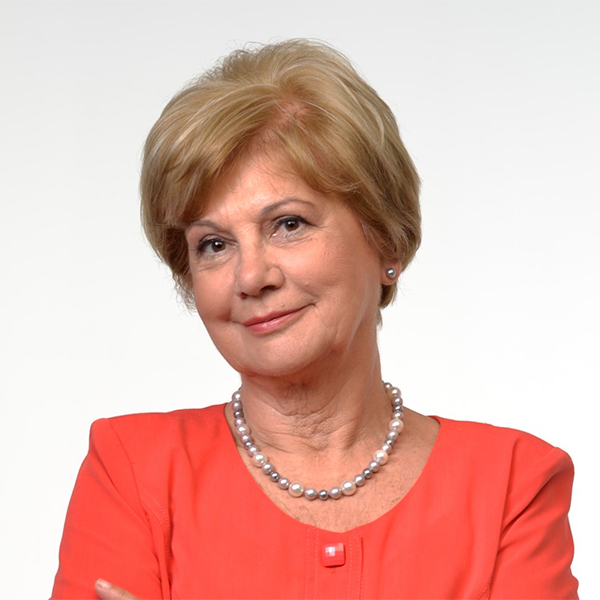
Adam and Eva Kondorosi received this award for their outstanding research on Rhizobium-legume symbiosis and a recent breakthrough discovery on plant-governed differentiation of bacteria. Adam Kondorosi (1946-2011) was a member of the Hungarian Academy of Sciences, Academia Europaea and EMBO and the founder and director of the Institut des Sciences Végétales CNRS in Gif sur Yvette, France. He served on the MPMI Editorial Board and was President Elect of the IS-MPMI board. Eva Kondorosi is a foreign associate of the U.S. National Academy of Sciences and member of the Hungarian Academy of Sciences, Academia Europaea and EMBO. She is scientific director at the Institut des Sciences du Végétal CNRS in Gif sur Yvette, France. She has been the founder and director since 2007 the BAYGEN Institute in Szeged, Hungary which now belongs to the Biological Research Centre of the Hungarian Academy of Sciences.
Adam was a real geneticist while Eva is more a developmental biologist who contributed significantly to cell cycle research and to understanding the differentiation of plant cells and bacteria. The recent discovery of symbiotic antimicrobial plant peptides which are related to innate immunity effectors, and are able to manipulate the endosymbiotic bacteria for the plant’s benefit, has changed drastically our view of symbiosis. The action of such peptides supports the assumption that a common mechanism exists between different hosts (plant/insect) and bacteria in symbiosis. It also suggests that novel modes of antimicrobial actions could lead to development of potent new antibiotics.
2007: Jeff Dangl
 Jeff Dangl is a plant-genome scientist and the John N. Couch Professor in the Department of Biology at the University of North Carolina (UNC), Chapel Hill, was the 2009 recipient of the IS-MPMI Award. The award, only the second to be given, honors outstanding innovative research. Dangl joined UNC in 1995, after receiving a B.S. degree in biology, a B.A. degree in modern literature (1981), and M.S. and Ph.D. degrees (1986) from Stanford University. He is an elected member of the U.S. National Academy of Sciences, a fellow in the American Association for the Advancement of Science, and associate director of the Carolina Center for Genome Science. He served on the MPMI Editorial Board for 11 years. This self-proclaimed “hard-core geneticist” focuses on host-pathogen interactions, mainly looking at how plants recognize and fend off pathogens; overall, how to make plants more disease resistant.
His lab mostly uses Arabidopsis thaliana (thale cress)—the first plant genome to be sequenced—to study disease resistance. The lab’s research centers on 1) understanding the structure and function of plant NB-LRR disease resistance proteins, especially RPM1; 2) the molecular control of hypersensitive programmed cell death that accompanies disease resistance responses; and 3) understanding the molecular mechanism by which pathogenic bacteria cause disease in plants using diverse suites of type III effector proteins.
Dangl has made significant contributions to the understanding of plant defense from pathogens and the molecular basis of the innate immune response in plants. For these and other important contributions to the field of molecular-plant interactions and following an internal vote process by the IS-MPMI Board of Directors, Dangl was elected as the recipient of the 2009 award.
2005: Thomas Boller
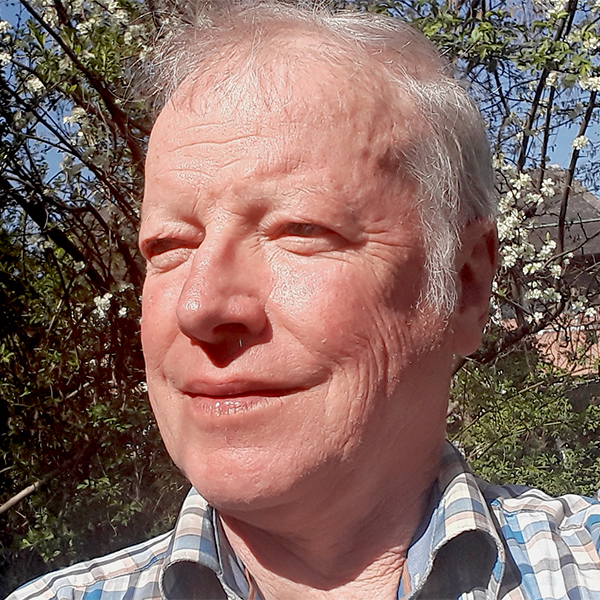 Thomas Boller, University of Basel, is the first-ever recipient of the this award (formerly known as the IS-MPMI Award).
Boller, a native of Switzerland, is well known in the MPMI community. He and his group have produced excellent innovative research during the last decade. His group has discovered many microbial factors that are perceived by plants and mount defense responses.
The real breakthrough came from cloning FLS2 and EFR, the receptors for bacterial flagellin and EF-TU, respectively. This work has stimulated many new research lines in several labs around the world. Terms like MAMPs and PAMPs have been introduced. New functions for pathogen effectors were discovered that could link basal defense responses with effector-induced defense responses mediated by resistance proteins.
Boller’s group has produced many outstanding scientific publications in high-impact journals, such as Science, Nature, and Cell. He is a highly cited author. The impact of his work is tremendous, not only in plant sciences but also in mammalian innate immunity. Toll-like receptor kinases link primary innate immunity in plants and animals.
Boller has been a role model for young scientists. Not only for his scientific contributions but also for his services to science in general. He has served on many national and international research committees and scientific and editorial boards. He has been vice rector of the University of Basel and has been elected a member of Deutschen Akademie der Naturforscher.
The award and cash prize were presented during the XIII International Congress in Sorrento. After receiving the award, Boller gave a presentation on his work entitled “PAMPering elicitors; how flags and elfs learned to fly.”
2025: Professor Sebastian Eves-van den Akker
 Sebastian Eves-van den Akker received his B. Sc. in Biology (2007-2010) from the University of Leeds, and his Ph. D. in Plant-Pathology (2010-2014) from the University of Leeds (with Prof. Peter Urwin) and the James Hutton Institute (with Prof John Jones). In late 2014, Sebastian was awarded an Anniversary Future Leaders Fellowship from the Biotechnology and Biological Sciences Research Council and moved to the University of Dundee (with Prof. Paul Birch) and the John Innes Centre (with Prof. Mark Banfield). In 2018, he moved to the University of Cambridge to establish the Plant-Parasite Interactions group in the Department of Plant Sciences, and was made a Fellow of King’s College Cambridge. In 2024 he was made Professor of Biotic Interactions.
From undergraduate to Professor, Sebastian has worked on one problem: plant-parasitic nematodes. Today, the lab tends to look at questions from a genetic perspective, investigating the genes that control the dialogue between the two kingdoms. The sustaining interest has been that the outcome of this communication dictates plant organ development, animal sex determination, and ultimately human food insecurity.
2023: Cara Haney and Xiufang Xin
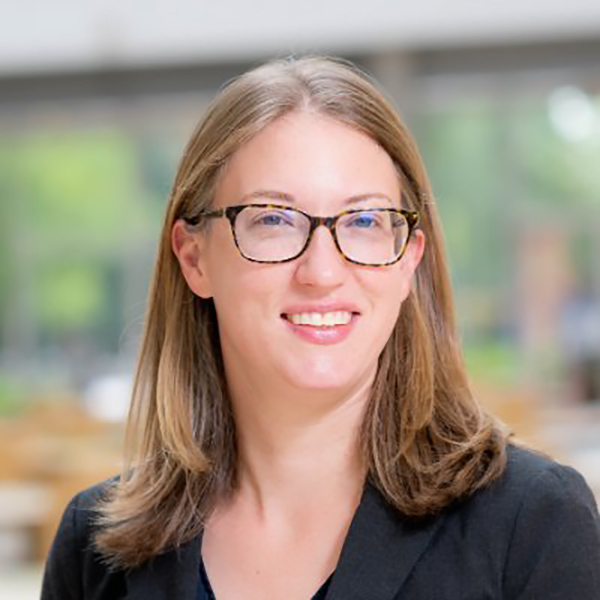 Cara Haney is an Associate Professor and Canada Research Chair in plant-microbiome interactions in the Department of Microbiology & Immunology at the University of British Columbia. Cara has a long history of working in plant-microbe interactions and involvement in the IS-MPMI community; she has been a member of IS-MPMI since 2004 and is currently a senior editor of the MPMI journal. Her first lab experience was as an undergraduate in Dr. William Fry’s lab at Cornell studying late blight infection of potato and tomato. She went on to complete her PhD from Stanford University focused on rhizobia-legume symbiosis with Dr. Sharon Long. Prior to joining the UBC faculty, Cara was a postdoctoral fellow at Harvard Medical School with Dr. Fred Ausubel. Her lab uses Arabidopsis-Pseudomonas fluorescens as a genetically tractable model to identify the genetic basis of beneficial traits in plant-microbiome interactions. Her research focuses on elucidating basic mechanisms in host-microbiome interactions, and in finding sustainable solutions for agronomically important challenges.
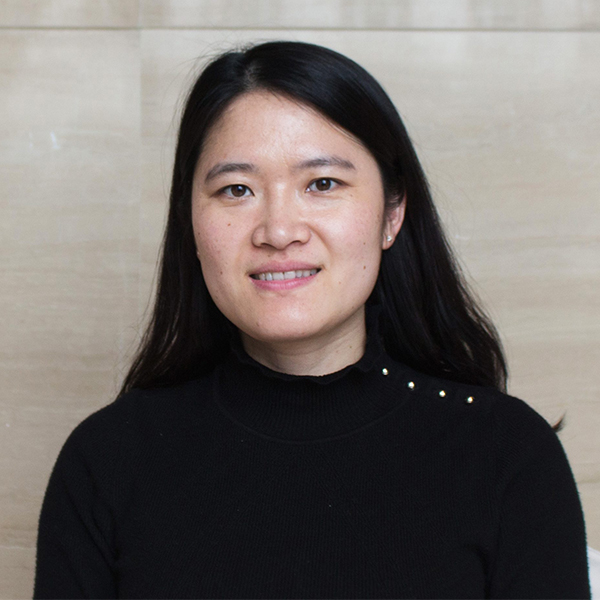 Xiufang Xin got her bachelor’s degree in biology at China Agricultural University in 2008. She then went to Michigan State University in USA for Ph.D. study and joined Dr. Sheng Yang He’s lab. After getting her doctoral degree in 2014, she stayed at Michigan State University for postdoc training and her research during that period led to the discovery that Pseudomonas syringae pathogen takes advantage of high air humidity and type III effectors to generate a water-rich living environment in the infected leaf tissue to promote infection (Xin et al., Nature 2016). Xiufang went back to China and joined Chinese Academy of Sciences (CAS), Institute of Plant Physiology and Ecology, Shanghai, to start her own group in 2017. She is also affiliated to the joint program of CAS-John Innes Centre, Centre of Excellence for Plant and Microbial Sciences (CEPAMS). Her lab is interested in understanding the triangular interactions between plant, pathogen and environment, including molecular interplay between plant immunity and pathogen virulence, as well as air humidity influence on plant-microbe interactions in the phyllosphere.
2019: Katharina Markmann
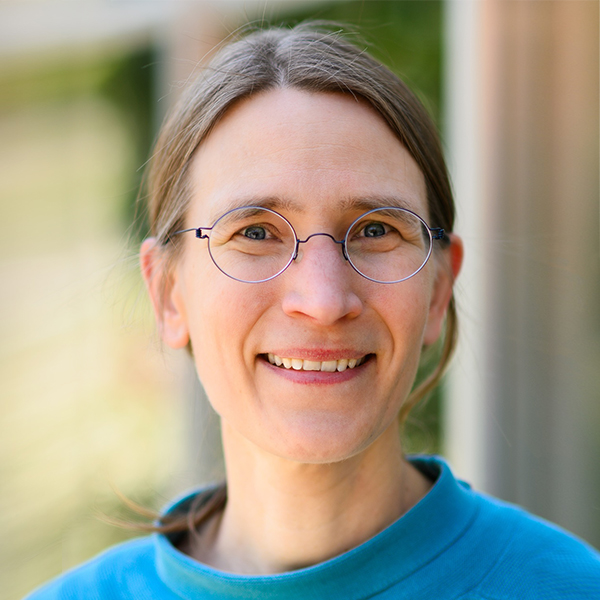
Katharina Markmann was awarded the young investigator award for outstanding research on the role of small RNAs in systemic regulation of symbiosis. She is Chair of Plant Ecophysiology and a Professor at the Julius-von-Sachs Institute for Biosciences at the Julius-Maximillians Universität Würzburg where she continues to study the impact of microRNAs in symbiosis and development and the genetic control of nitrogen foraging, among other topics.